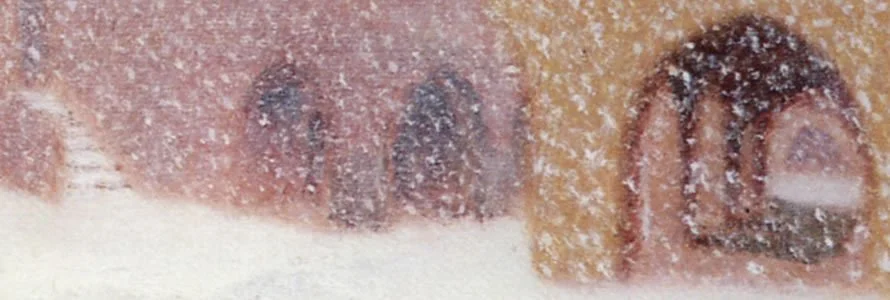
La pittura rappresentò sempre l'interesse primario che si sviluppò nel corso degli anni sino a diventare prevalente negli ultimi tempi. Oggetto della sua pittura non furono gli interni né le nature morte o i personaggi umani , ma fu prevalentemente la montagna in tutti i suoi aspetti, dai villaggi alle alte vette. Senza paragoni appare il suo modo di trattare la neve, durante e dopo le nevicate o splendente e luccicante sotto il sole o la luna.
La produzione pittorica non è stata ampia come quella di altri pittori valdostani ma è stata forse più varia .
L 'attività di scultura è del tutto particolare in quanto non è limitata a rappresentare figure umane ma si estende allo spazio, all'ambiente, al territorio. Infatti a pieno titolo può essere denominata scultura l'attività di modellazione dei plastici realizzati in varie scale che illustrano, concentrate nelle modeste dimensioni, l'ampio scenario naturale.
Painting was always his primary interest, developing over the years until it became predominant in his later years. His subjects were not interiors, still lifes, or human figures, but rather mountains in all their aspects, from villages to high peaks. His treatment of snow, during and after snowfalls, or shining and shimmering under the sun or moon, appears unparalleled.
His pictorial production was not as extensive as that of other Aosta Valley painters but was perhaps more varied.
The art of sculpture is unique in that it is not limited to representing human figures but extends to space, the environment, and the landscape. Indeed, the art of modeling models of various scales that illustrate, concentrated in modest dimensions, the vast natural landscape can rightfully be called sculpture.
I disegni e gli acquerelli Drawings and watercolors
L'esecuzione dei disegni e degli acquerelli costituisce il primo passo verso una visione poetica della montagna. I primi, realizzati ad inchiostro di china, rappresentano con durezza le guglie rocciose mentre i secondi ammorbidiscono con l'uso del colore la severità della montagna. Tutti sono stati realizzati intorno al 1926, all'inizio della permanenza a Courmayeur.
Più diffusamente rappresentate sono le guglie tipiche della catena del Monte Bianco quali les Dames Anglaises, il Dente del Gigante, il Grand Flambeau, l'Aiguille Noire, la Tour Ronde.
The execution of drawings and watercolors constituted the first step towards a poetic vision of the mountains. The former, made in India ink, harshly depict the rocky spires, while the latter soften the mountain's severity through the use of color. All were created around 1926, at the beginning of his stay in Courmayeur.
The most widely represented are the typical peaks of the Mont Blanc chain such as the Dames Anglaises, the Dent du Géant, the Grand Flambeau, the Aiguille Noire, the Tour Ronde.
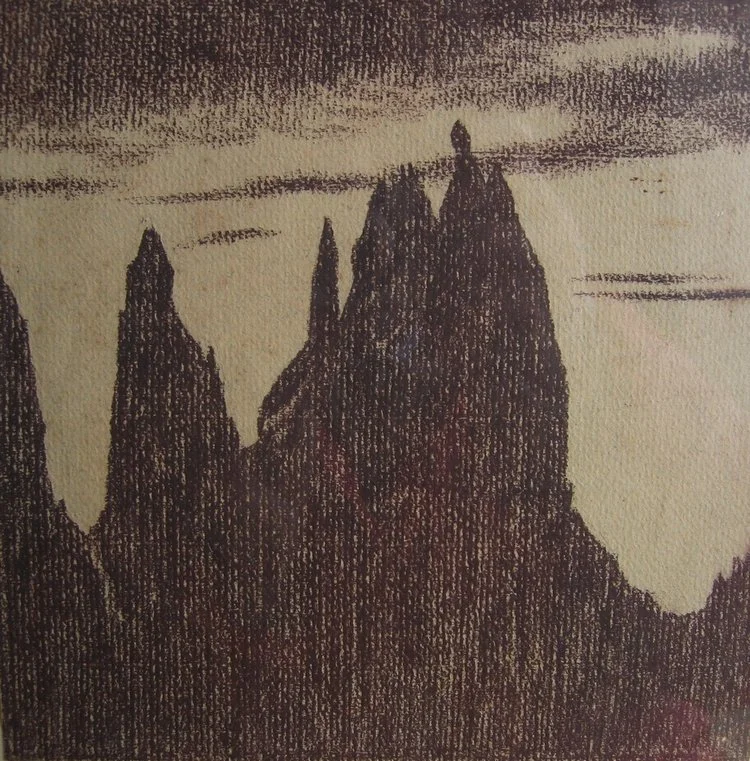
Dames Anglaises - 1926
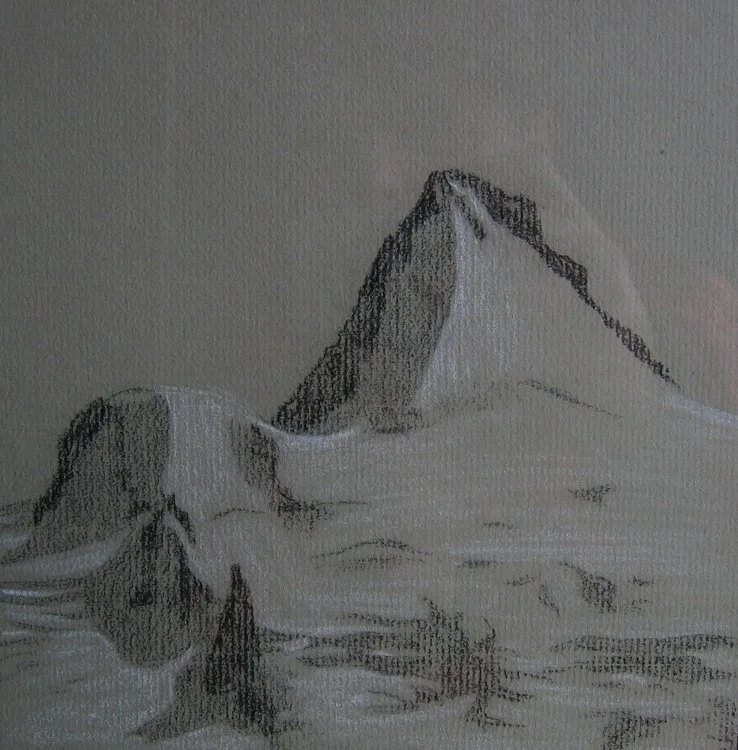
Grand Flambeau - 1926
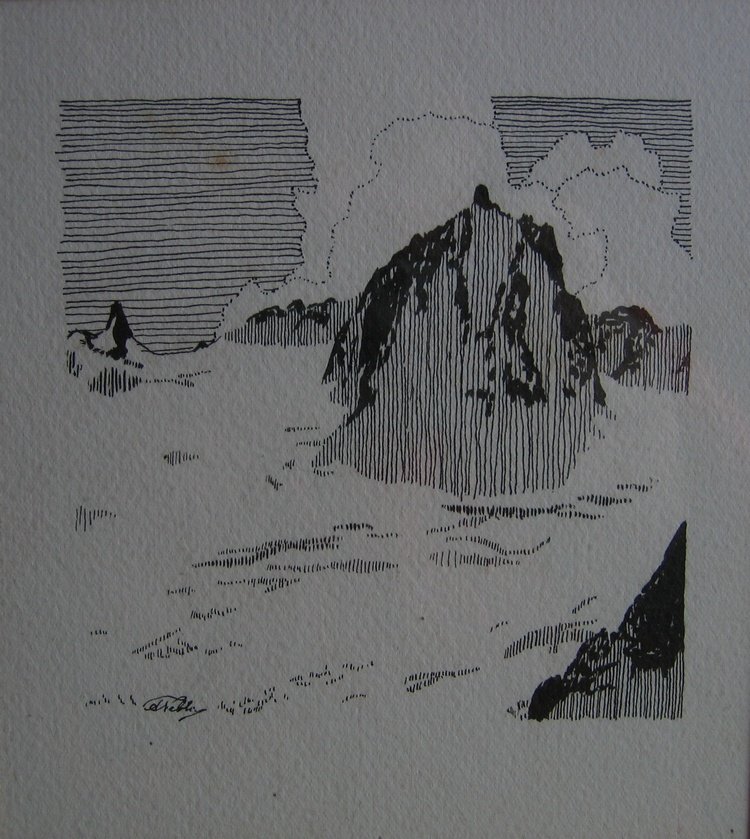
Tour Ronde - 1925
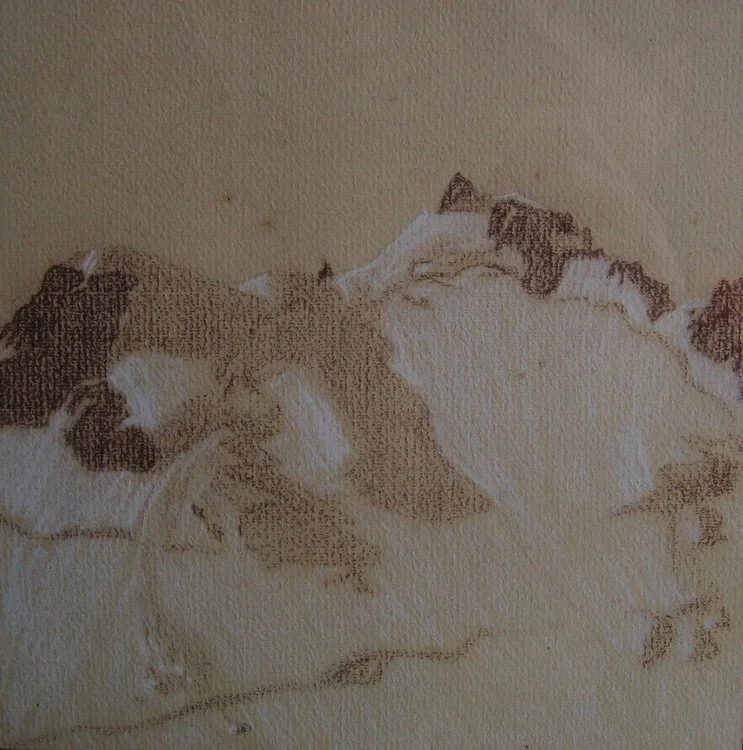
Mont Maudit - 1926
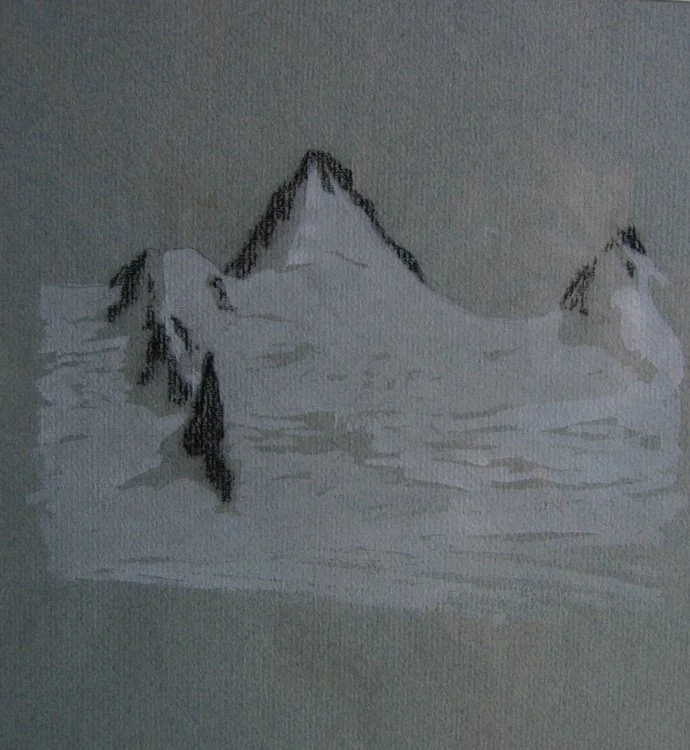
Grand Flambeau - 1926
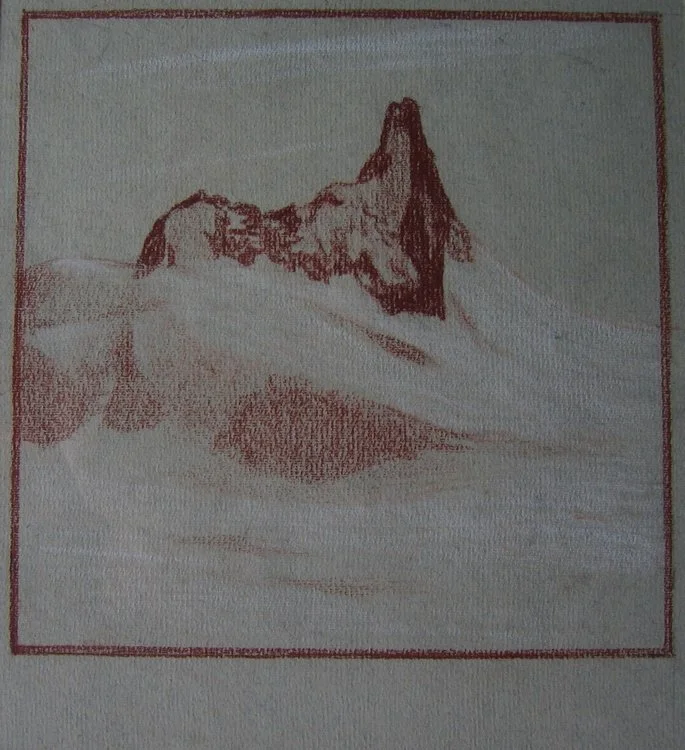
Dente del Gigante - 1926
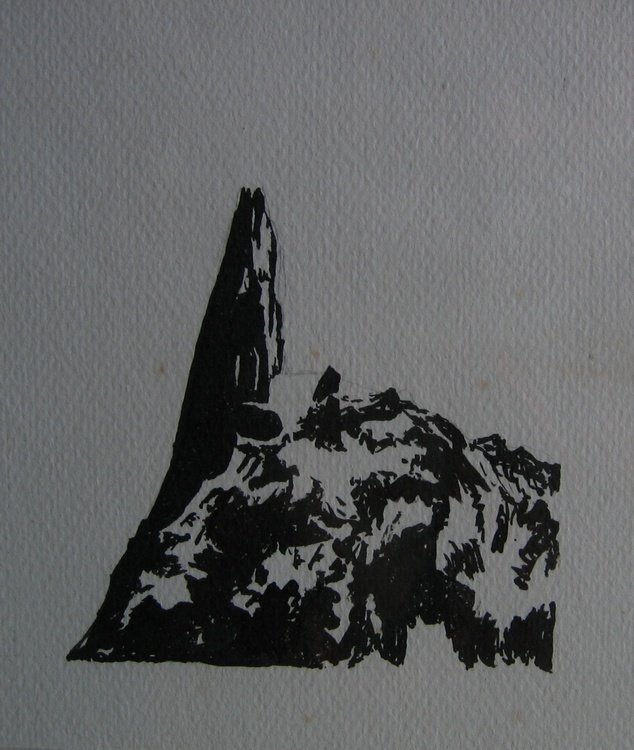
Dente del Gigante - 1926
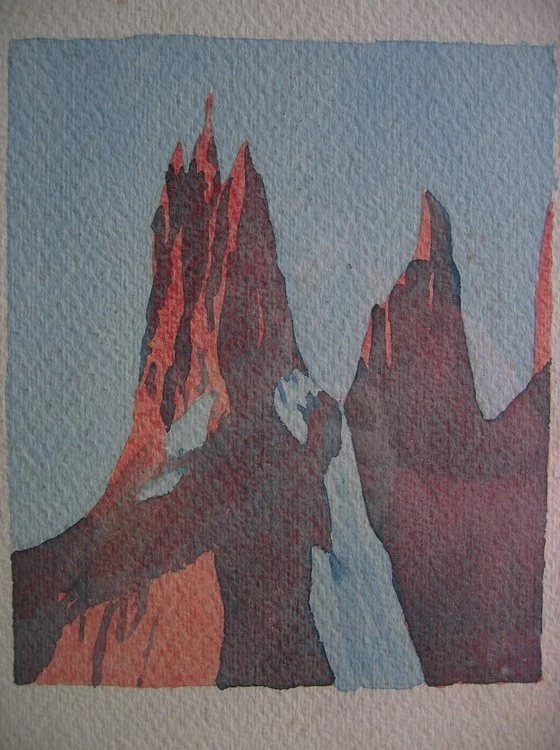
Dames Anglaises - 1926
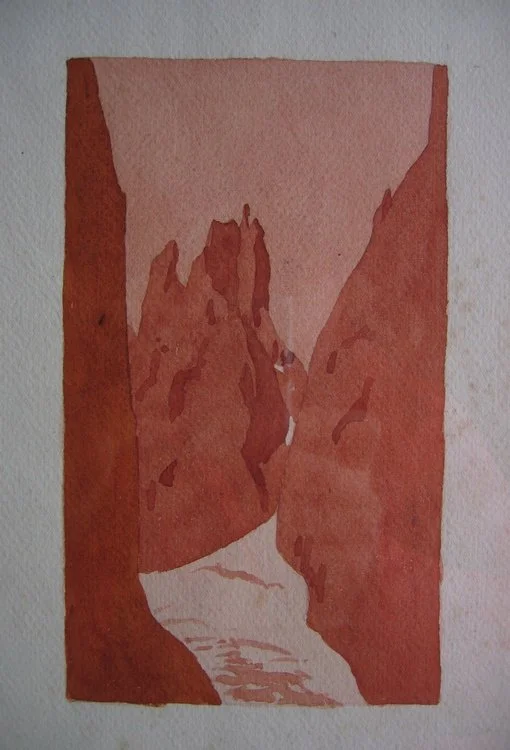
Dames Anglaises - 1926
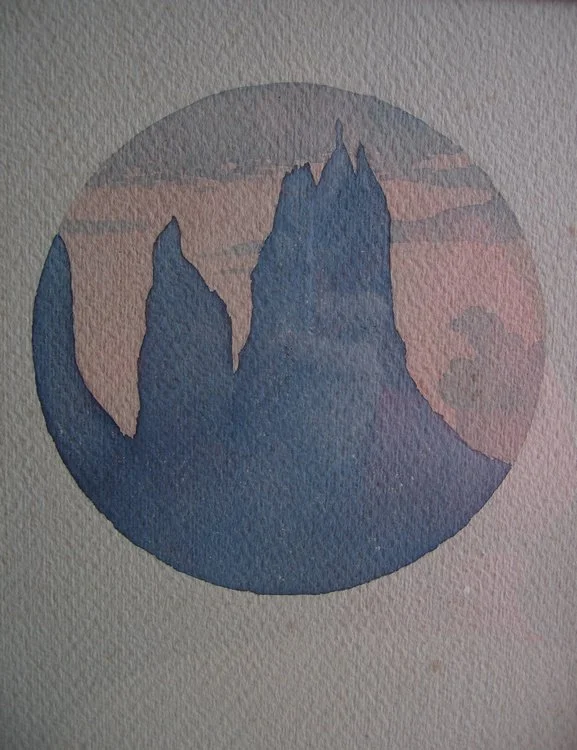
Dames Anglaises - 1926
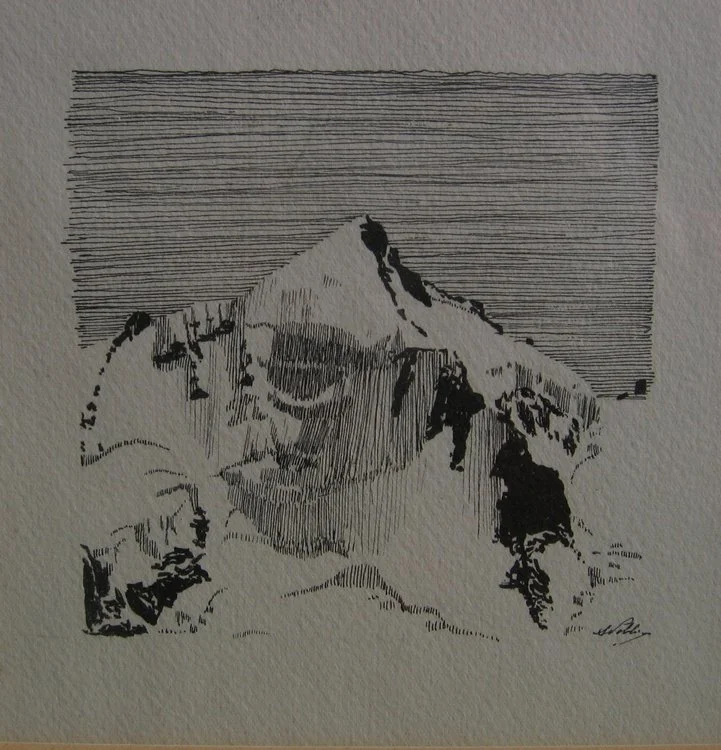
Grand Flambeau - 1926
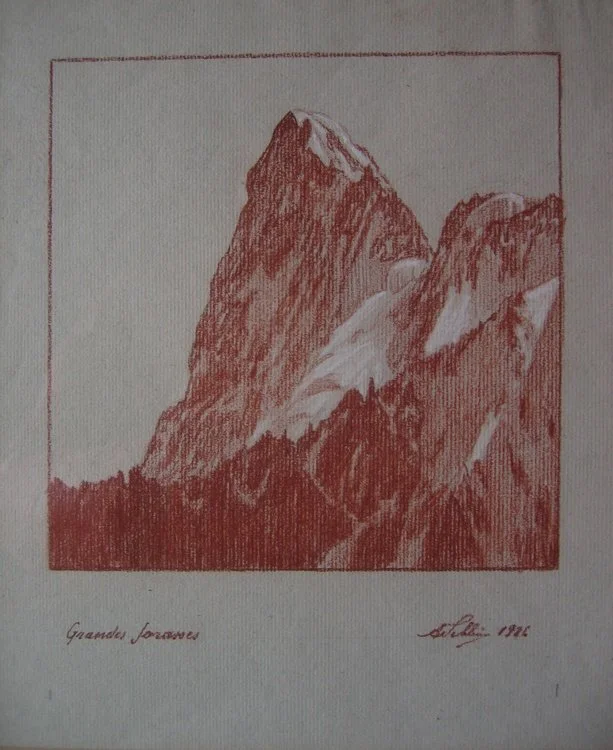
Grandes Jorasses - 1926
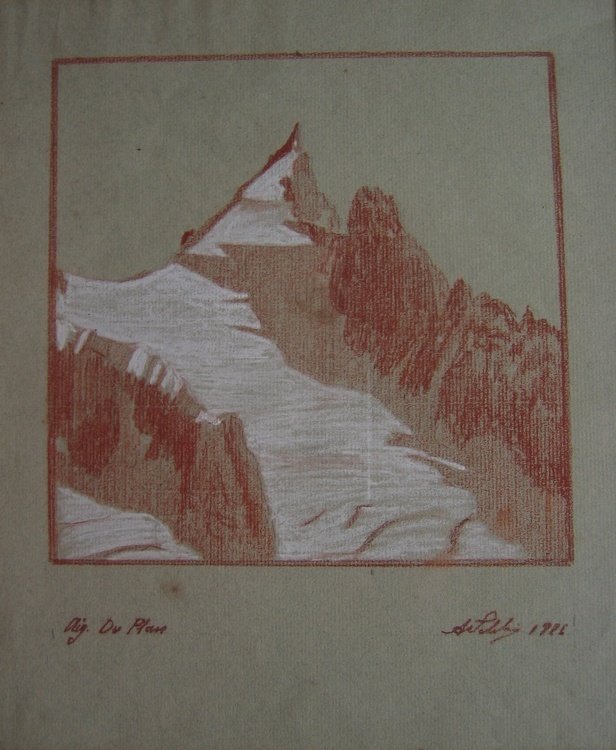
Aiguille du Plan - 1926
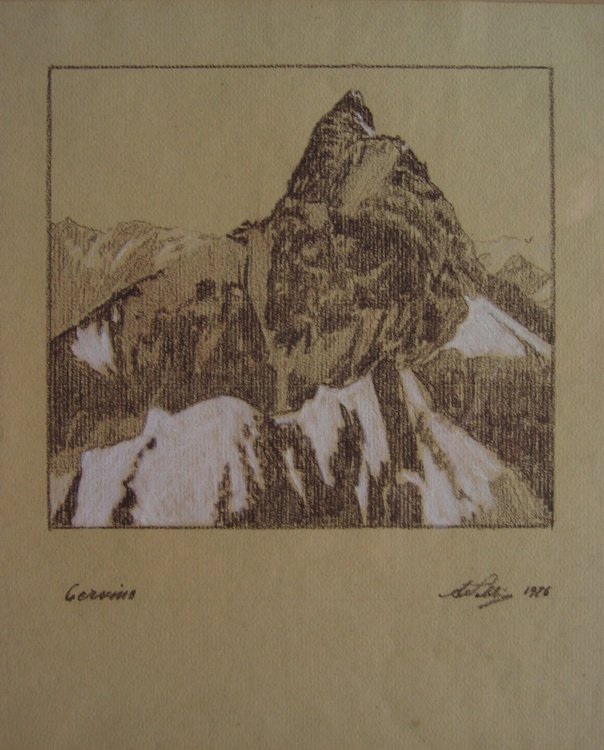
Cervino - 1926
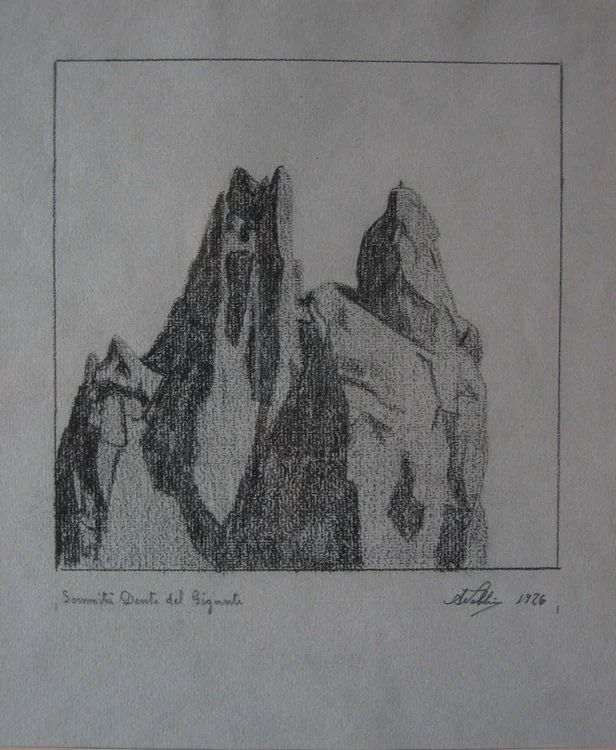
Sommità Dente del Gigante - 1926
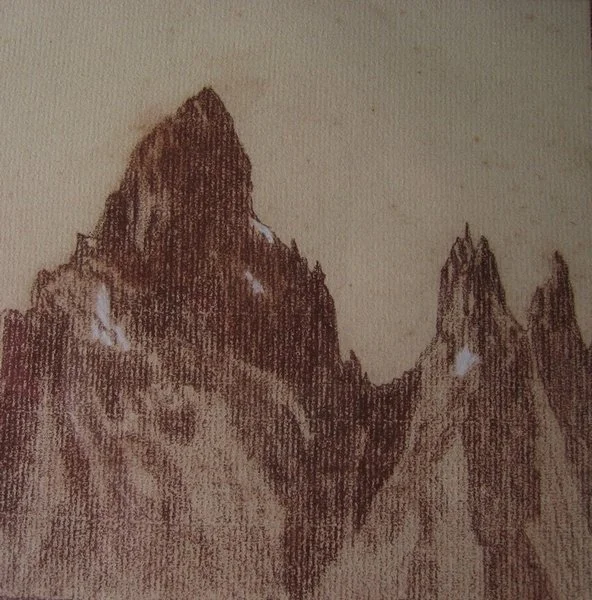
Aiguille Noire
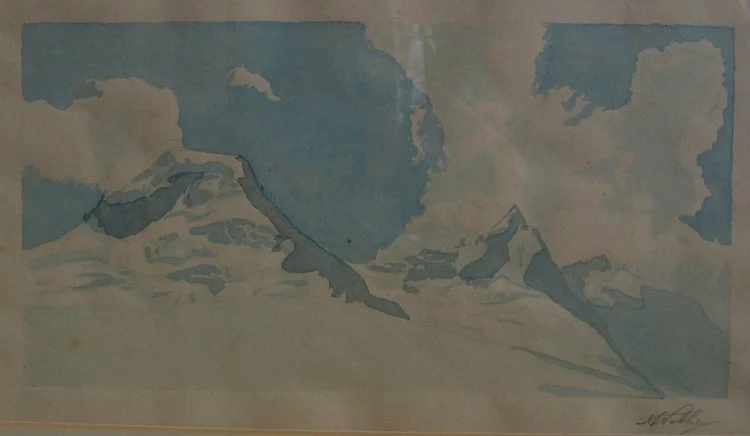
Mont Maudit - 1926
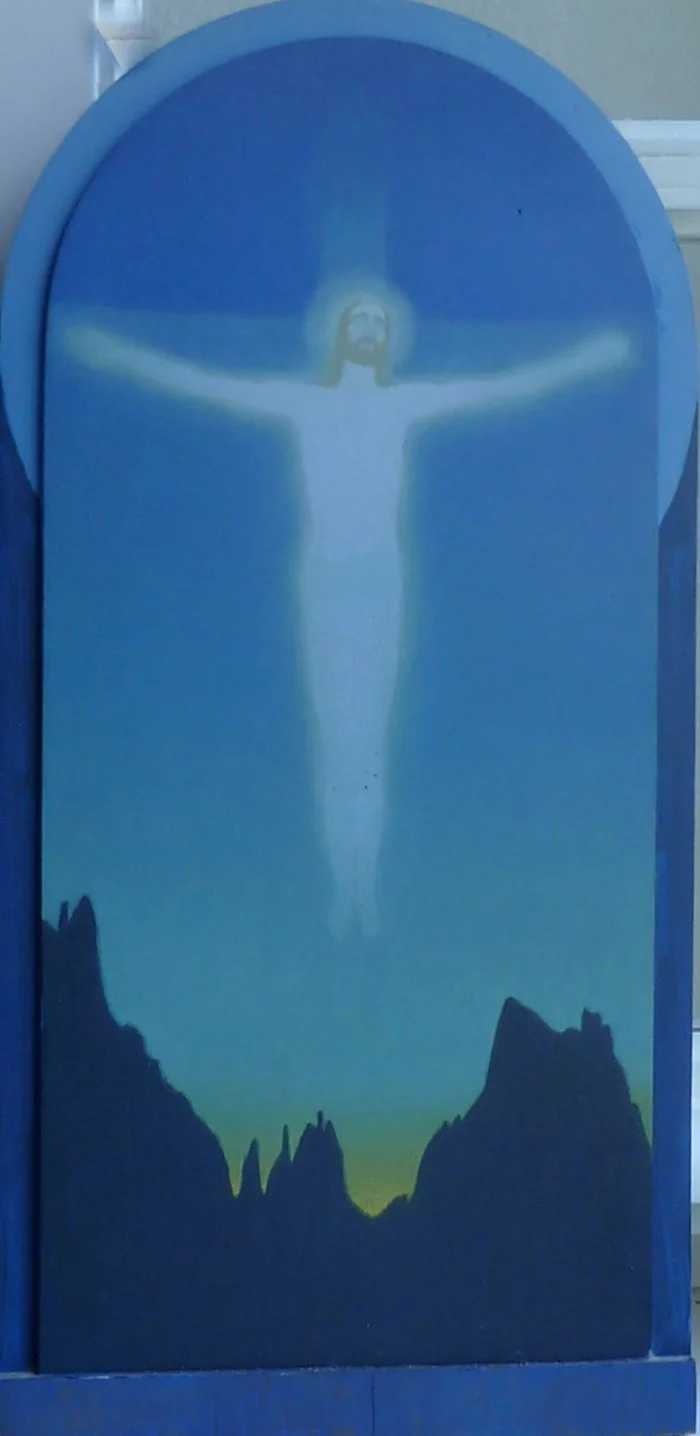
Visione, olio su legno, 45x22 cm
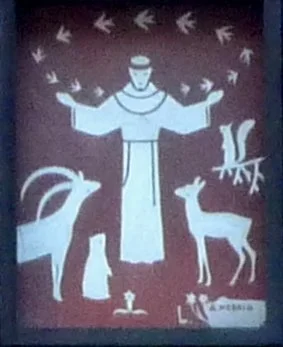
San Francesco, graffito, primi anni '50
Copertina di raccolta fotografica
Pittura Painting
L'associazione alla Giovane Montagna comportava l'adesione ad un programma non solo di ascensioni o escursioni, ma anche di approccio culturale agli aspetti ed ai problemi della montagna. In questo quadro erano state avviate iniziative artistiche quali la pubblicazione di articoli sulla pittura di Giovanni Segantini e, nel 1925, sui "pittori di neve" Cesare Maggi, Felice Vellan, Giuseppe Bozzalla, Giulio Boetto ed ancora, nel 1927, l'organizzazione della Mostra d'Arte Alpina. In questo ambiente era normale sviluppare l'interesse per le fotografie e per la pittura di montagna, come accadde nel caso di Alessio Nebbia.
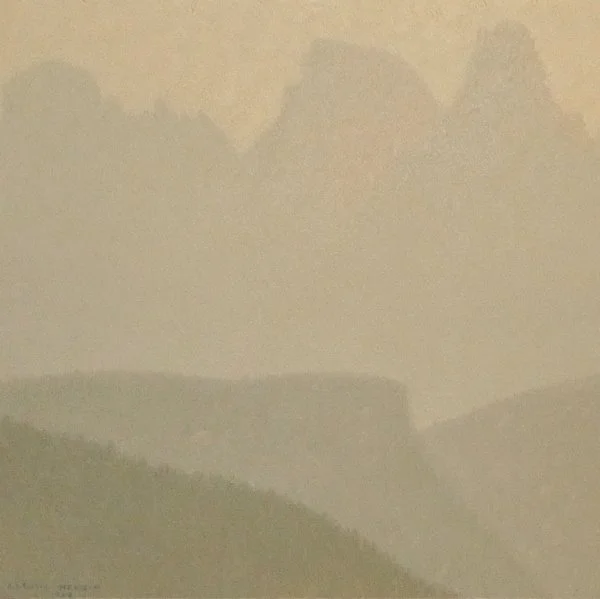
La pittura è stata, per Alessio Nebbia, il raggiungimento di un'aspirazione, quella di trasfigurare la durezza dei paesaggi in immagini diafane e sognate. Il punto di partenza quasi sempre è costituito da una peculiarità del paesaggio: l'alba, il tramonto, "il meriggio", l'autunno, la neve che cade, il controluce, la luce fredda della luna, il cielo a pecorelle, il cielo stellato, ecc... L'ispirazione sorge da una qualità specifica del paesaggio, come interpretata da un pittore che risulta ovvio chiamare "paesaggista". La pittura di Alessio Nebbia ha subìto nel tempo una forte evoluzione: una rappresentazione fredda e precisa, quasi fotografica, si è trasformata in una sintesi di forme e colori che esprimono la sostanza dell'immagine come da lui interpretata.
Nei dipinti un significato particolare assumono le abitazioni, in primo piano o poste in lontananza, isolate o riunite in villaggio, che testimoniano la presenza e la vita umane e attribuiscono dimensionalità al paesaggio, altrimenti indefinibile.
Membership in Giovane Montagna entailed participation in a program not only of ascents and excursions, but also of a cultural approach to the aspects and problems of the mountains. Within this framework, artistic initiatives were launched, such as the publication of articles on the paintings of Giovanni Segantini and, in 1925, on the "snow painters" Cesare Maggi, Felice Vellan, Giuseppe Bozzalla, and Giulio Boetto, and again, in 1927, the organization of the Alpine Art Exhibition. In this environment, it was common to develop an interest in mountain photography and painting, as happened in the case of Alessio Nebbia.
For Alessio Nebbia, painting was the fulfillment of an aspiration: to transfigure the harshness of landscapes into diaphanous, dreamlike images. The starting point is almost always a characteristic of the landscape: dawn, sunset, "noon," autumn, falling snow, backlighting, the cold light of the moon, a sheepshead sky, a starry sky, etc. The inspiration arises from a specific quality of the landscape, as interpreted by a painter who can be easily called a "landscape artist." Alessio Nebbia's painting has undergone a significant evolution over time: a cold and precise, almost photographic representation has transformed into a synthesis of shapes and colors that express the substance of the image as interpreted by him. In his paintings, the houses, in the foreground or in the distance, isolated or grouped together in a village, take on a particular significance. They testify to human presence and life and give dimension to the otherwise indefinable landscape.
Neve e nevicate Snow and snowfall
La rappresentazione della neve, sotto le sue varie forme: in caduta, assestata, controluce, sotto il sole splendente, ecc. è una delle qualità del pittore, che usa tutte le gamme del grigio madreperlaceo, per esprimere una forte partecipazione sentimentale.
The representation of snow, in its various forms: falling, settled, backlit, under the shining sun, etc. is one of the painter's qualities, who uses all the ranges of mother-of-pearl grey to express a strong sentimental participation.
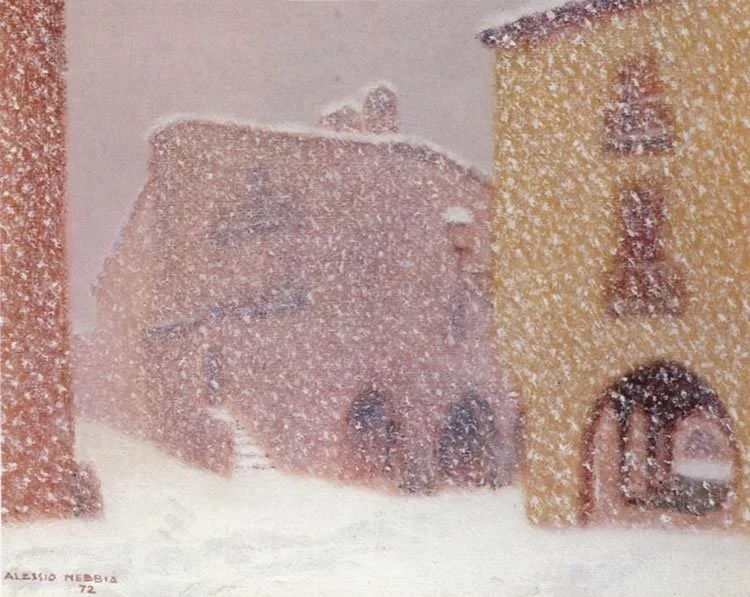
Nevicata a Cuneo - 1972 - 24x36
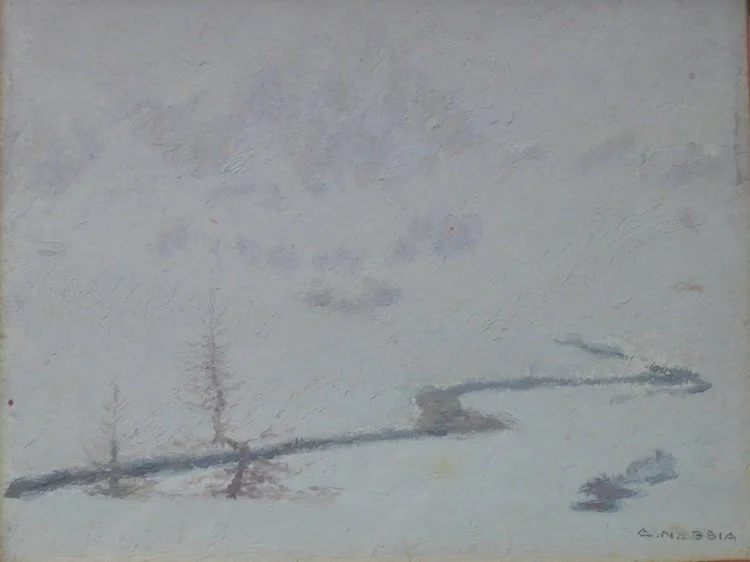
Neve al Breuil -1936 - 12,5x16
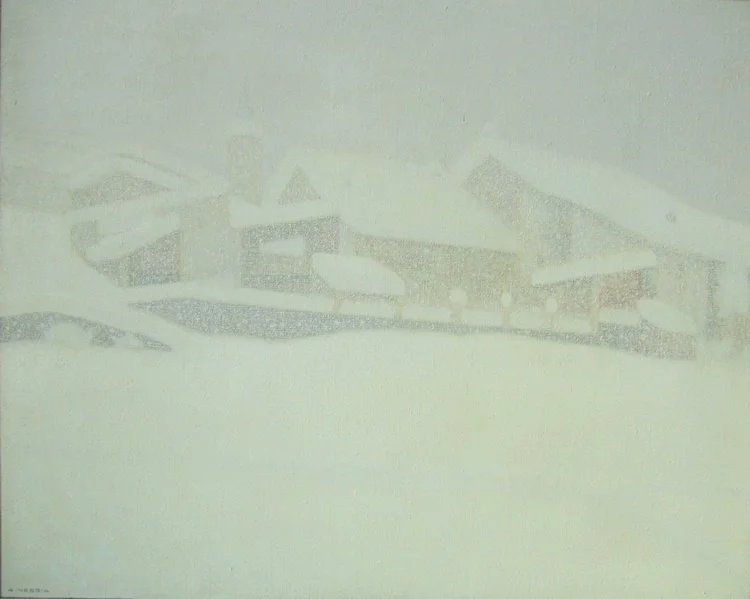
Nevicata a La Saxe - 80x100
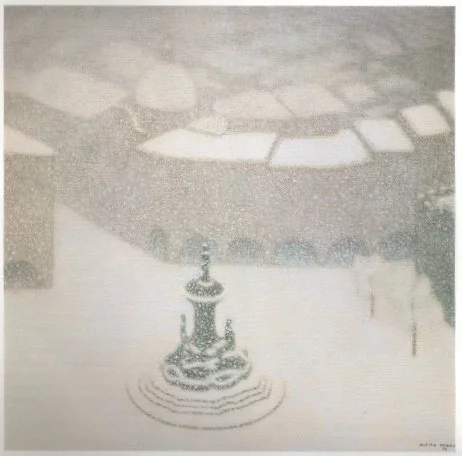
Trento - 1974 - 70x70
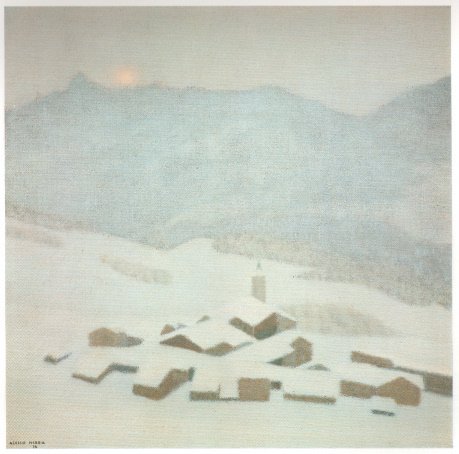
Vens e Mont Emilius - 1974 - 70x70
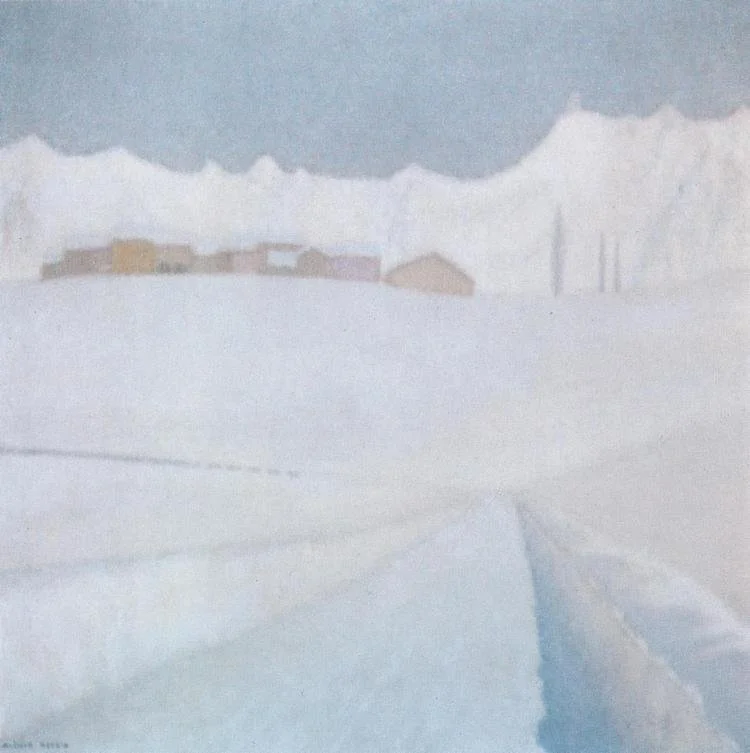
Mattino - 1965 - 80x80
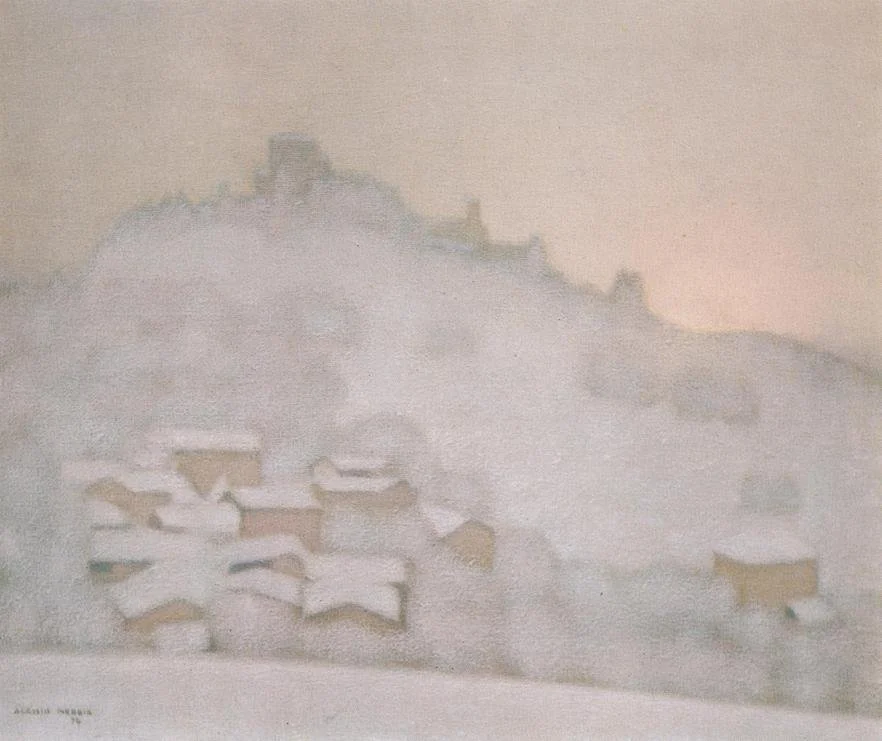
Monte Male - 1974 - 50x60
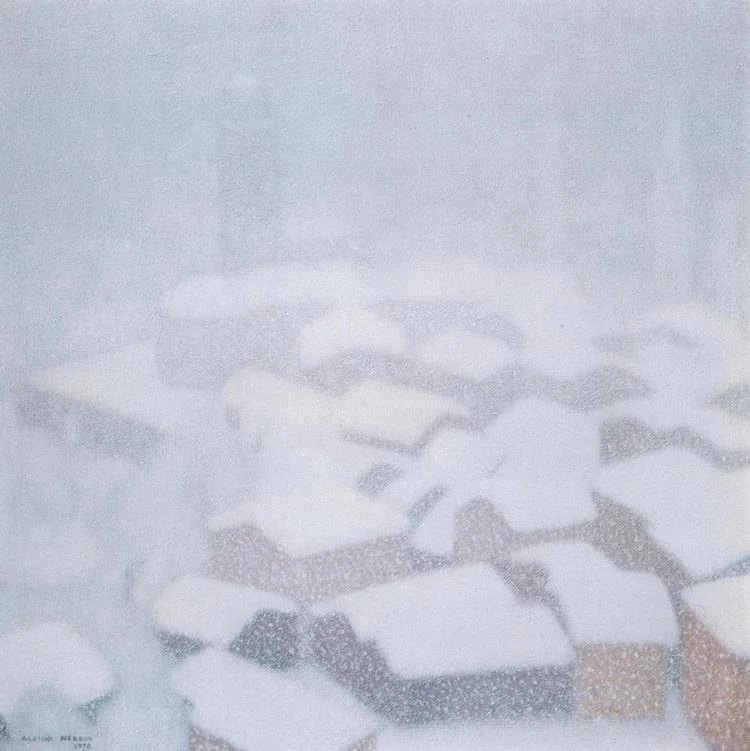
Nevicata a Soglio - 1970 - 70x70
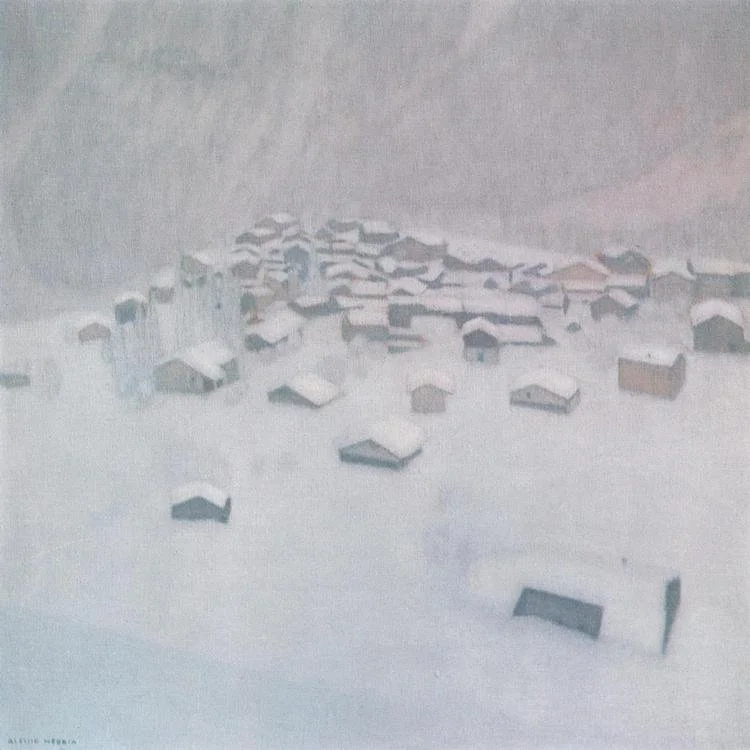
Dopo la nevicata - 1965 - 100x100
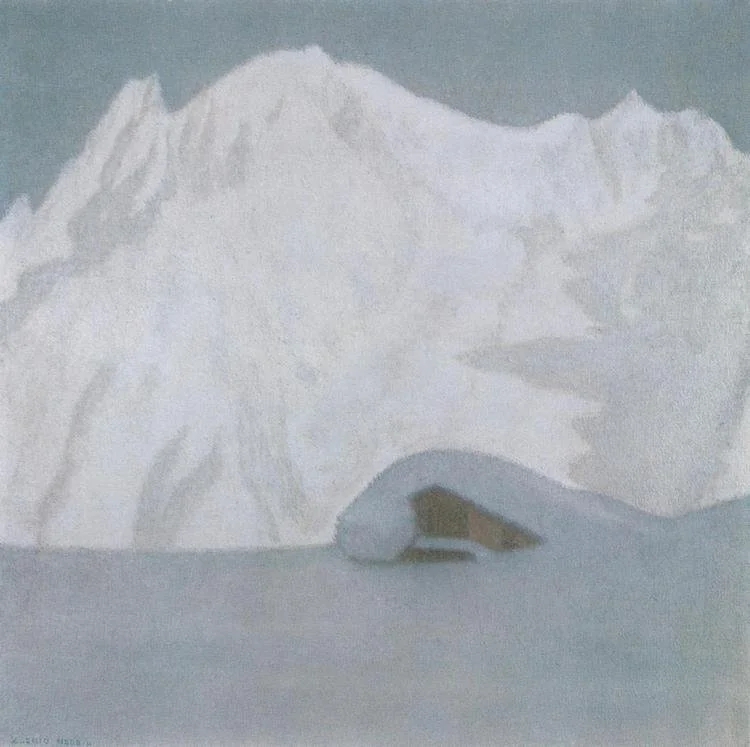
Le Pré e M.Bianco - 1964 - 80x80
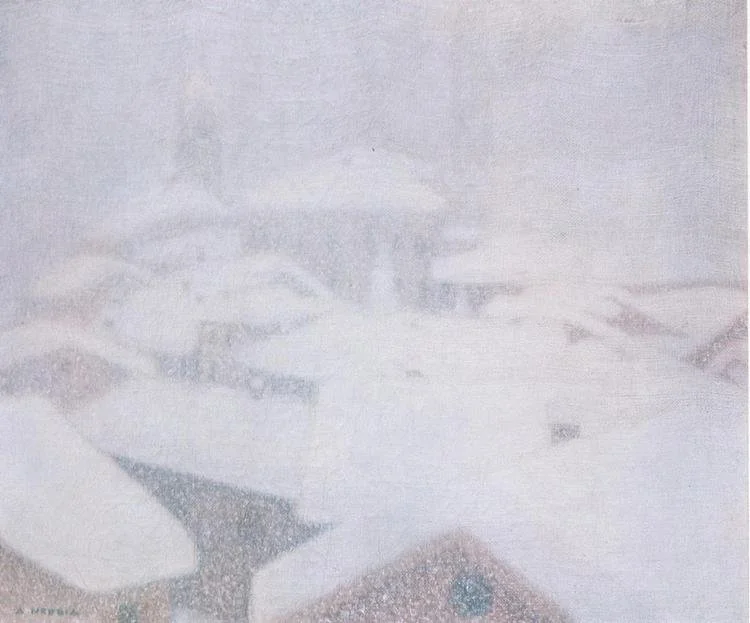
Nevicata a Courmayeur - 1959 - 50x60
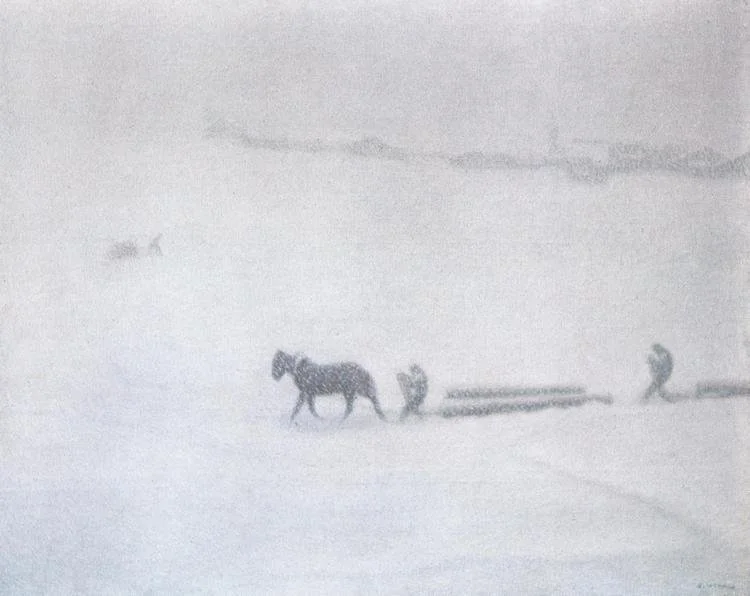
I boscaioli - 1954 - 65x80
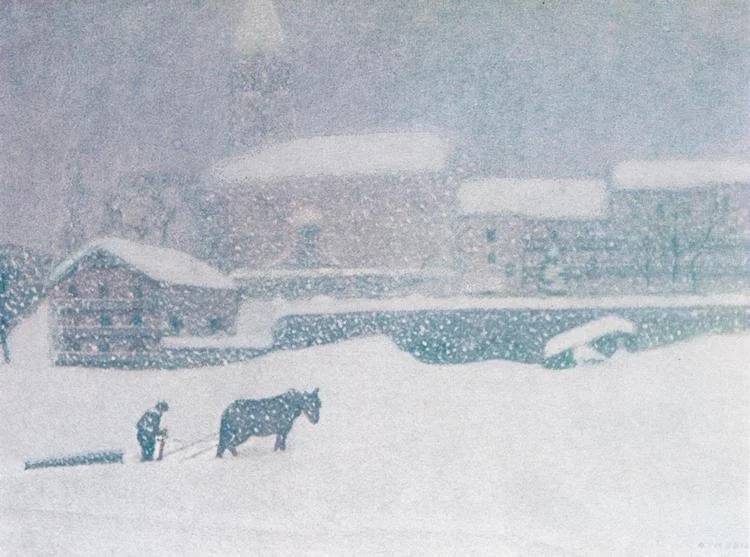
Ritorno sotto la neve - 1939 - 45x60
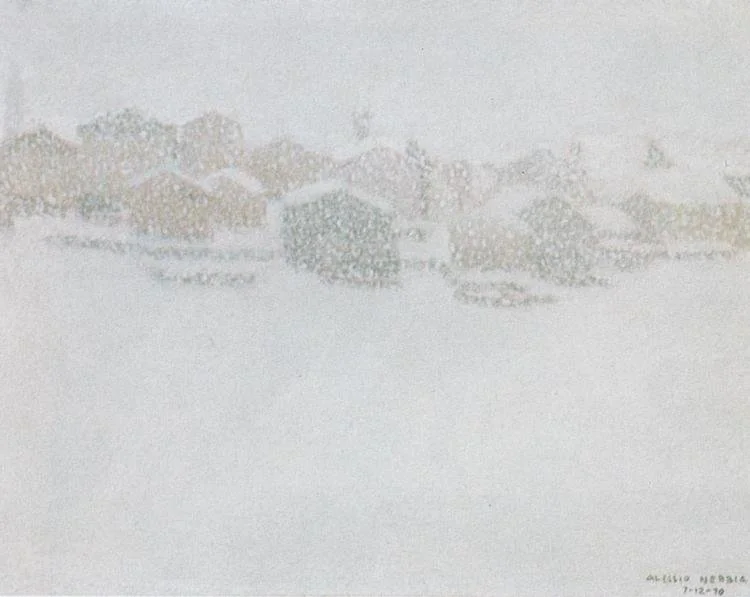
Nevicata a Dolonne - 1970 - 22x28
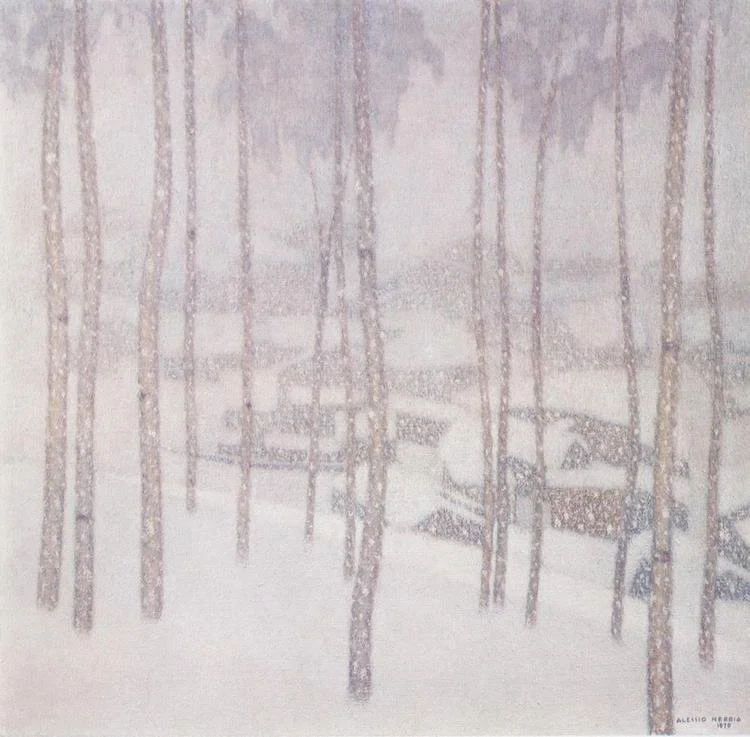
Nevicata a Courmayeur - 1970 - 70x70
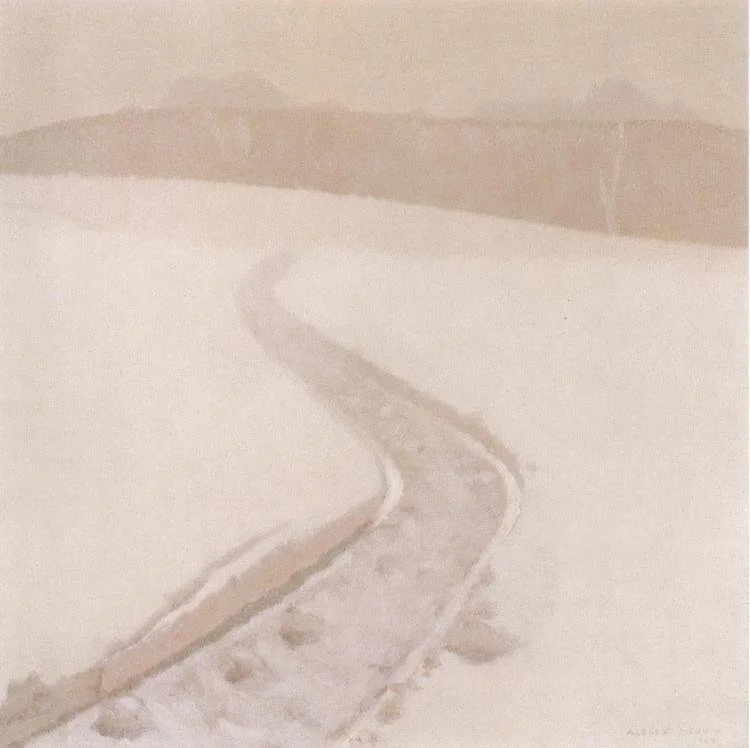
Strada nella neve - 1969 - 40x40
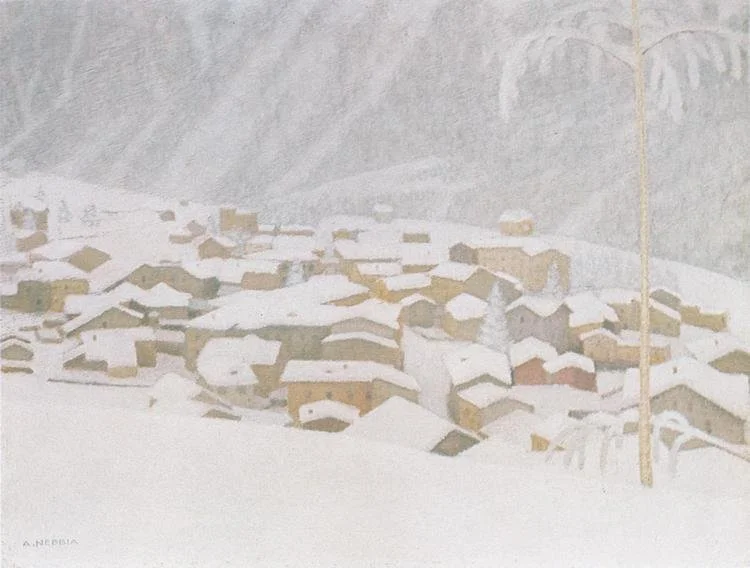
Dopo la nevicata - 1965
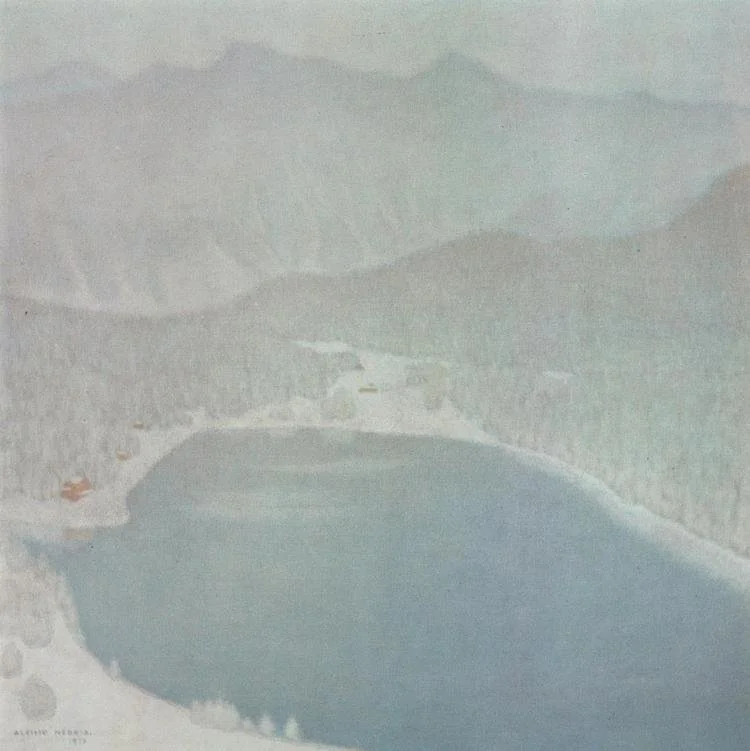
Lago di Skt. Moritz - 1974 - 70x70
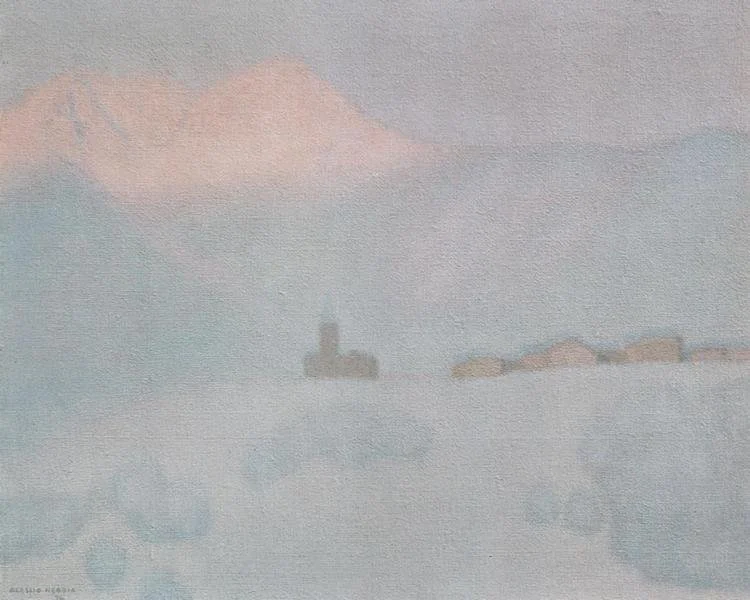
Primo sole ad Elva - 1974 - 50x60
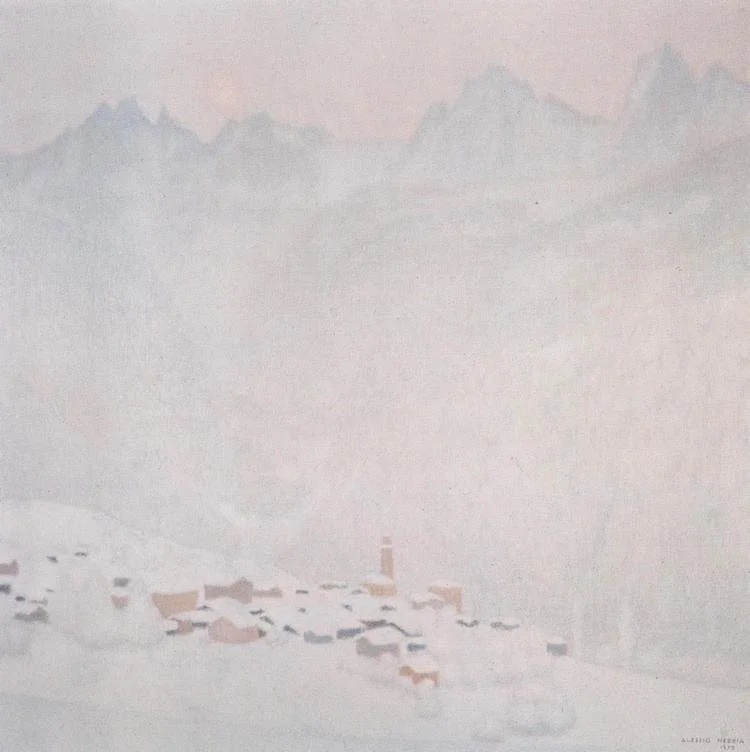
Soglio e Bondasca - 1975 -70x70
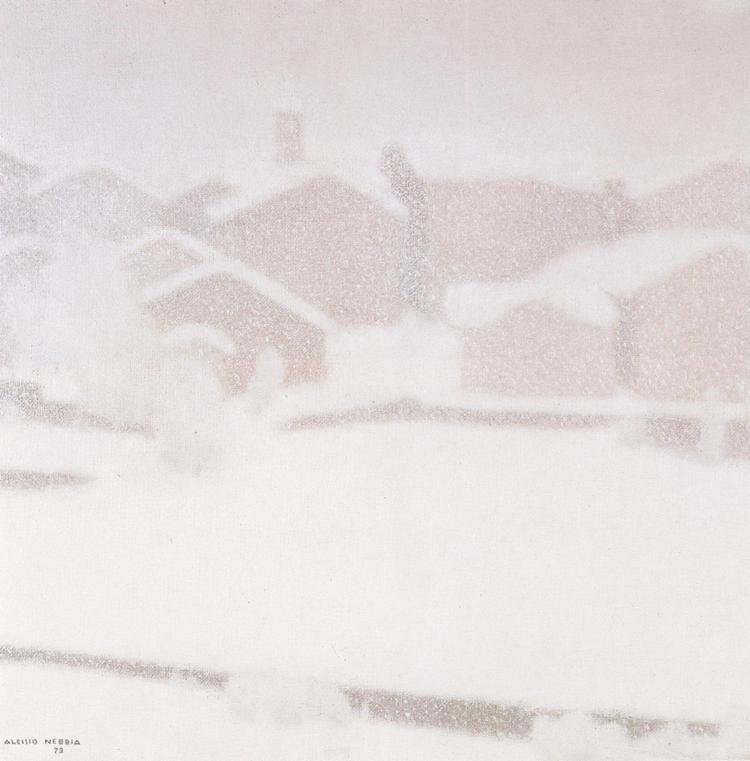
Nevicata a Dolonne - 1973
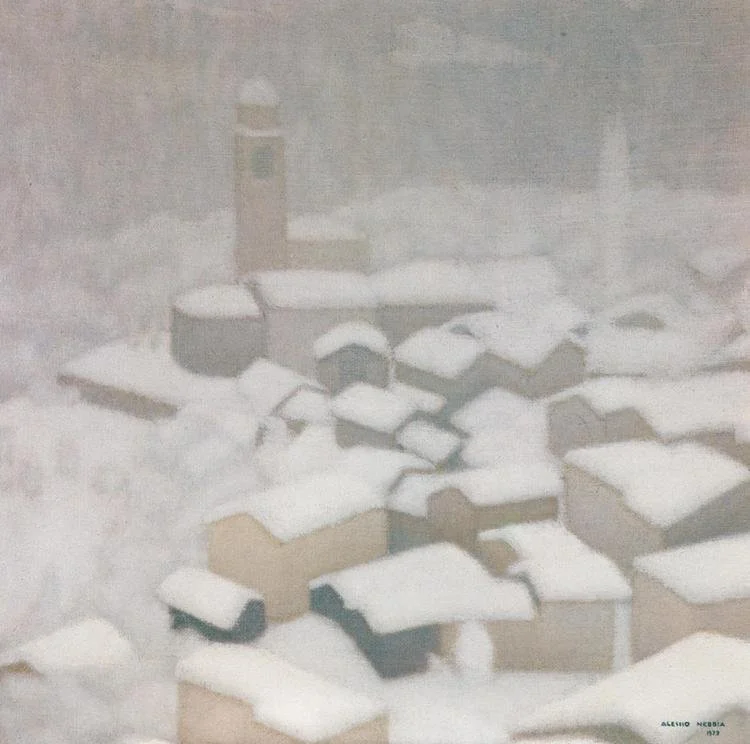
Dopo la nevicata a Soglio - 1973
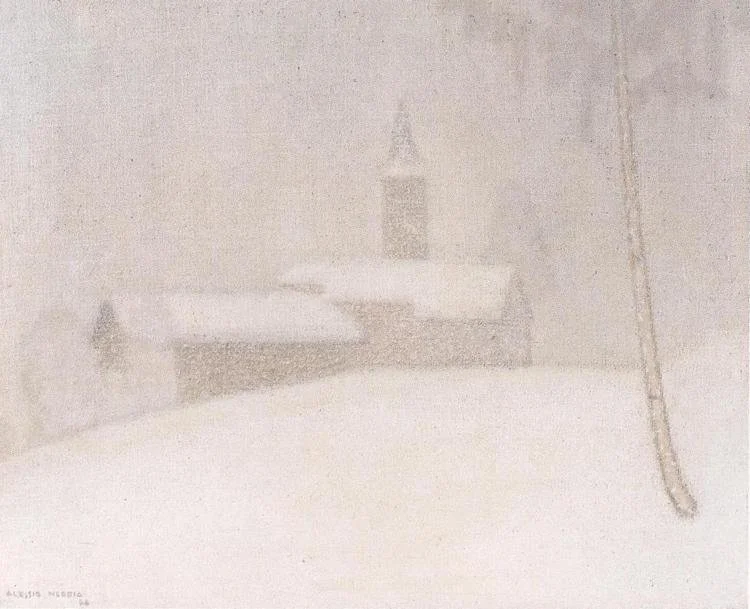
Neve a St. Nicolas - 1966 - 50x60
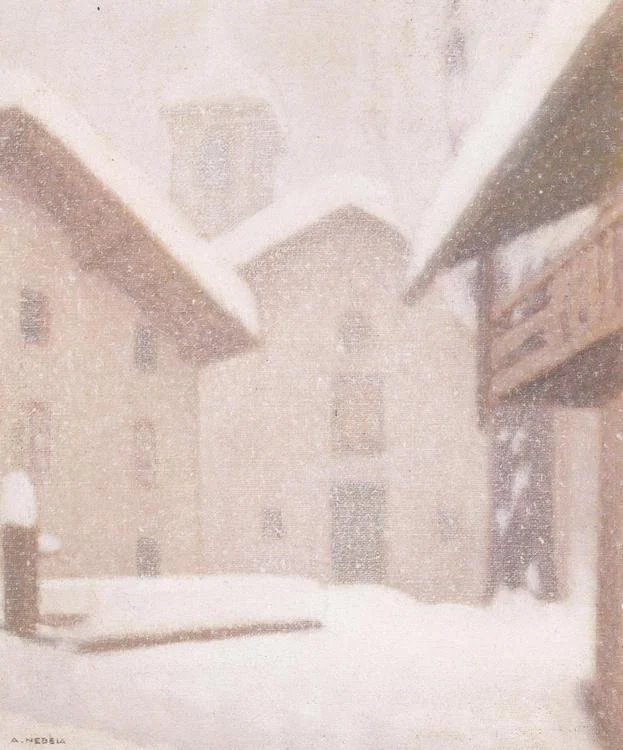
Nevicata a Verrand - 1962 - 60x50
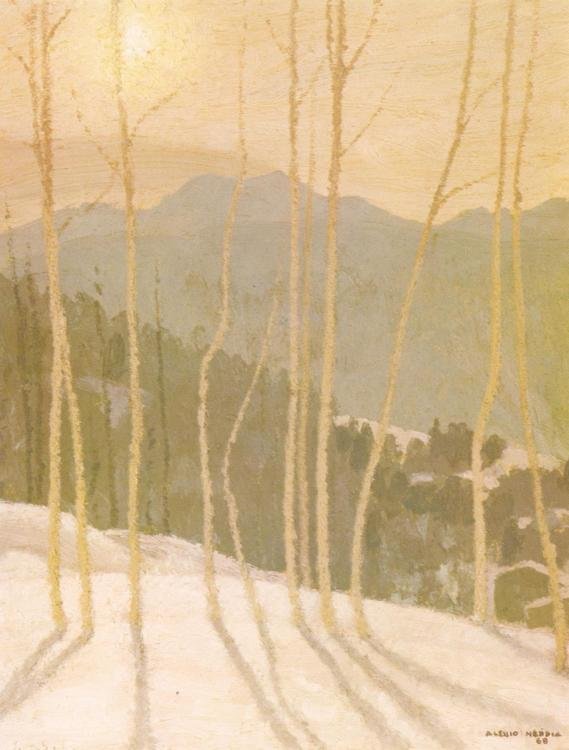
Sole velato - 1968 - 24 x30
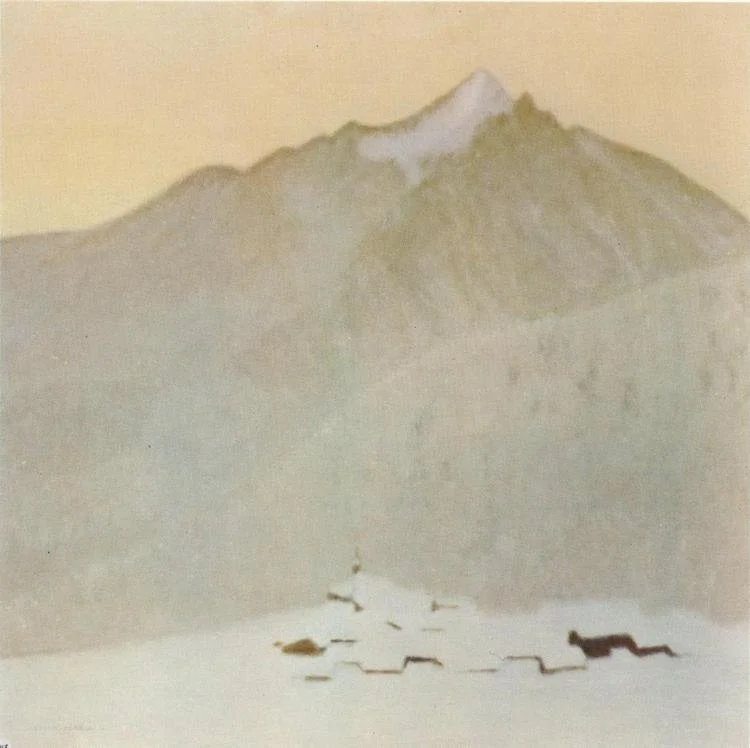
Vens e la Grivola - 1974
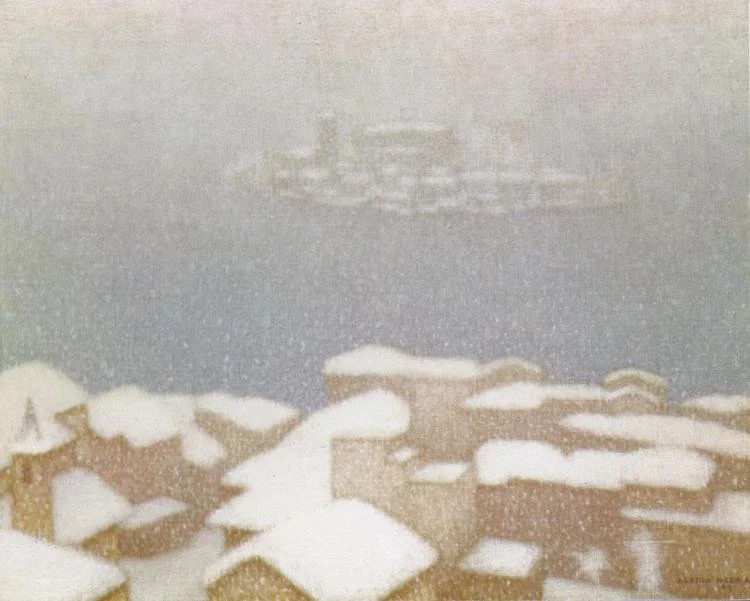
Neve sul lago d'Orta - 1969 - 65 x80
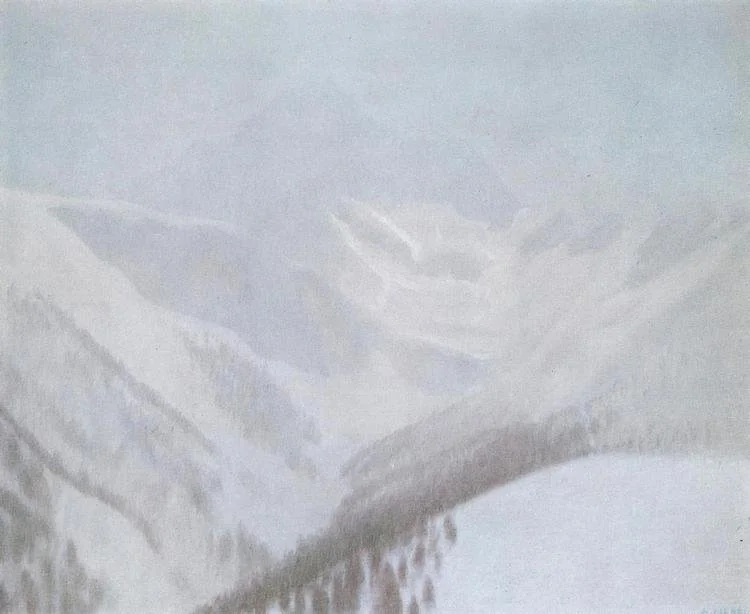
Neve primaverile a Sestrière - 1958 - 50x60
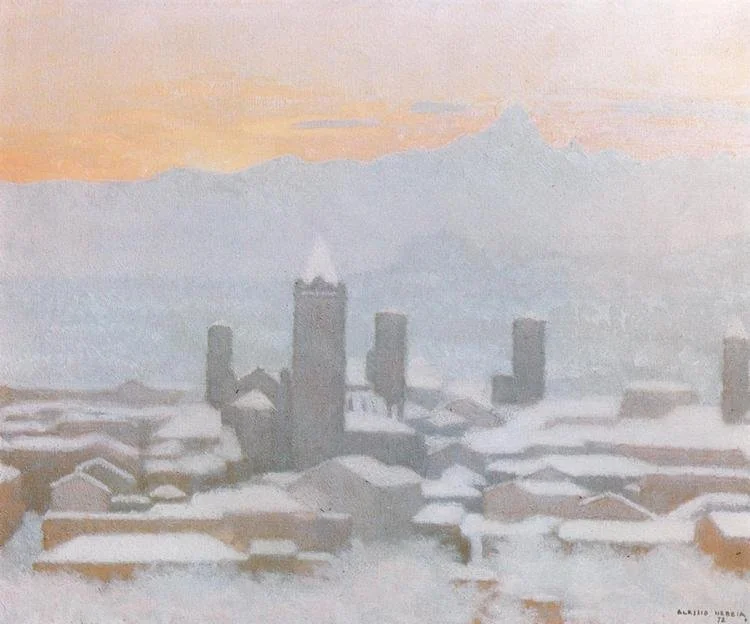
Tramonto ad Alba - 1972 - 50x60
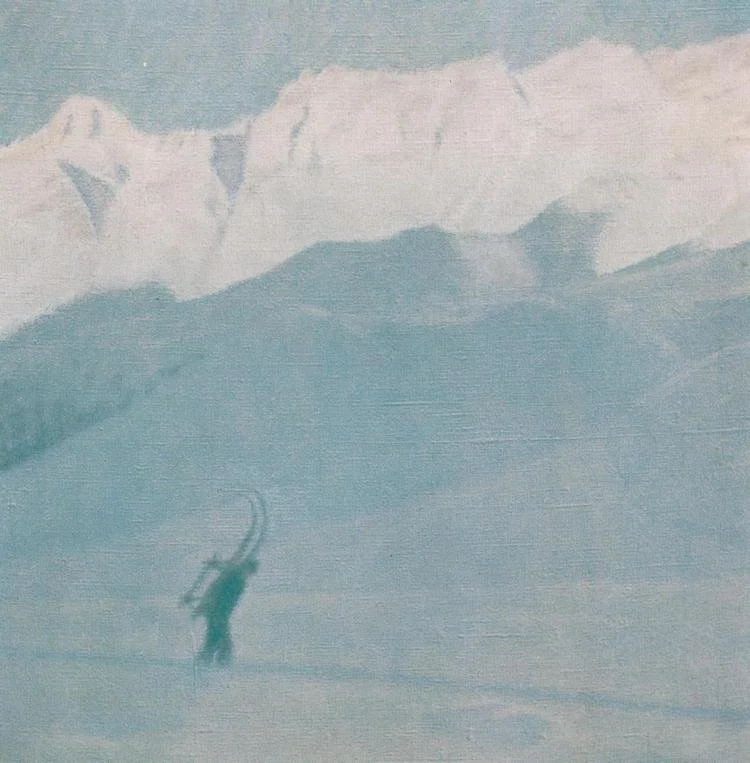
Il montanaro - 1953 - 50x60
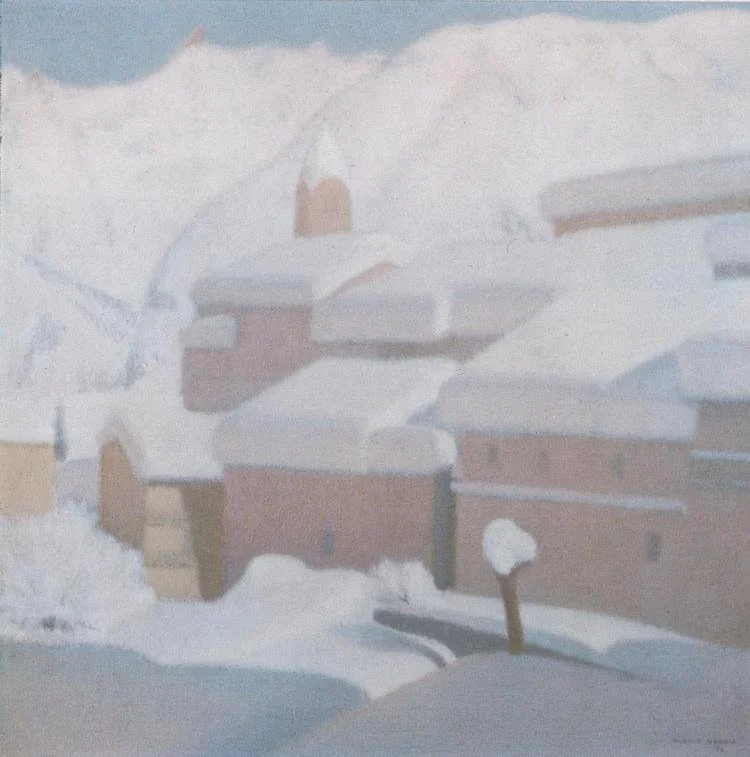
Pieno sole a Coumayeur - 1973 - 70x70
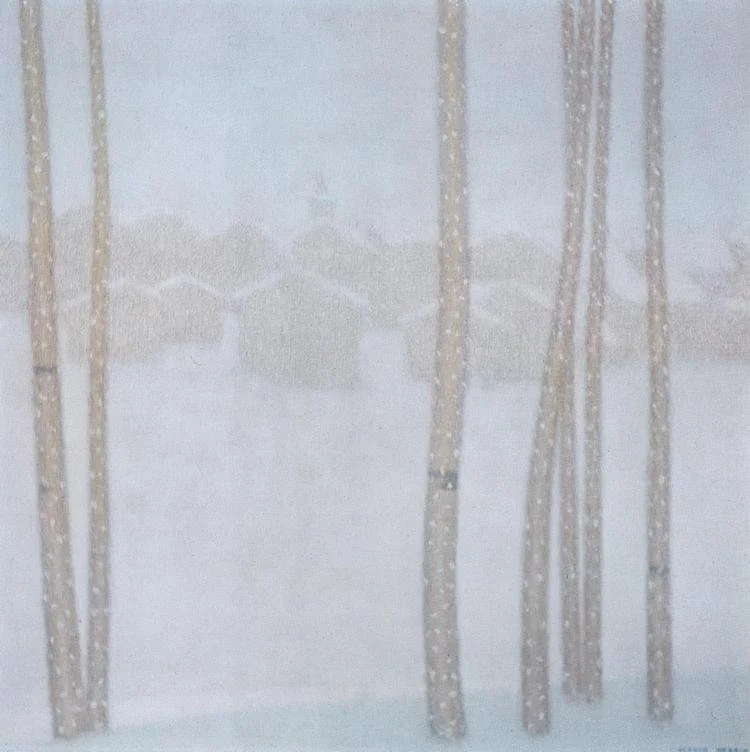
Nevicata a Dolonne - 1970 - 70x70
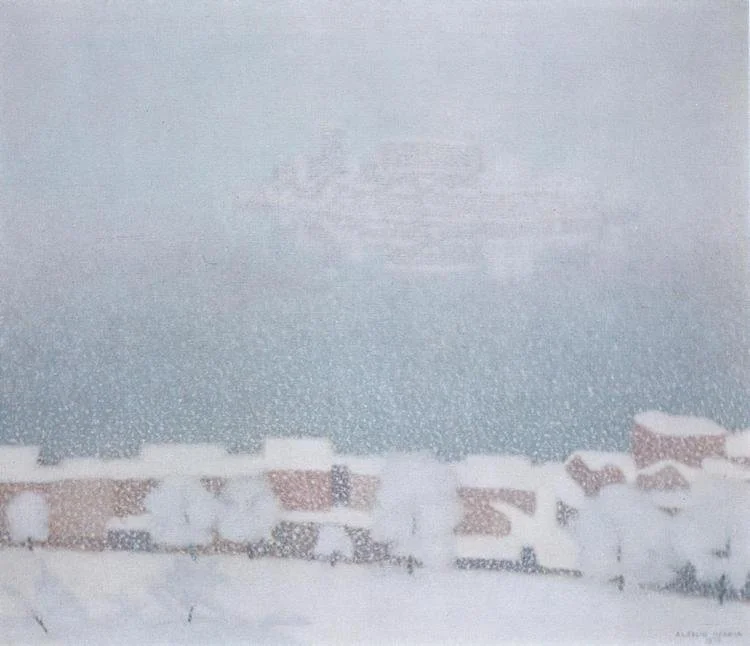
Nevicata ad Orta - 1970 - 60x70
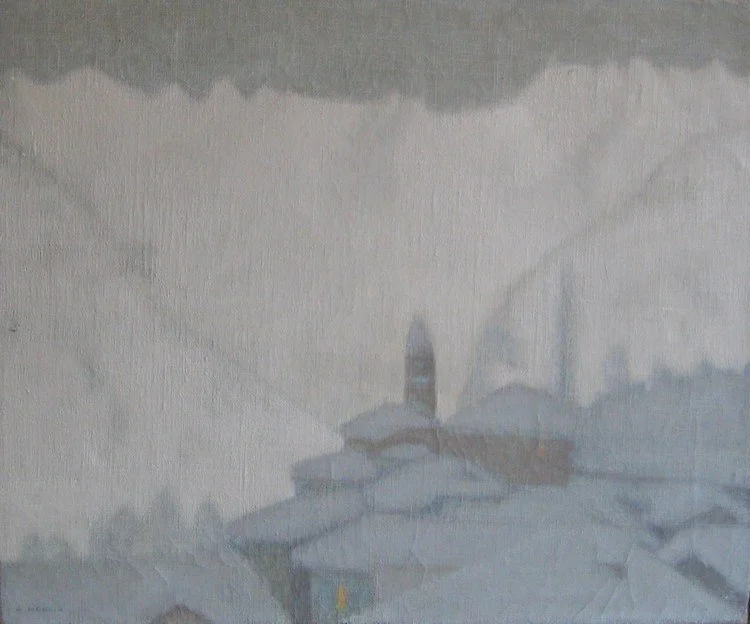
Plenilunio a Courmayeur
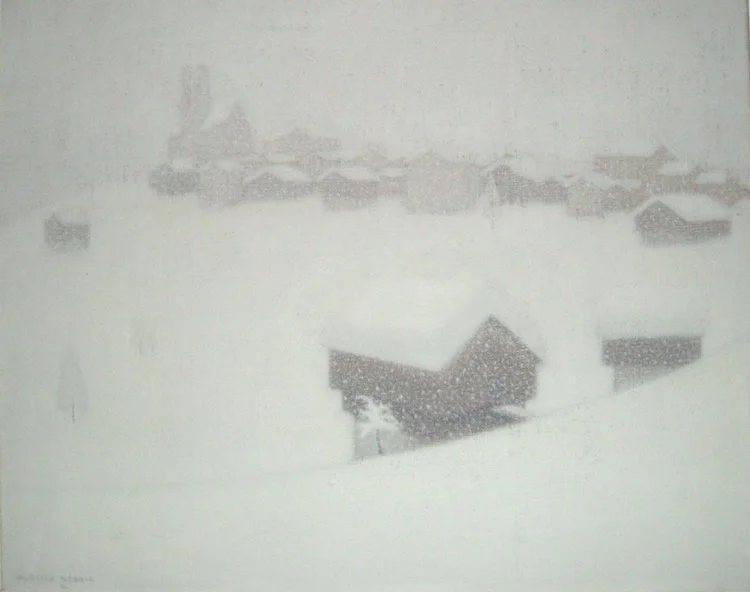
Nevicata a Colle Santa Lucia - 1966 - 65x80
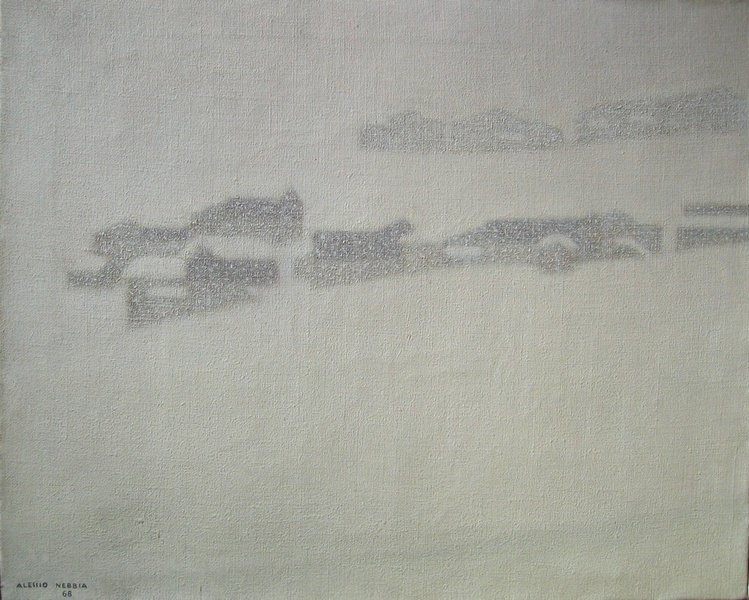
Nevicata a Chamois - 1968 - 65x80
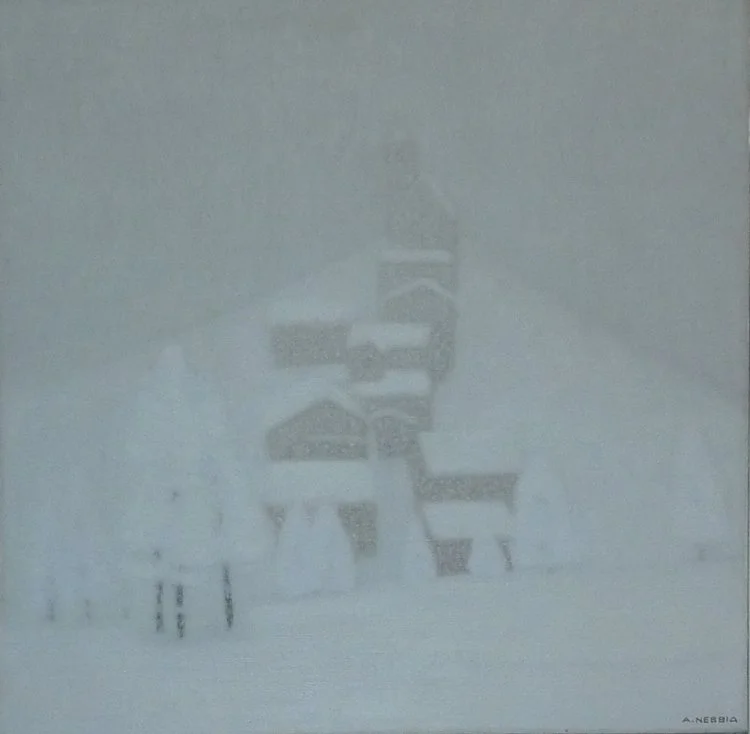
Nevicata a Colle Santa Lucia - 1965 - 60x60
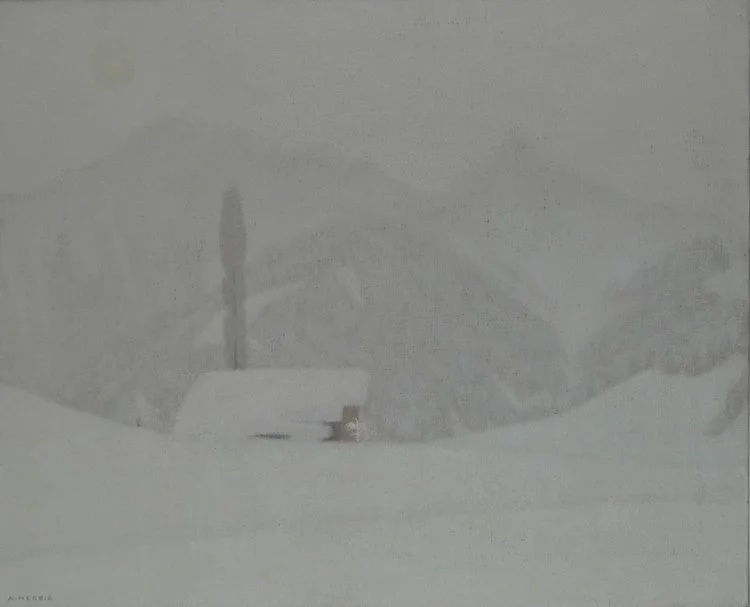
Mont Crammont dal Villair
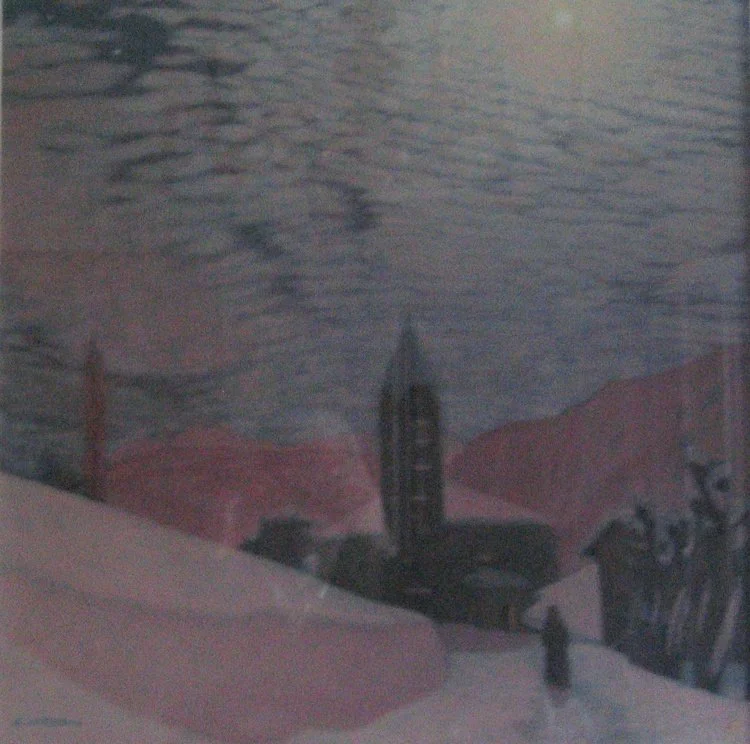
Notte di Natale
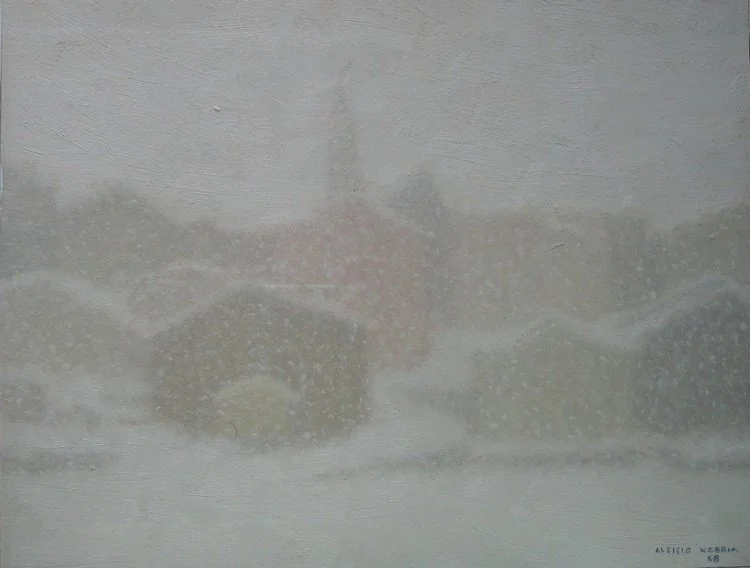
Neve a Dolonne - 1968 - 22x29
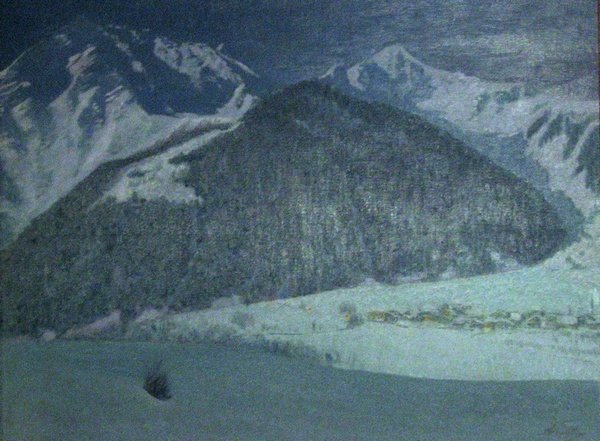
Dolonne al chiar di luna - fine anni'20 - 49x65
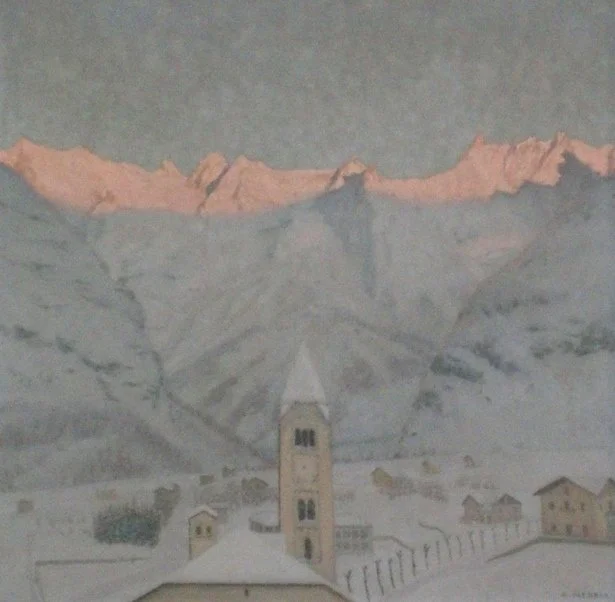
Primo sole sulla catena - primi anni '40 - 70x70
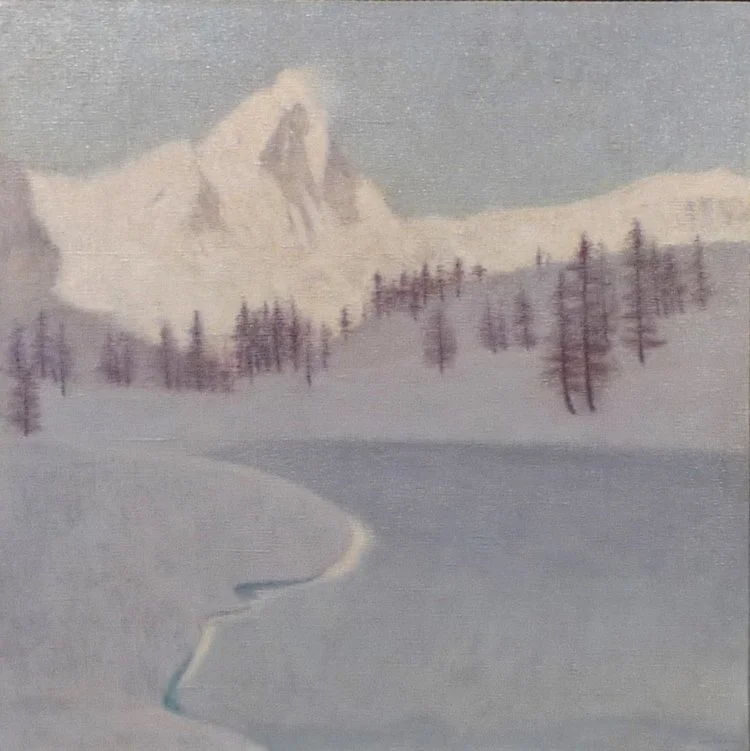
Cervino e Lago Blu - primi anni '40 - 60 x 60
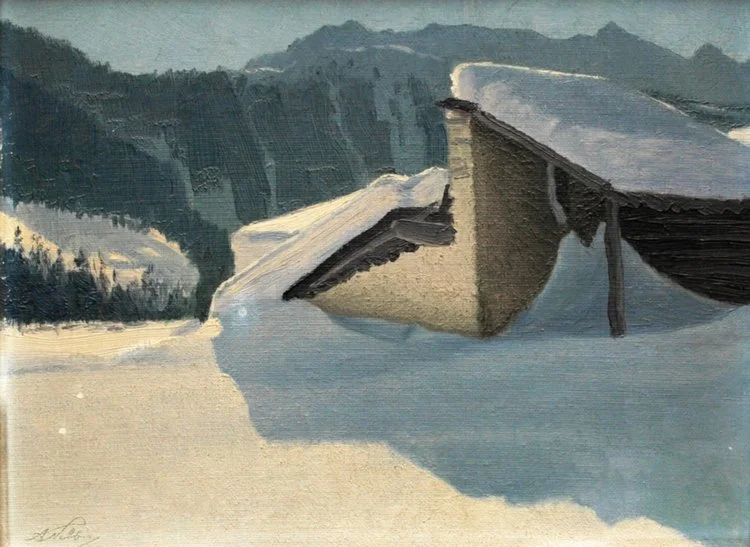
Peuterey sotto la neve
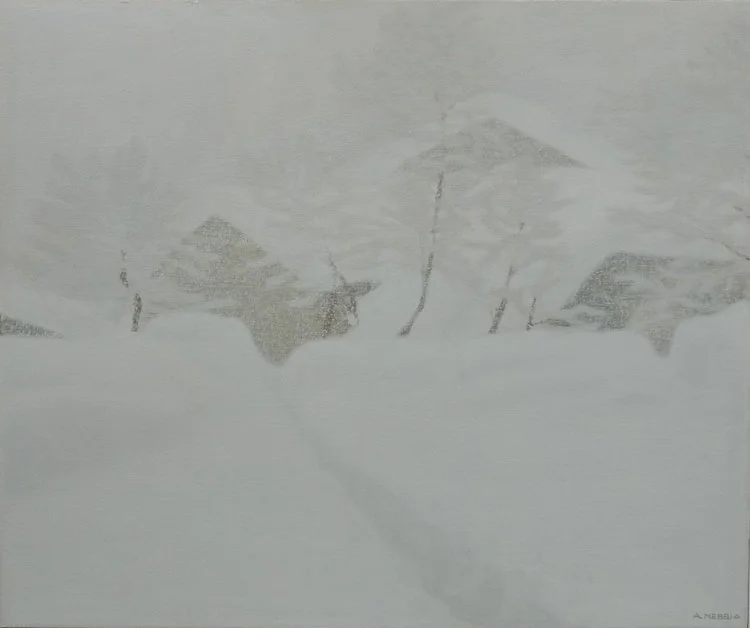
Nevicata a Courmayeur - 1962 - 50x60
Alta montagna High mountain
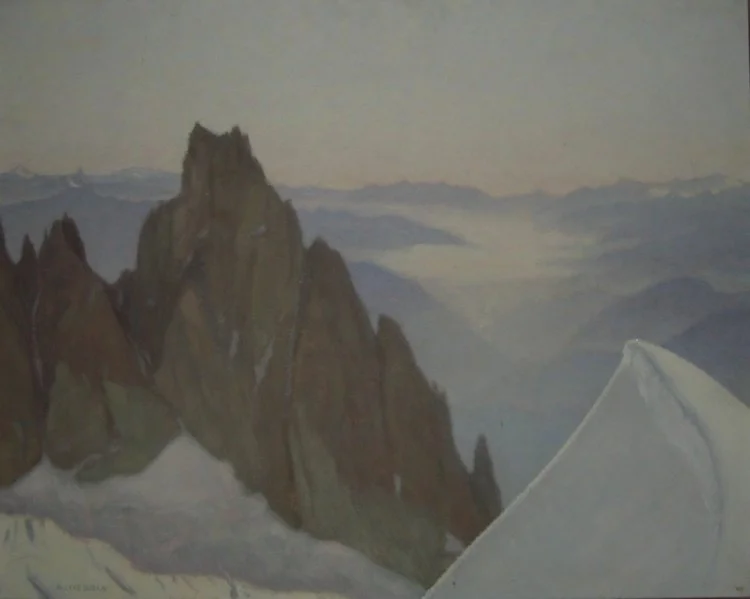
E' uno dei temi prediletti di Alessio Nebbia, e richiama ad un tempo l'amore per la montagna e la profonda conoscenza di questa.
L'alta montagna può essere dipinta solo da chi la ha frequentata, da chi si è mosso ancora in piena notte al lume di una candela racchiusa nella lanterna, al freddo, da chi ha quasi potuto contare le stelle in un ambiente intatto, da chi ha visto l'alba colorare di rosa le cime più alte. Queste esperienze ha vissuto Alessio Nebbia e le ha trasposte su tela.
It is one of Alessio Nebbia's favorite themes, and it recalls both his love for the mountains and his profound knowledge of them.
The high mountains can only be painted by those who have frequented them, by those who have still walked in the dead of night by the light of a candle in a lantern, in the cold, by those who have almost been able to count the stars in an untouched environment, by those who have seen the dawn color the highest peaks pink. Alessio Nebbia has lived these experiences and translated them onto canvas.
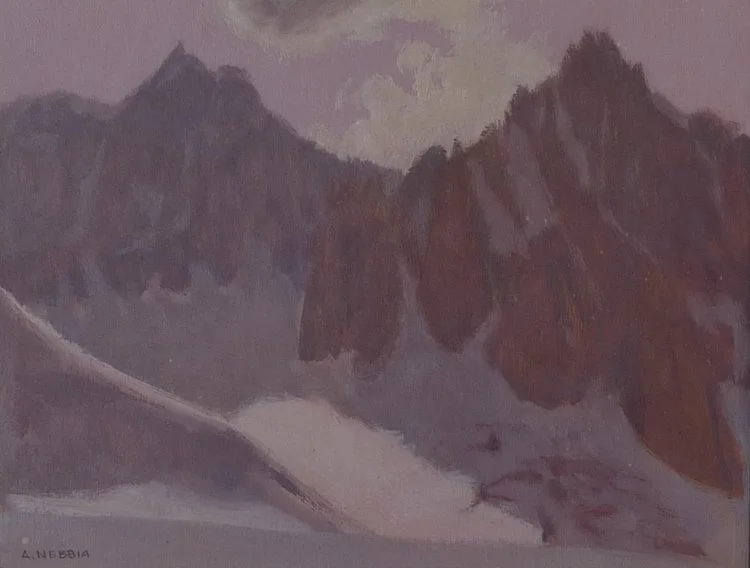
M.Maudit e M.Blanc du Tacul - 1940 - 27x35
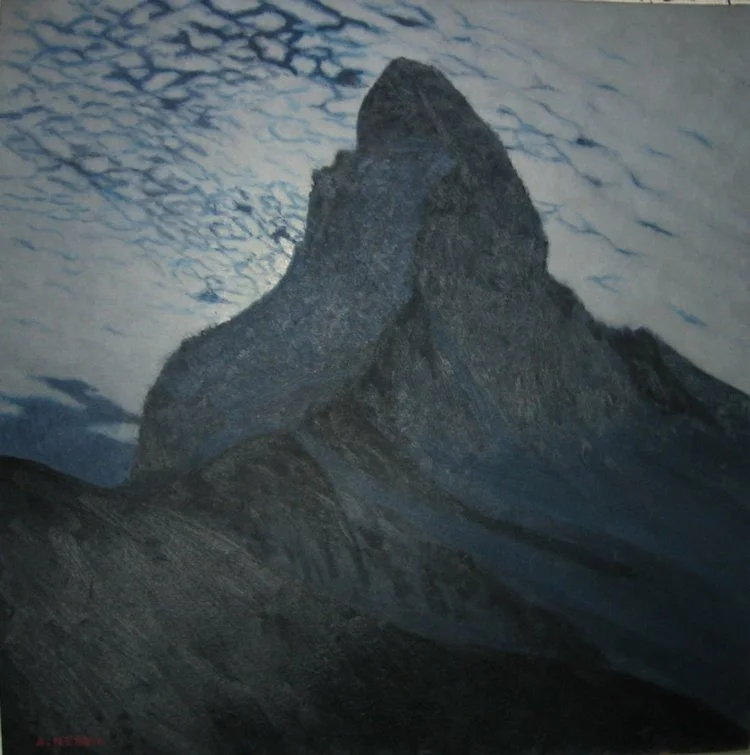
Notturno sul Cervino - 1940 - 60x60
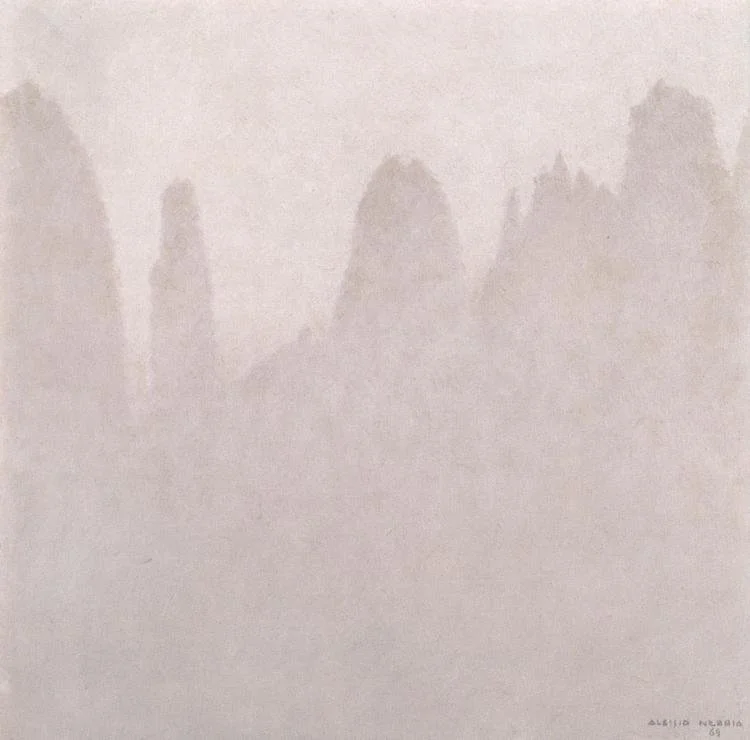
I Campanili del Brenta - 1969 - 40x40
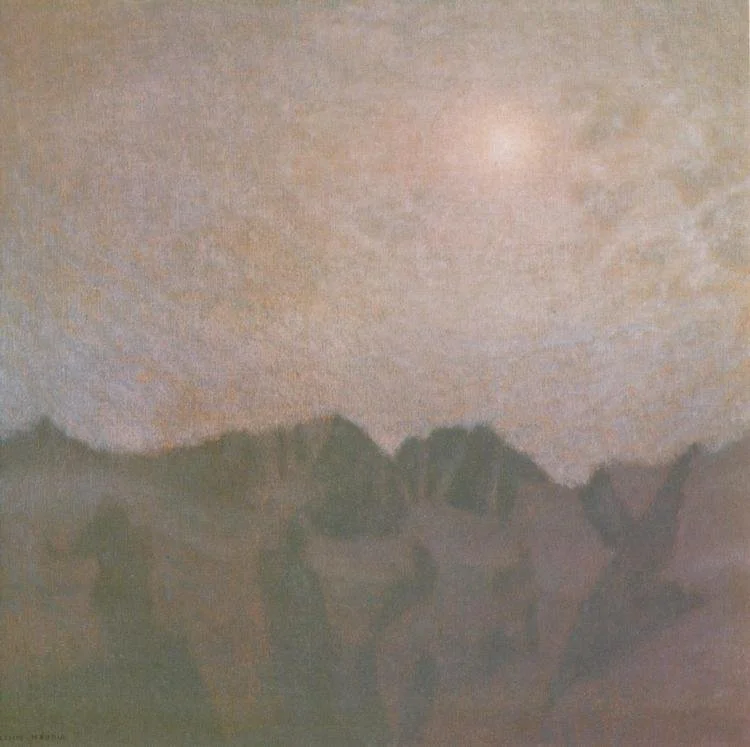
Notturno a Valnontey - 1961 - 60x60
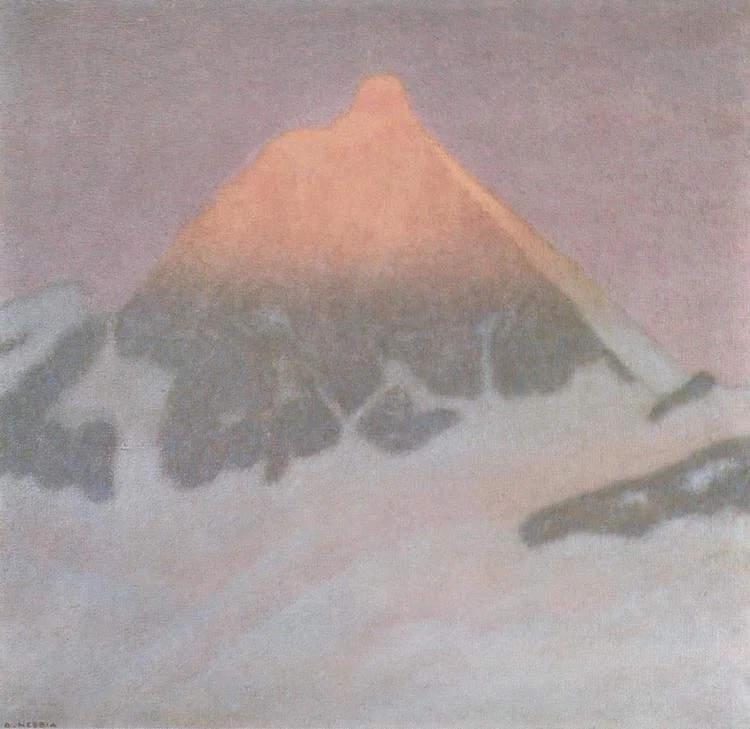
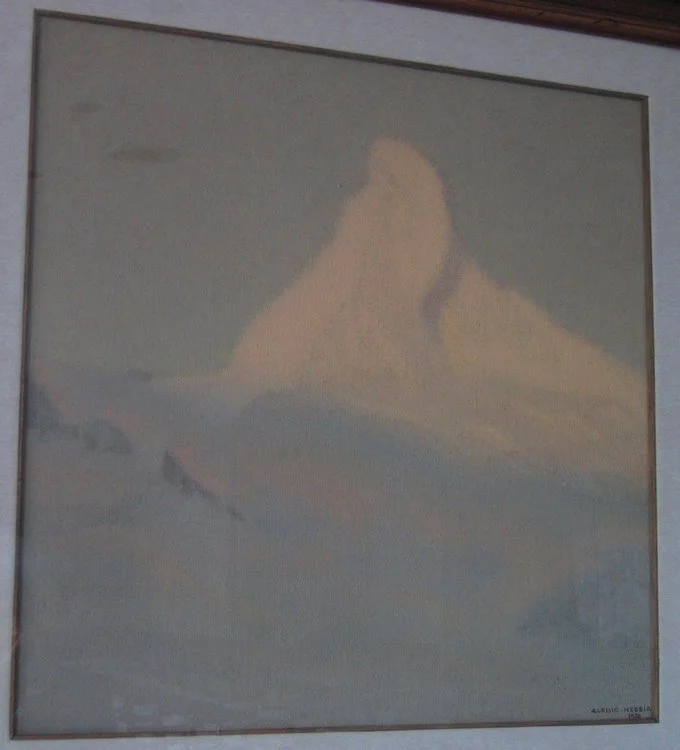
Primo sole sul Cervino - 1966 - 80x80
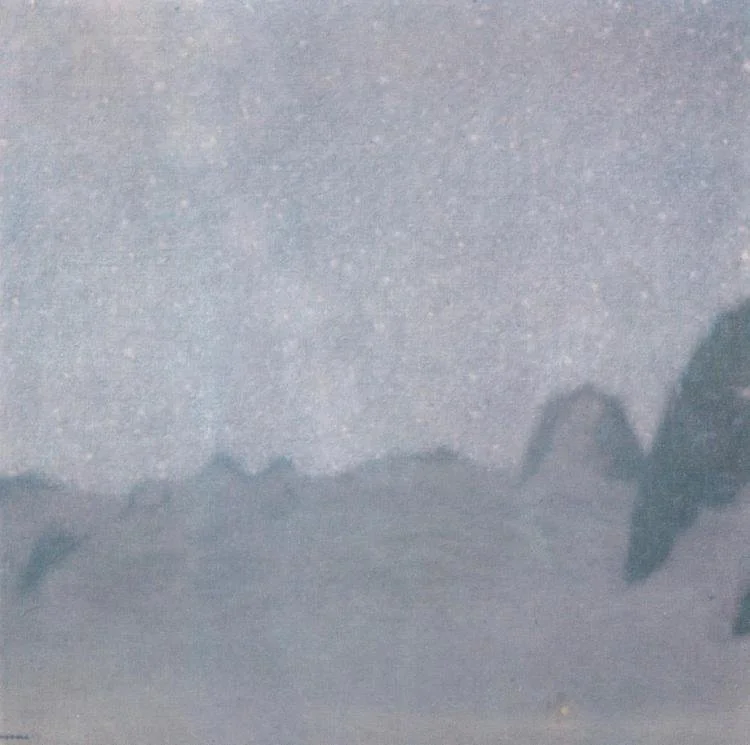
Salendo di notte - 1948 - 100x100
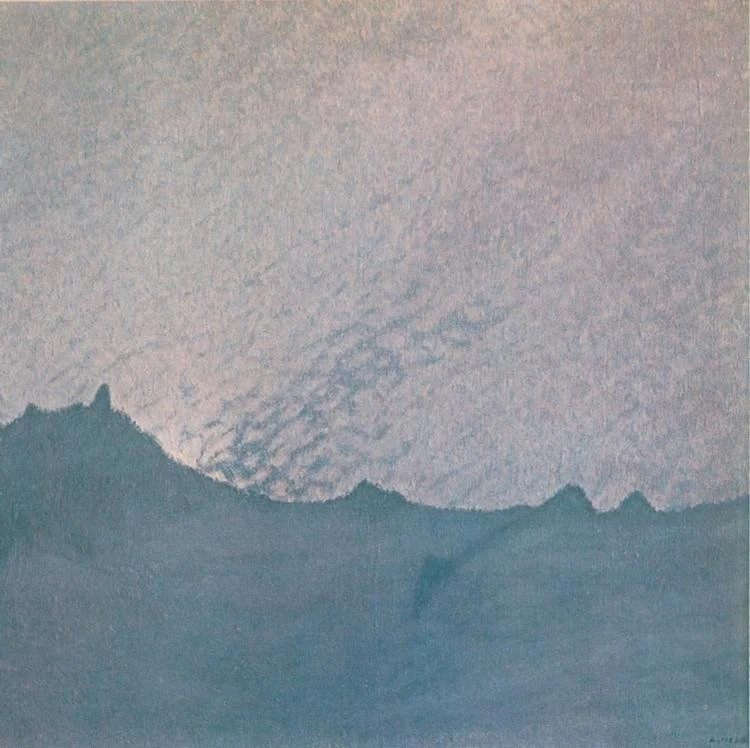
Sorge la luna - 1956 - 80x80
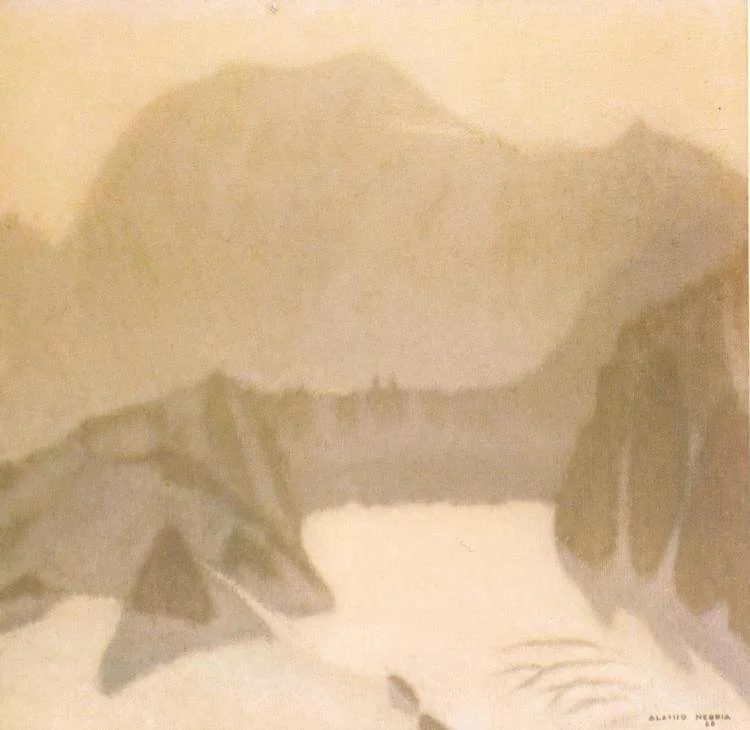
Meriggio (Monte Bianco) - 1968 - 60x60
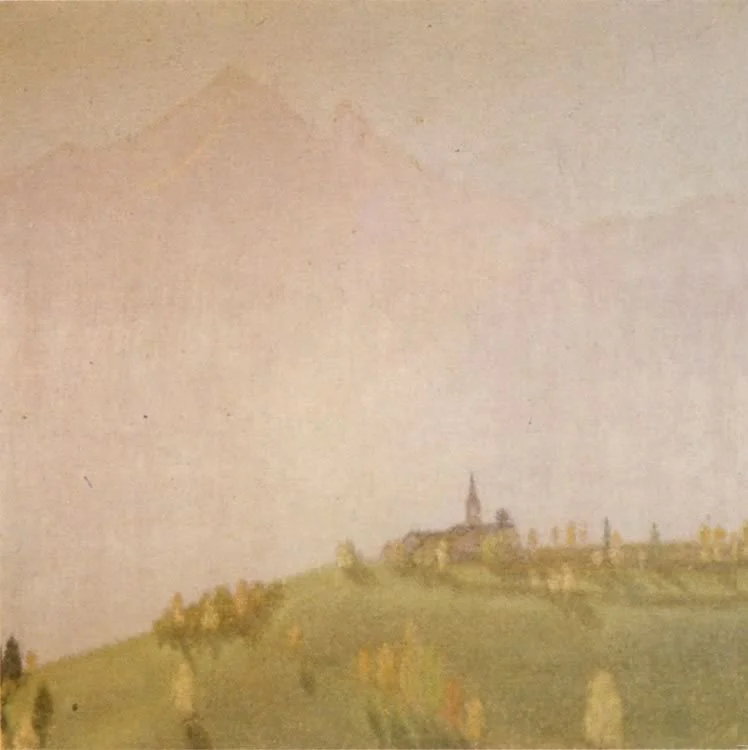
St. Nicolas - 1966 - 50x60
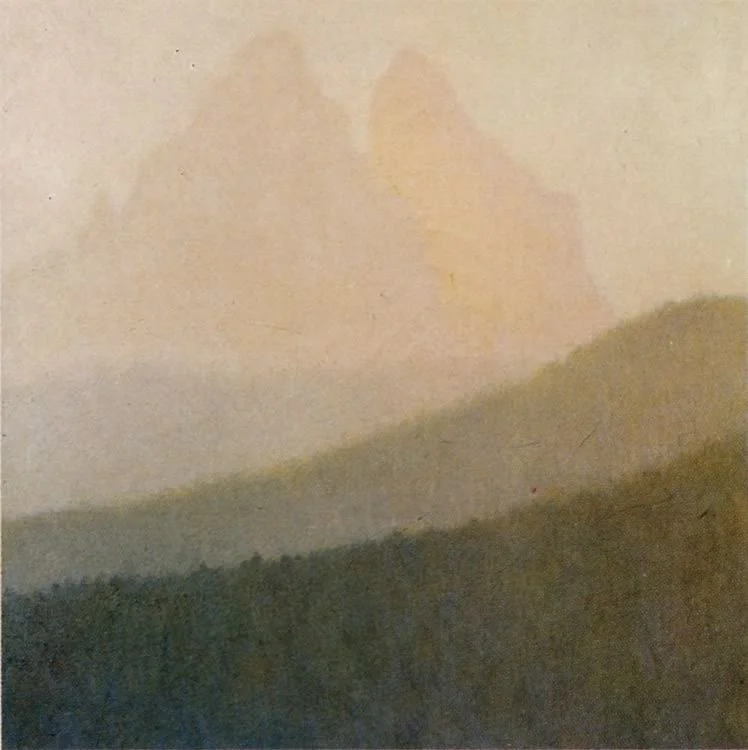
Le Cime di Lavaredo - 1970 - 40x40
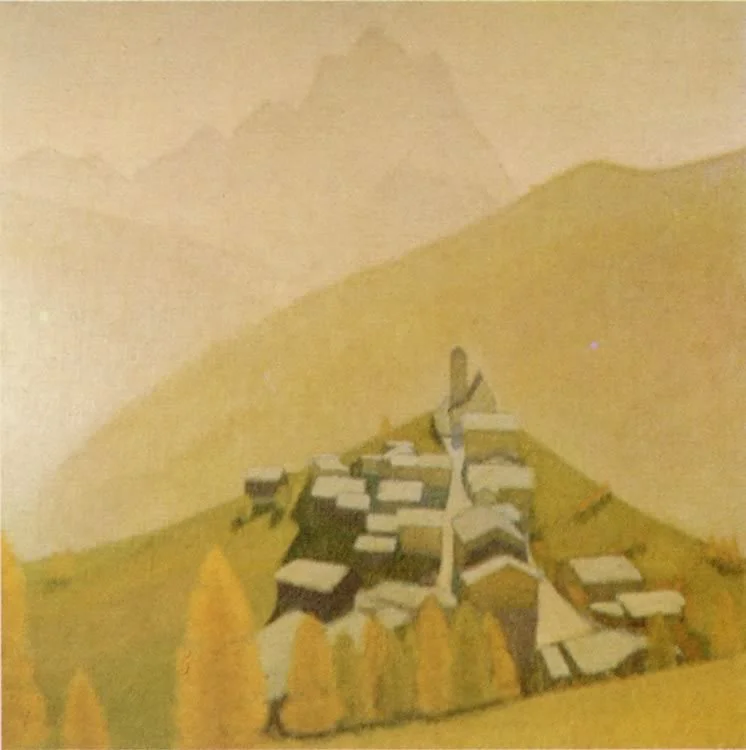
Autunno a Santa Lucia - 1973 - 100x100
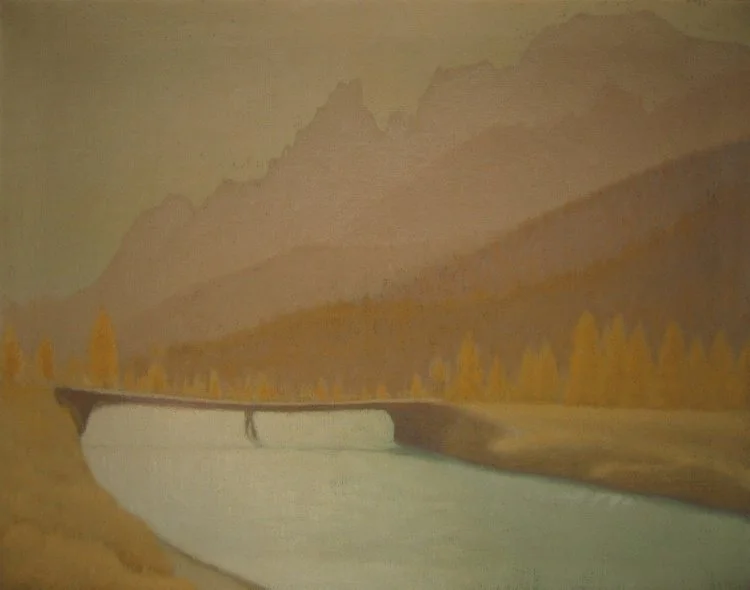
Autunno in Val Ferret - 1964 - 80x100
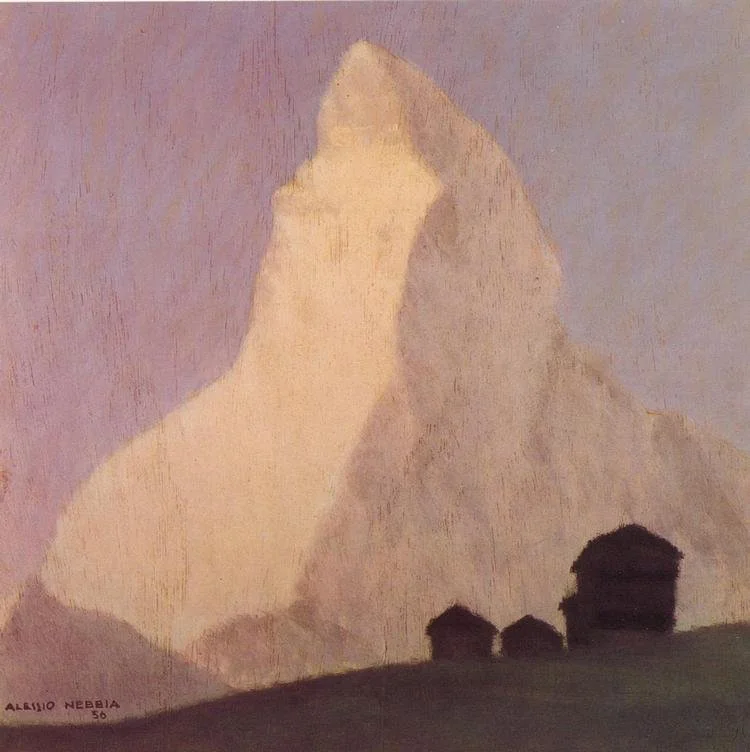
Alpeggio - 1956 - 34 x34
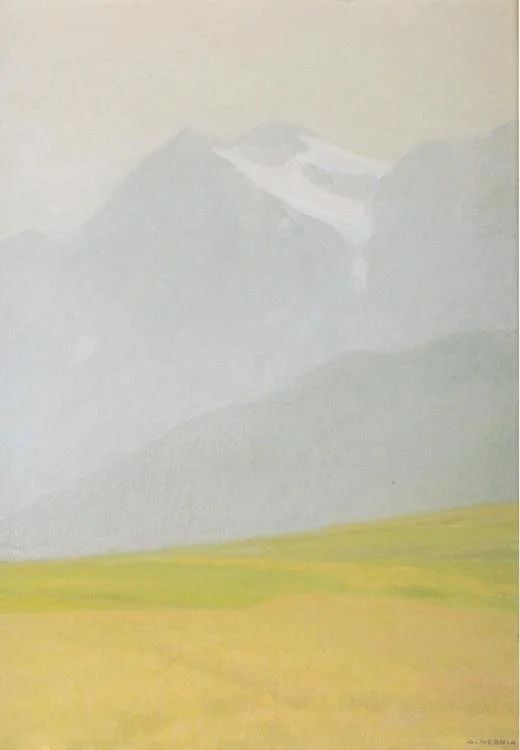
La valle di Giosafat - 1961 - 50 x70
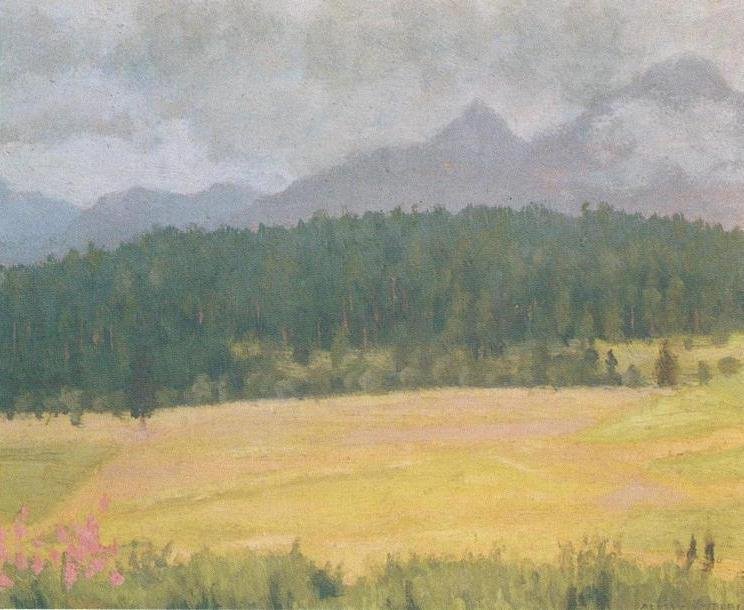
Il bosco di Pra Charbon - 1968 - 28x23
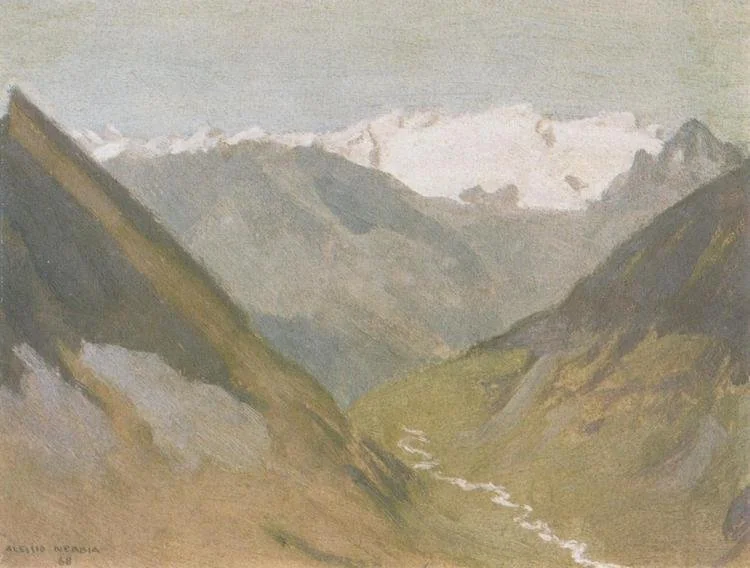
Il Rutor - 1968 - 25x30
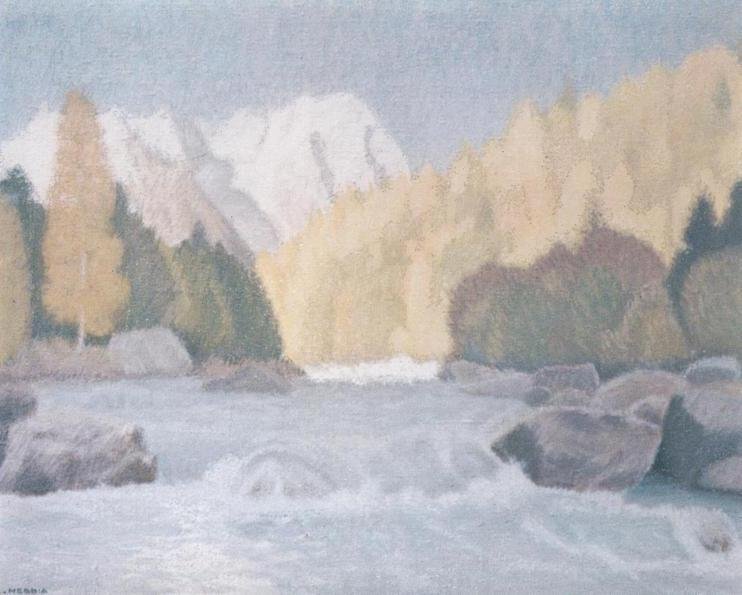
La Dora d'autunno - 1960
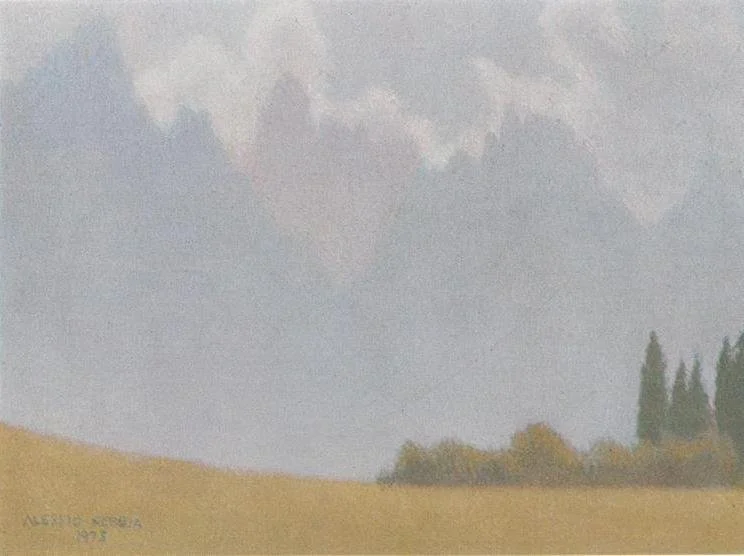
Le Pale di San Martino - 1973 - 18x24
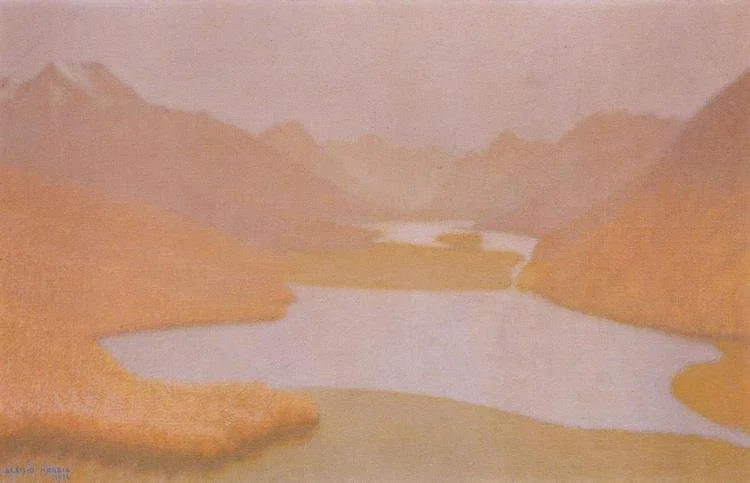
Meriggio al lago di Silvaplana - 1974 - 45x70
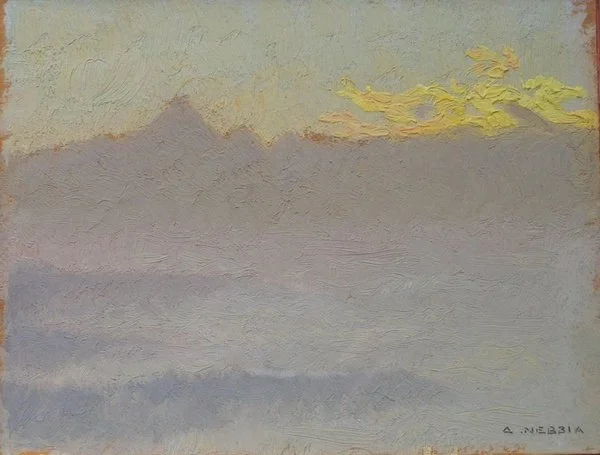
Il Monviso - 12x15
Il Monviso - 12x15
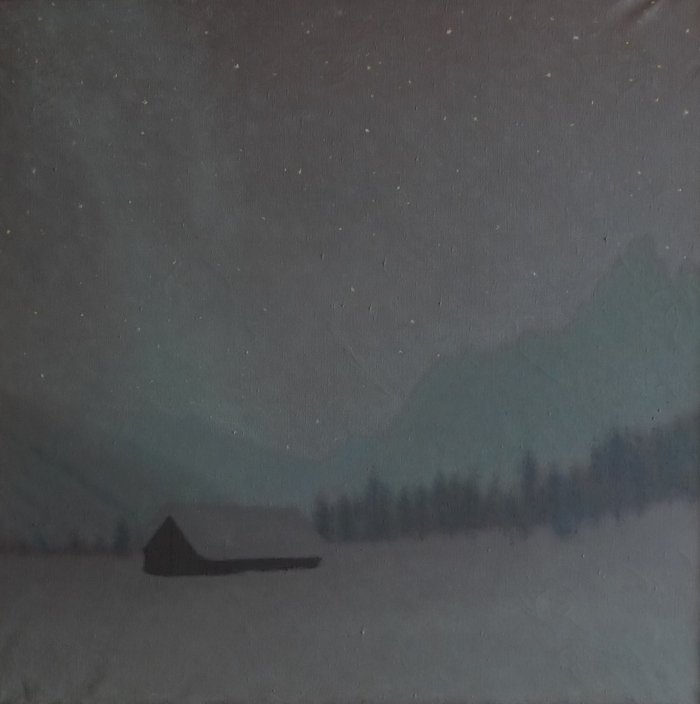
Studio di notturno in Val Ferret
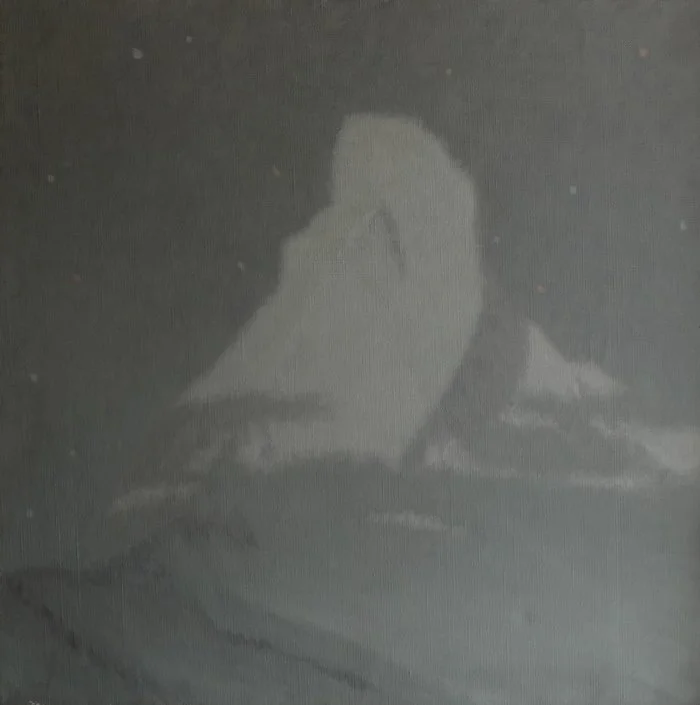
Studio di notturno sul Cervino
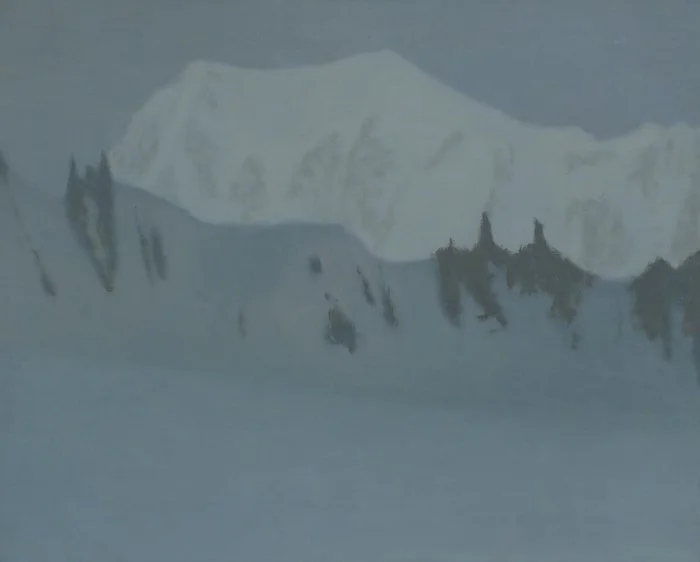
Studio di notturno sul Monte Bianco
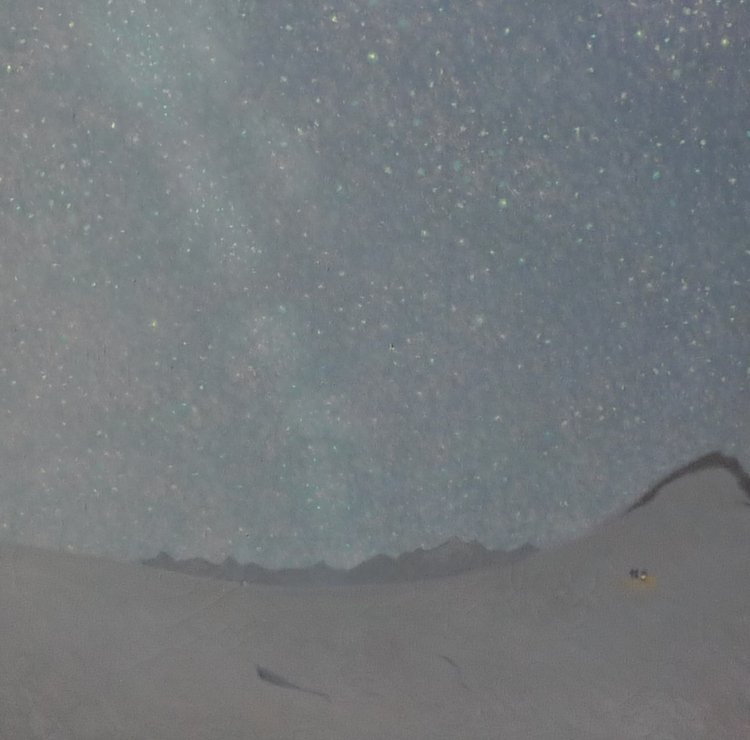
Studio di notturno
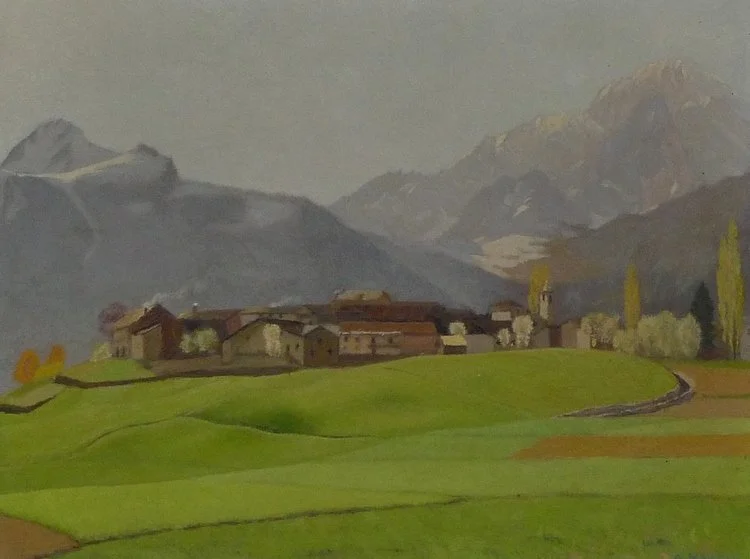
Verrand e Monte Bianco - anni '40/50 - 46x61
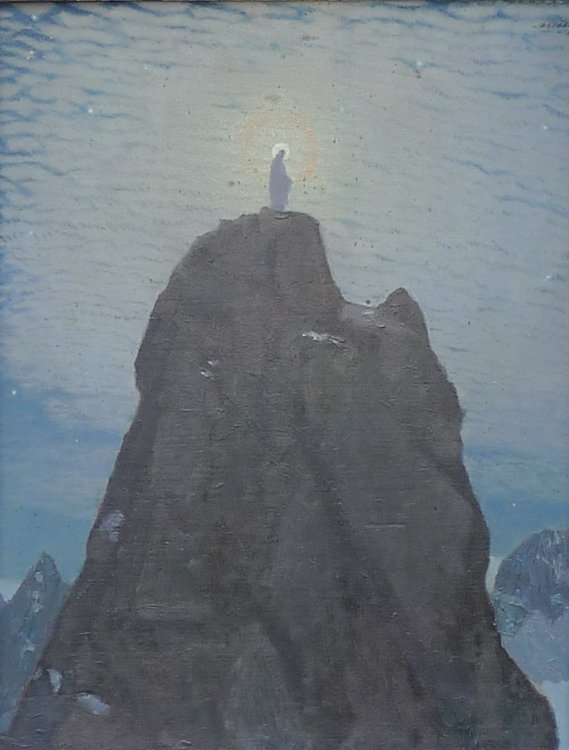
Madonna del Dente del Gigante - 1928 - 41x33
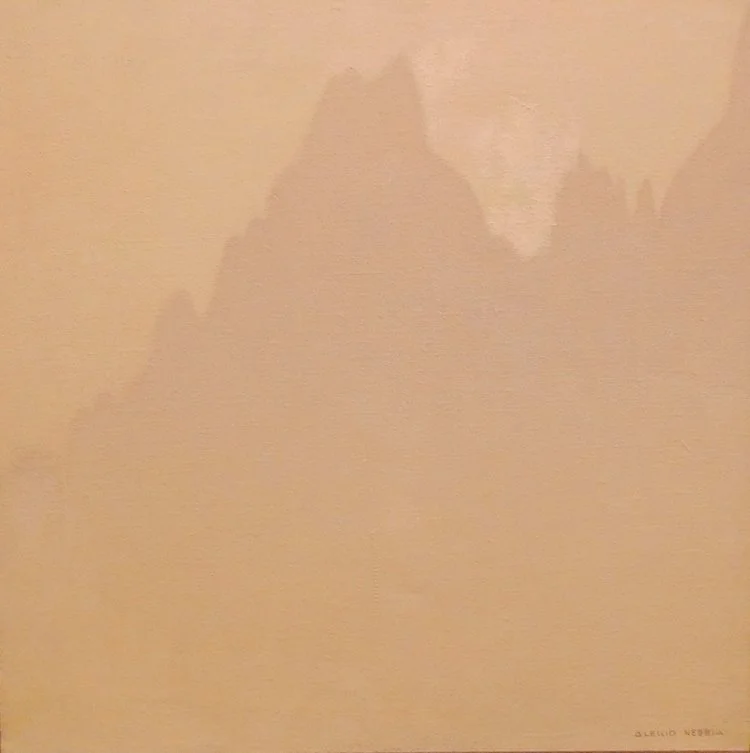
Aiguille Noire - 1953 - 60x60
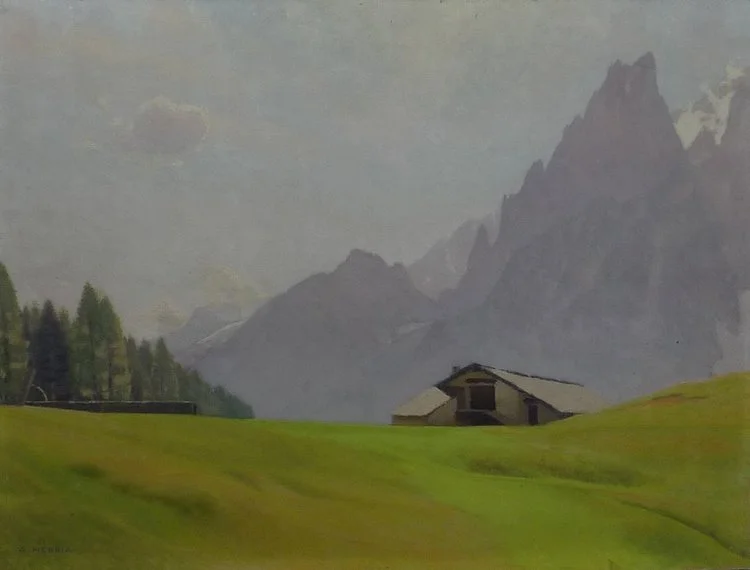
Pré de Pascal -1943 - 46x60
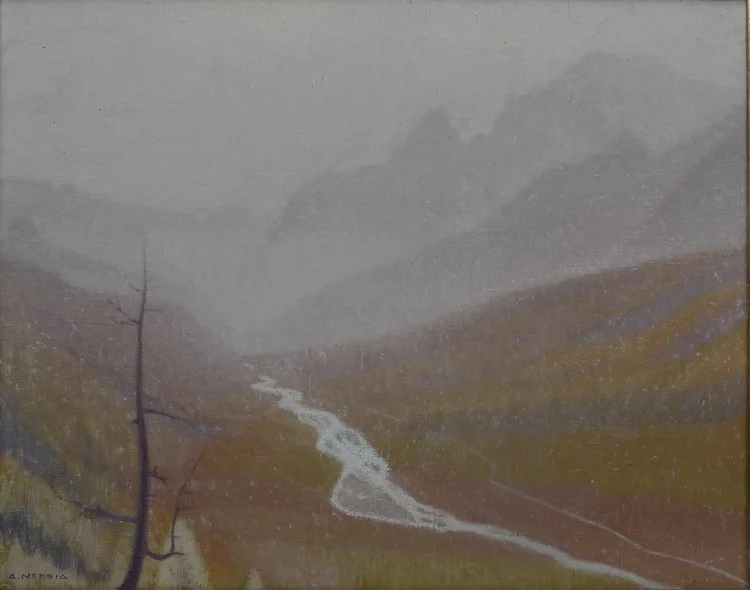
Controluce in Val Ferret -1952 - 48x60
Aig.Noire - 48x60
Paesaggi Landscapes
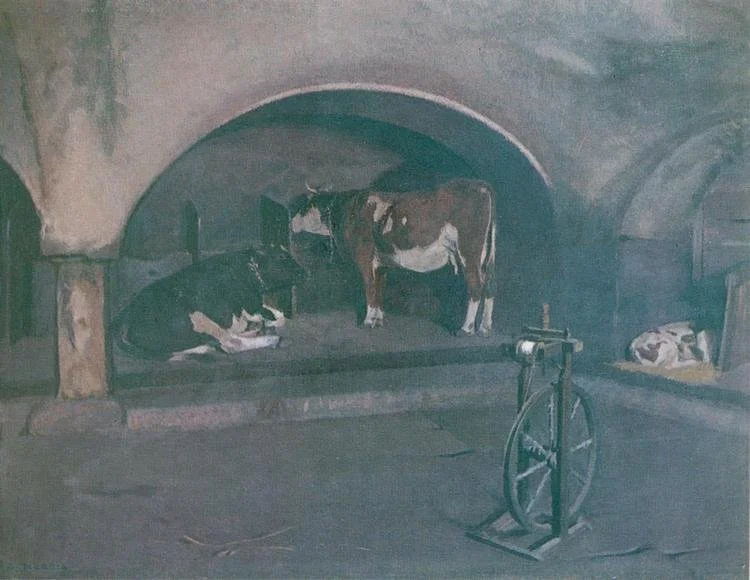
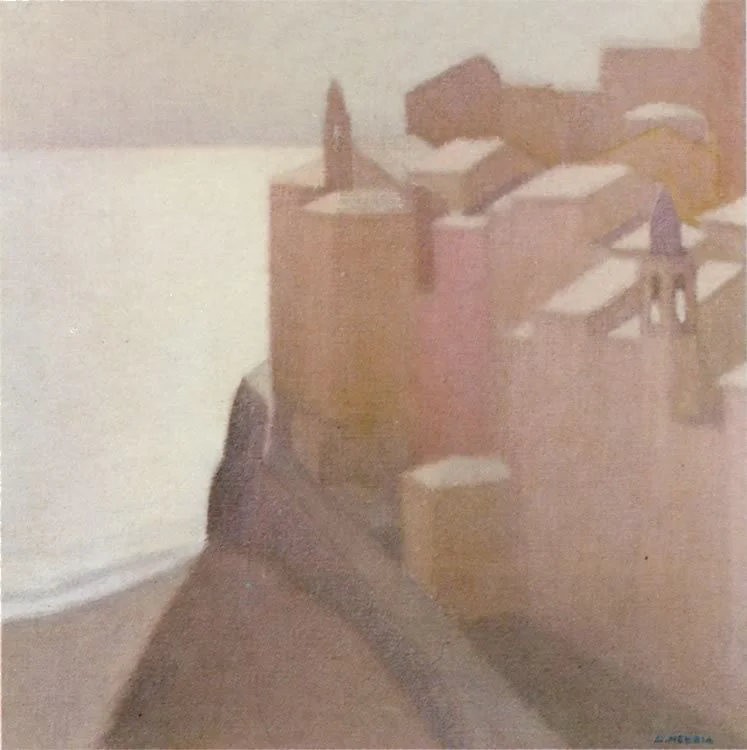
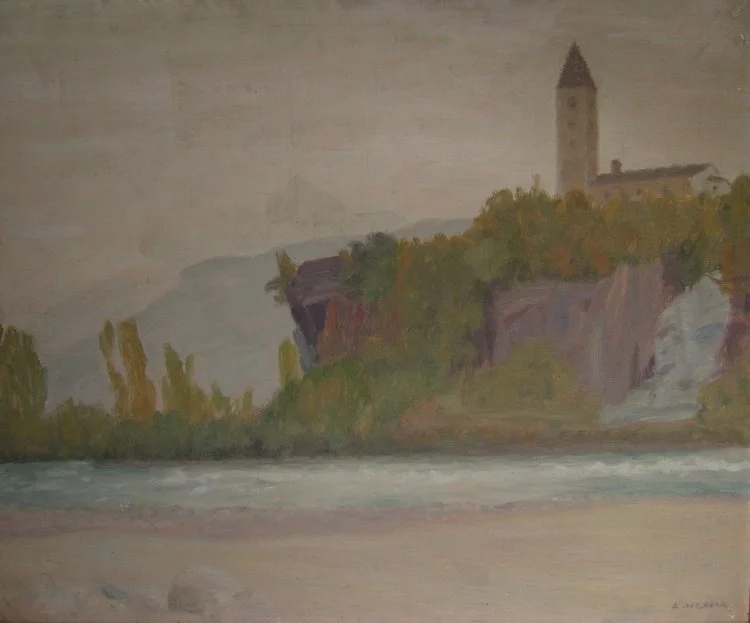
Sono numerose le opere che non fanno diretto riferimento alla montagna. Quelle che raffigurano il mare, oltre che confermare il legame spirituale tra amanti della montagna e quelli del mare, dimostrano ulteriormente l'ampia capacità pittorica di Alessio Nebbia. Le numerose raffigurazioni di Venezia esprimono la grande sensibilità per le opere d'arte. I colori richiamano quelli del Canaletto.
Numerous works do not directly reference the mountains. Those depicting the sea, besides confirming the spiritual bond between mountain and sea lovers, further demonstrate Alessio Nebbia's extensive pictorial skill. The numerous depictions of Venice express his profound sensitivity to artwork. The colors recall those of Canaletto.
La stalla di Emile Rey - 1941 - 45x60
Sori - 1972 - 60x60
Chiesa di Villeneuve - 50x60
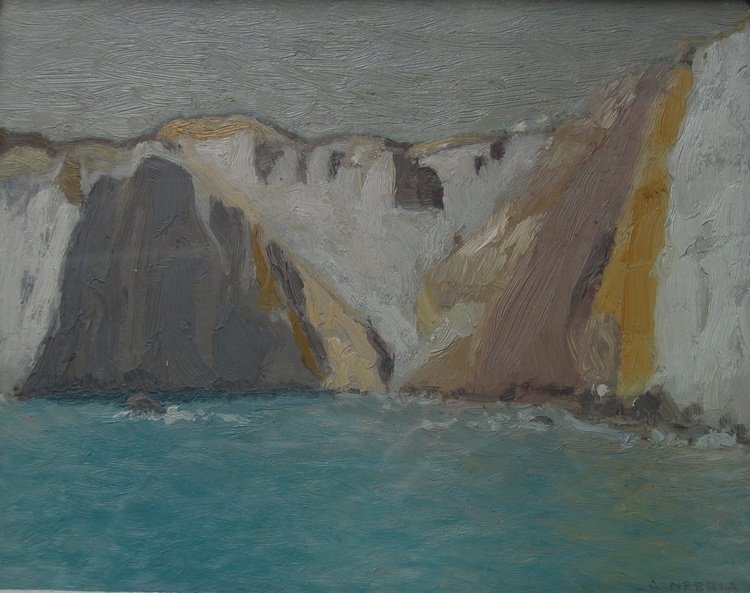
Chiaia di Luna a Ponza - 1964 - 18x23
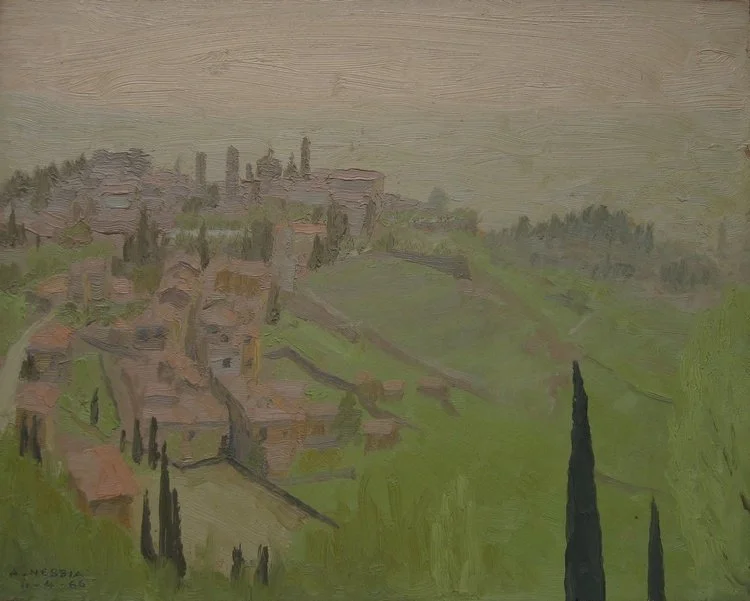
Bergamo alta - 1966 -24x30

Pallido sole - 1951 - 18x24
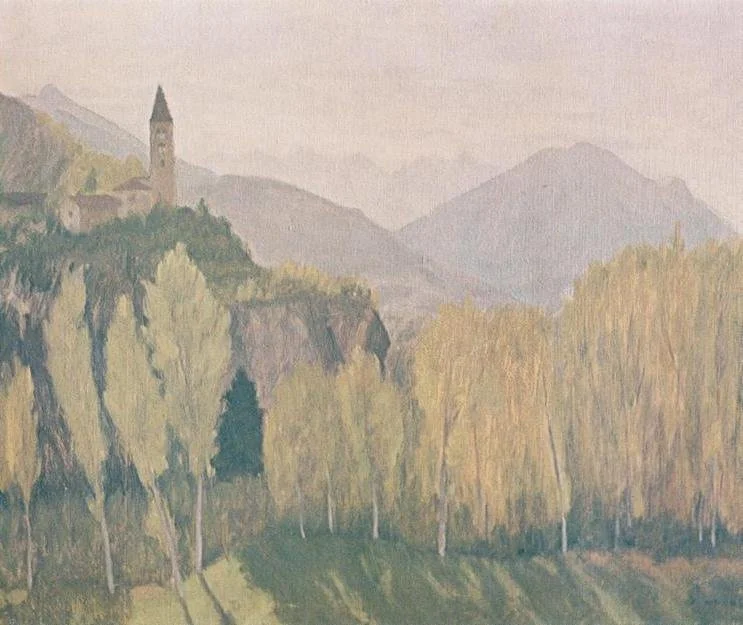
Autunno a Villeneuve - 1965 - 50x60
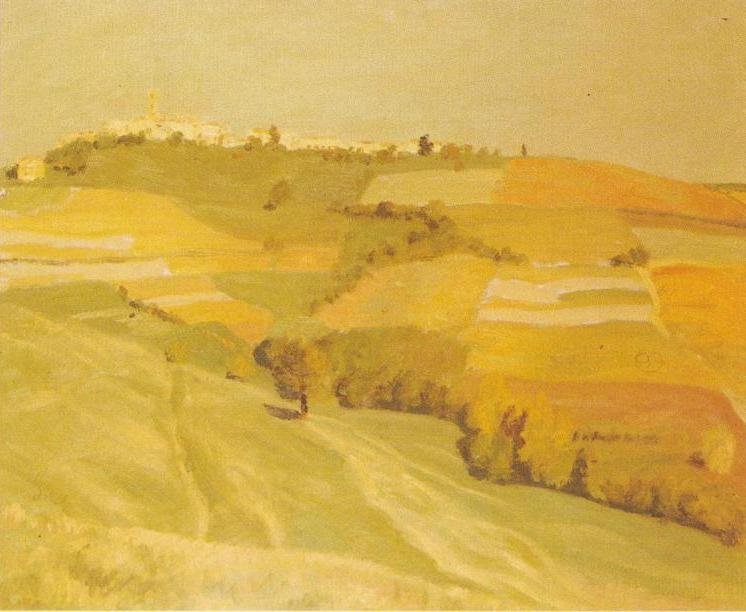
Autunno ad Albugnano - 1964 - 60x50
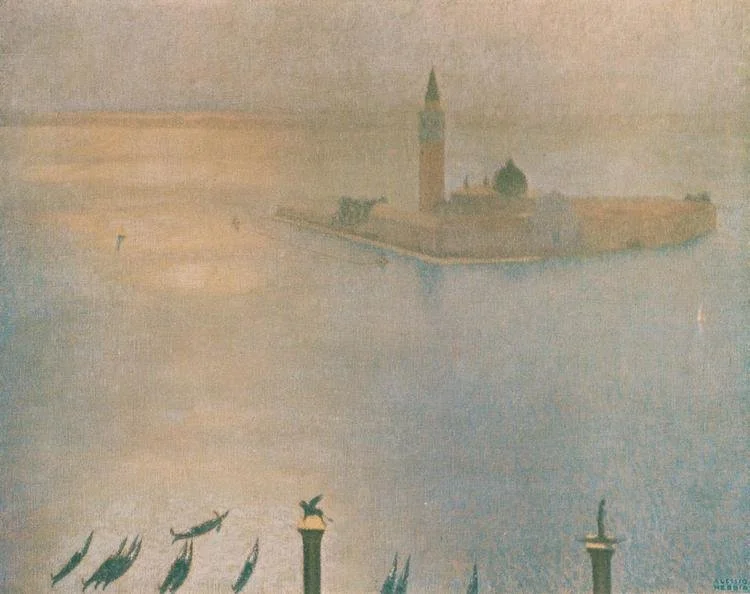
Bacino di San Marco - 1949 - 95x120
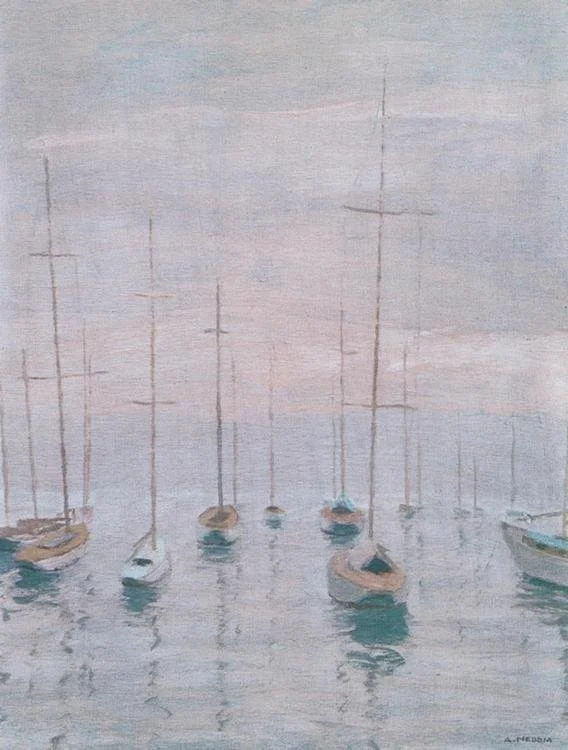
Barche, Portofino - 1954 - 45x35
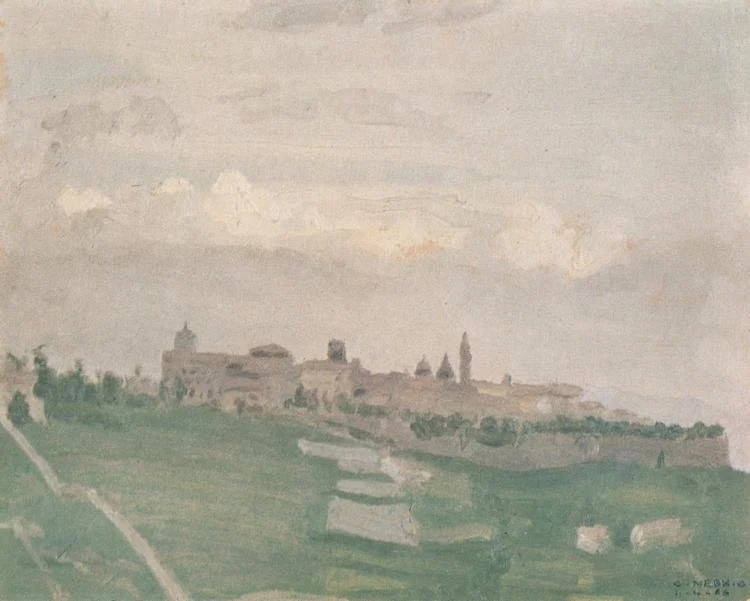
Bergamo alta - 1966 -24x30
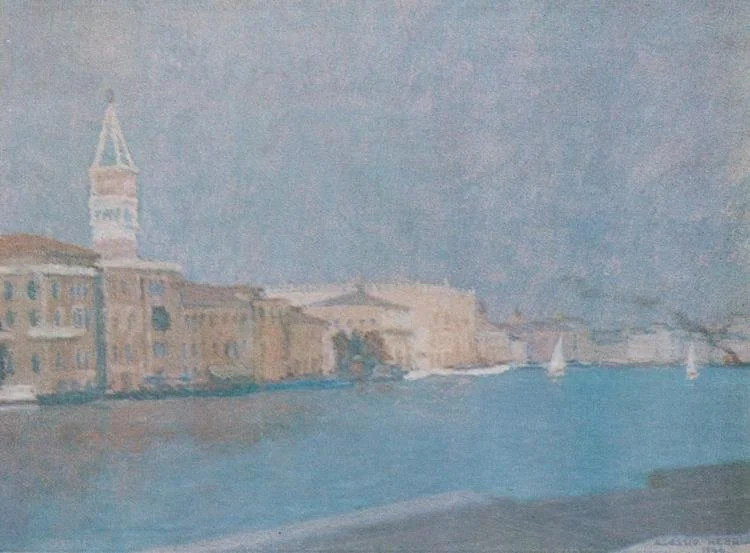
Canal Grande - 1946 - 40x50
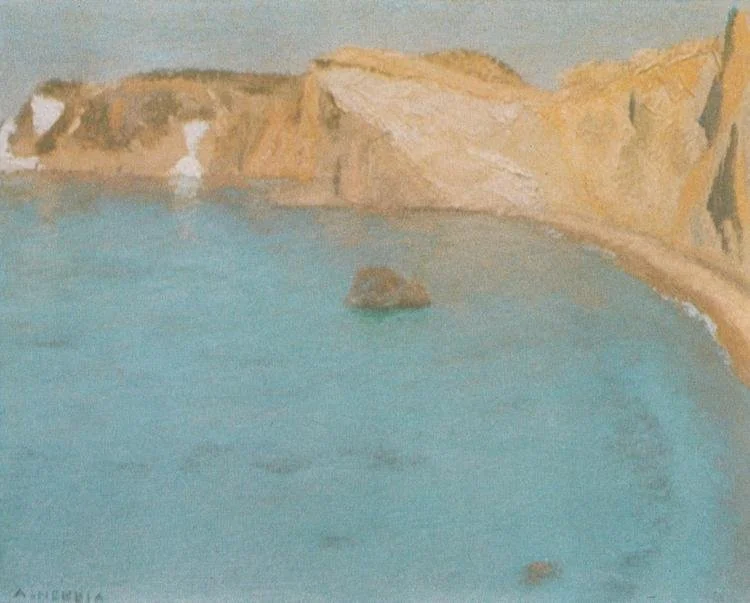
Scogliere a Ponza - 1964 - 18x23
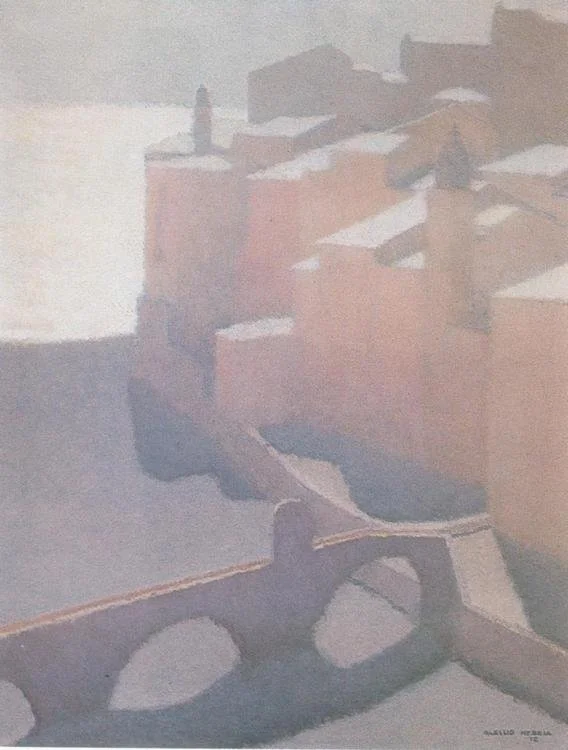
Controluce a Sori - 1972 - 40x50
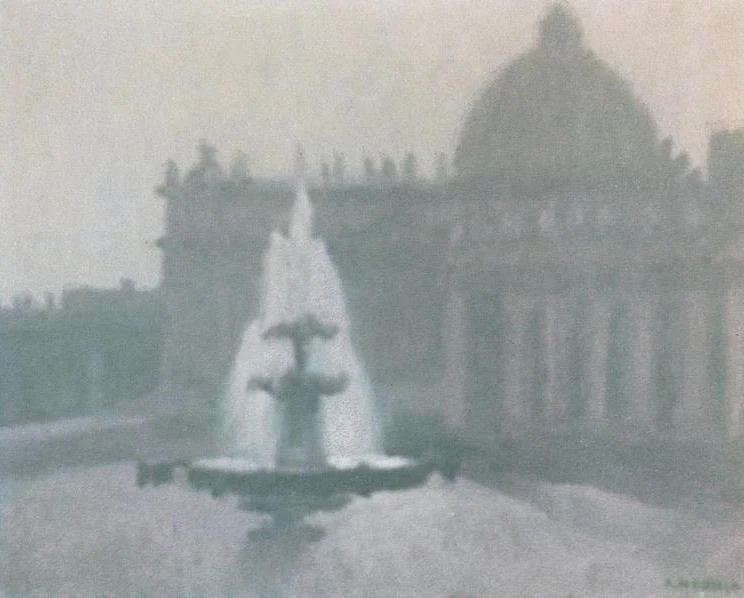
Controluce in Piazza San Pietro - 1954 -24x30
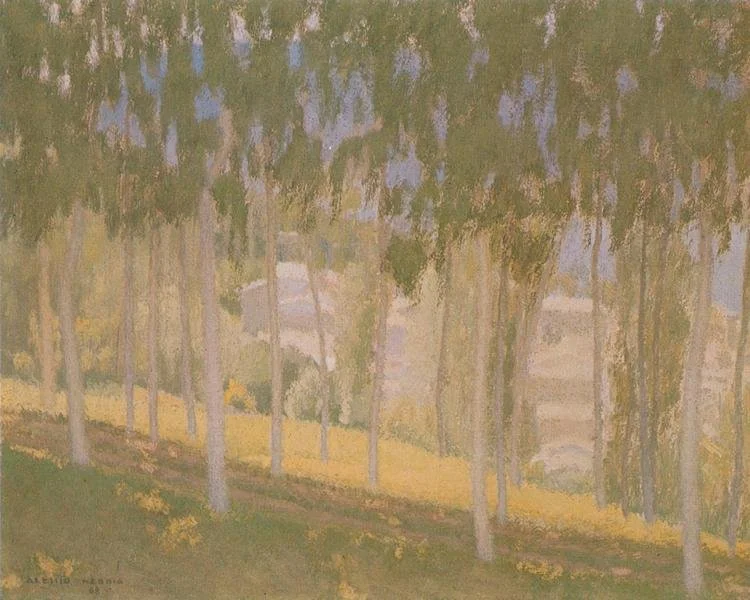
Da casa mia a Courmayeur - 1968 - 40x50
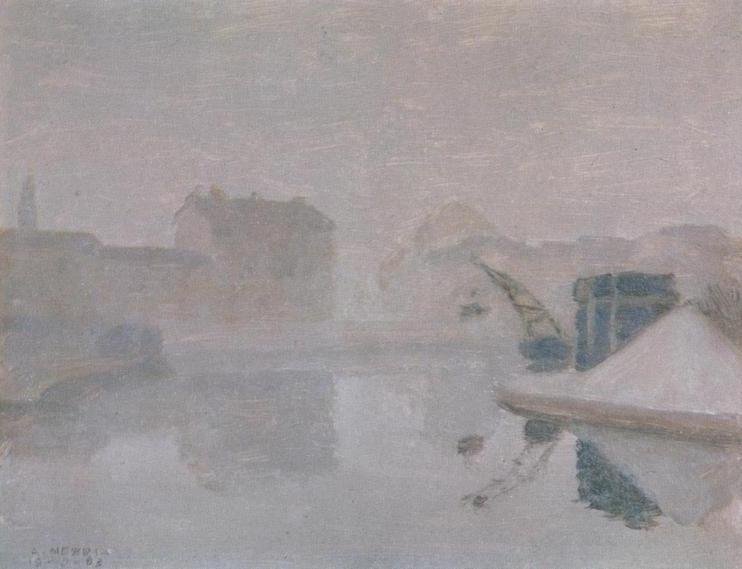
Darsena, Milano - 1963 - 18x24
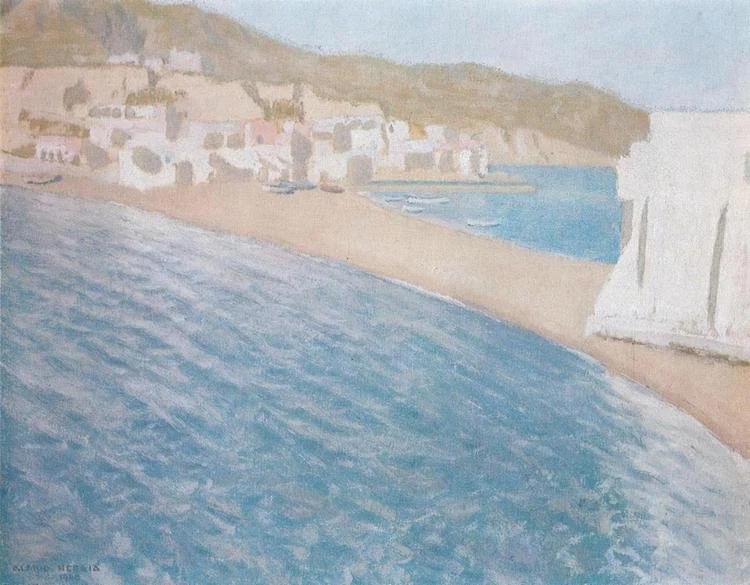
Due mari, Sant'Angelo d'Ischia - 1948 - 35x45
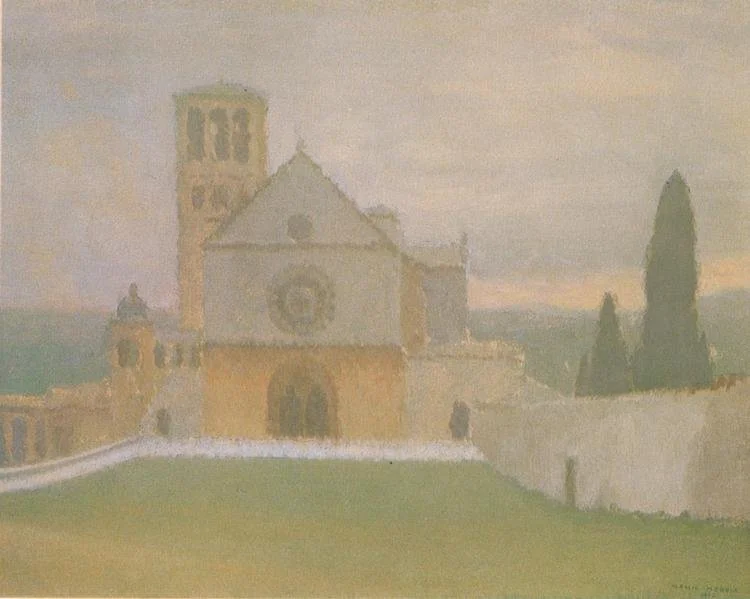
Grigio, Assisi - 1970 - 40x50
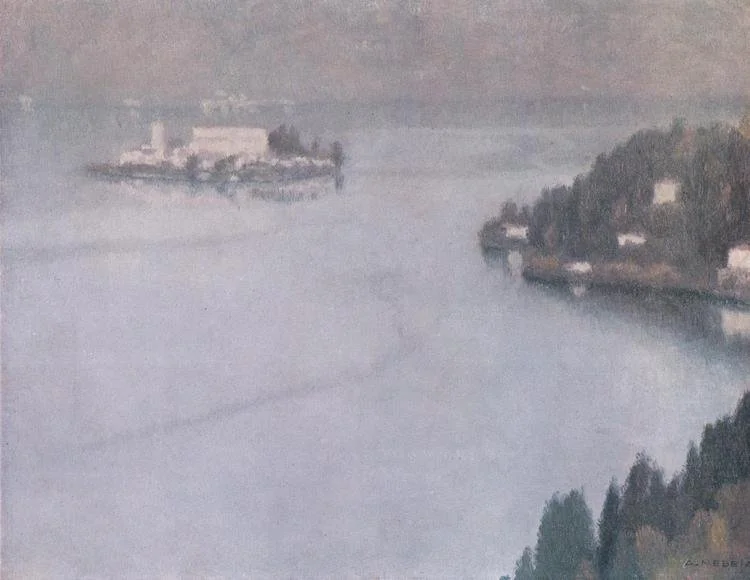
Lago d'Orta - 1948 - 35x45
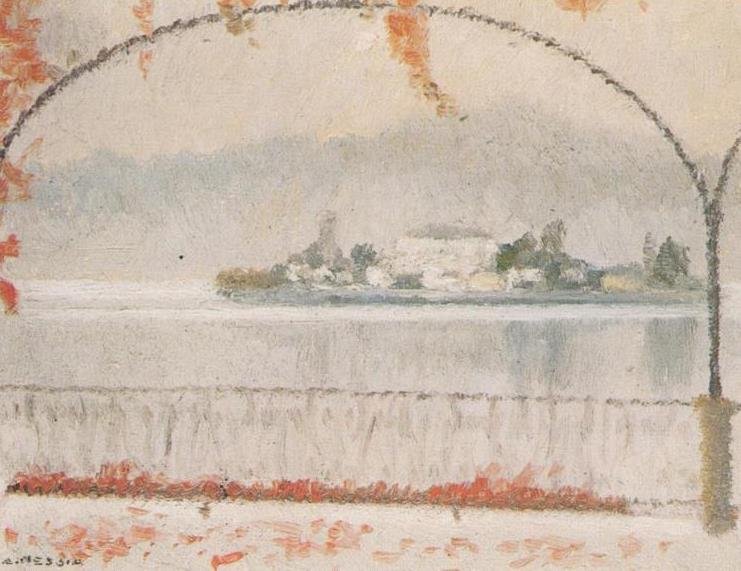
Autunno sul lago d'Orta - 1968 - 18x24
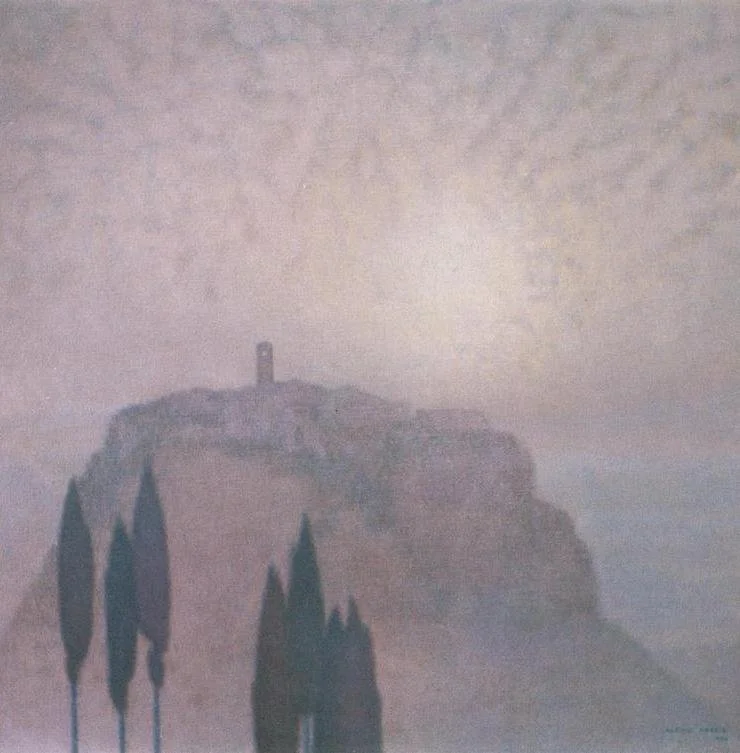
Mattina a Civita di Bagnoregio - 1974 - 70x70
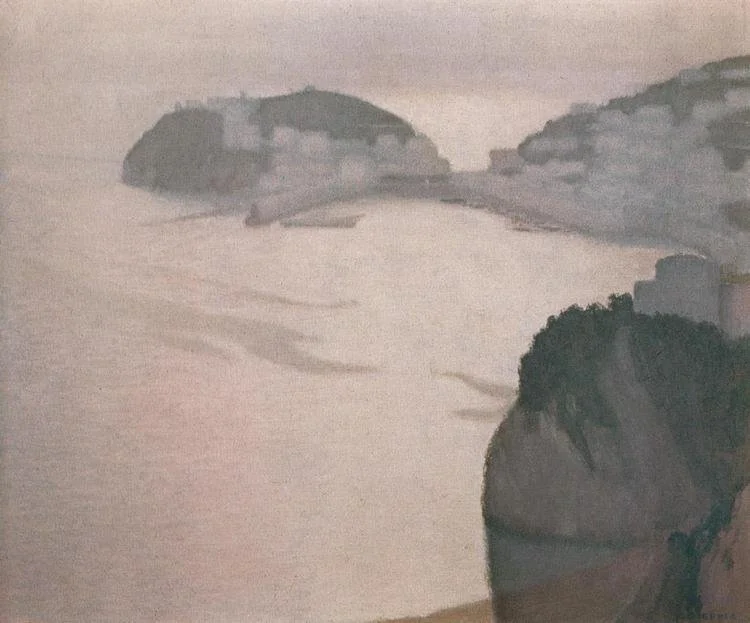
Mattina a Ponza - 1964 - 50x60
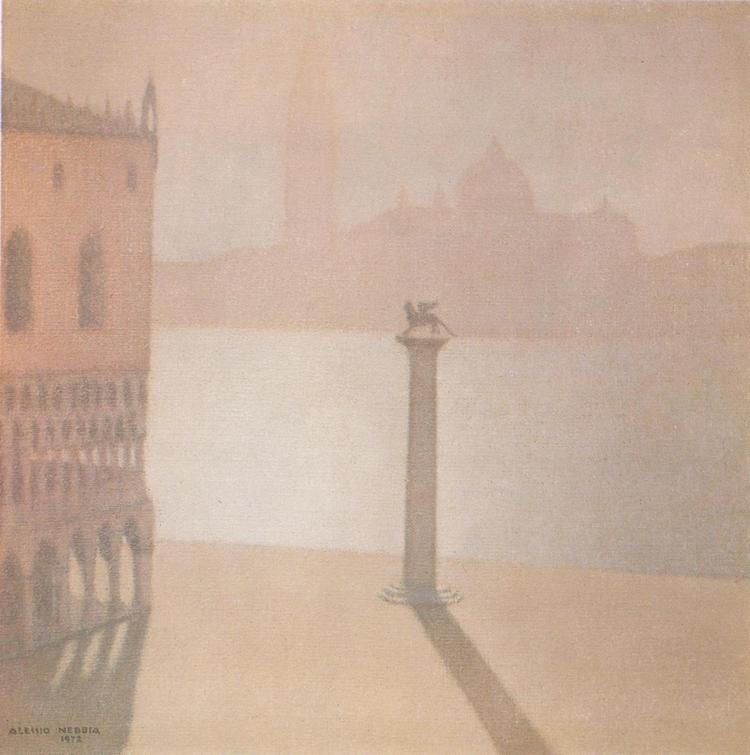
Mattino a Venezia - 1972 - 70x70
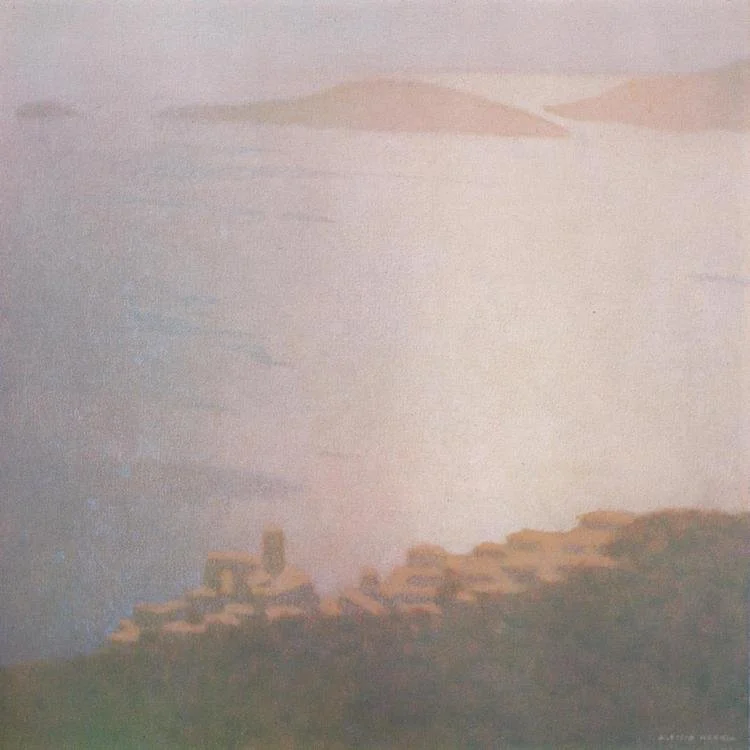
Meriggio a Tellaro - 1973 - 70x70
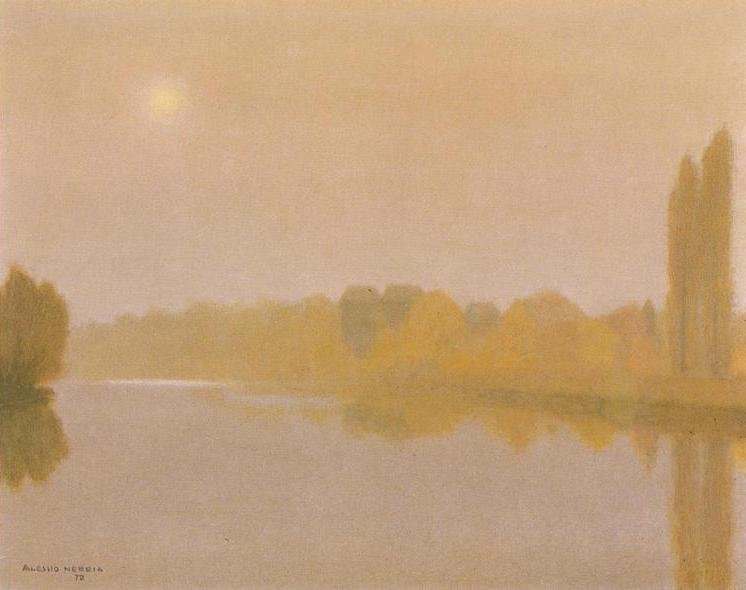
Novembre al Valentino - 1972 - 40x50
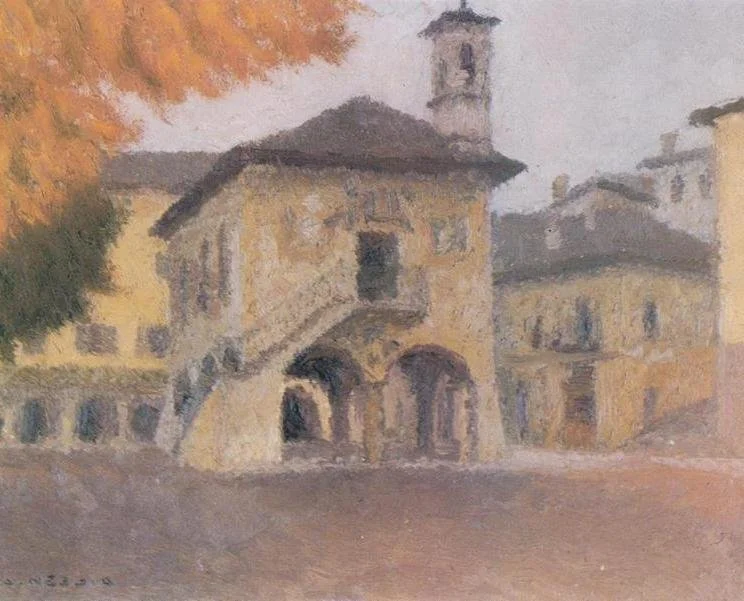
Orta - 1947 - 18x23
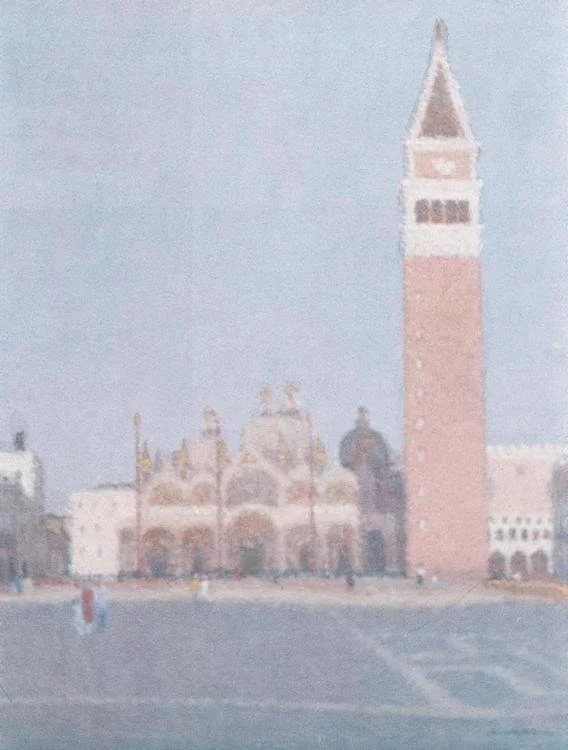
Piazza San Marco - 1946 - 45x35
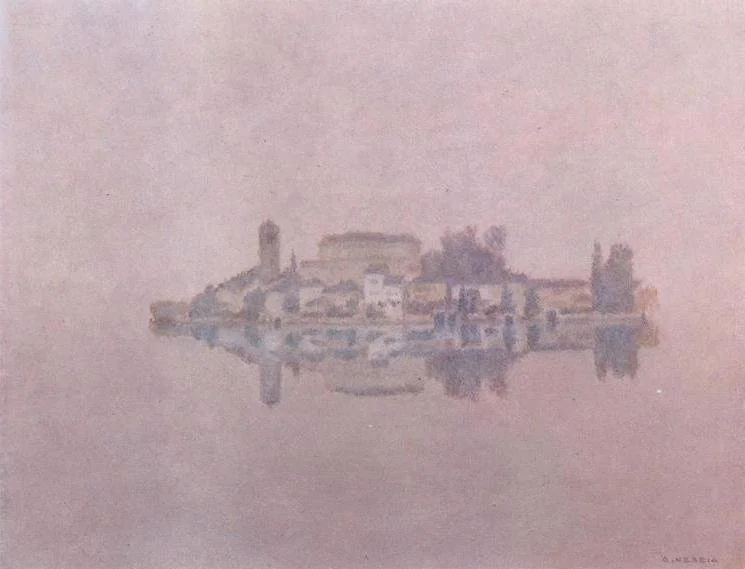
Pioggerella autunnale - 1947 - 50x40
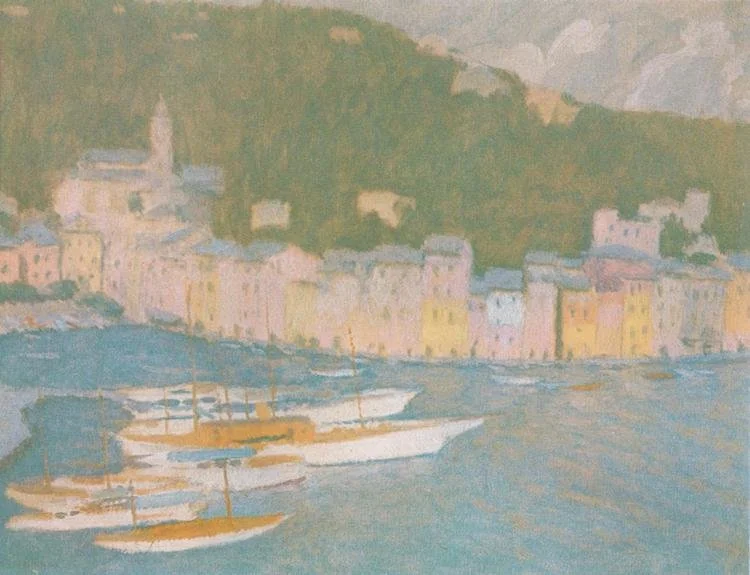
Portofino - 1954 - 35x45
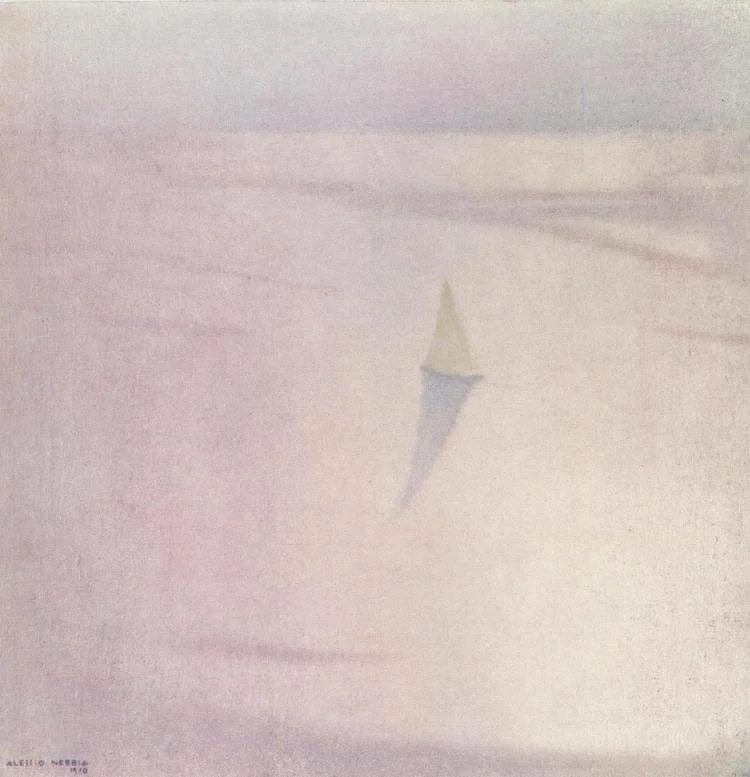
La farfalla del mare - 1970 - 70x70
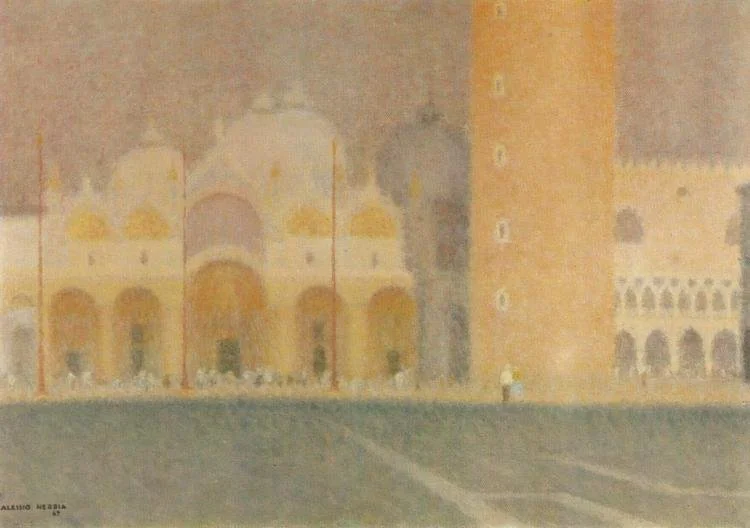
Venezia - 1969
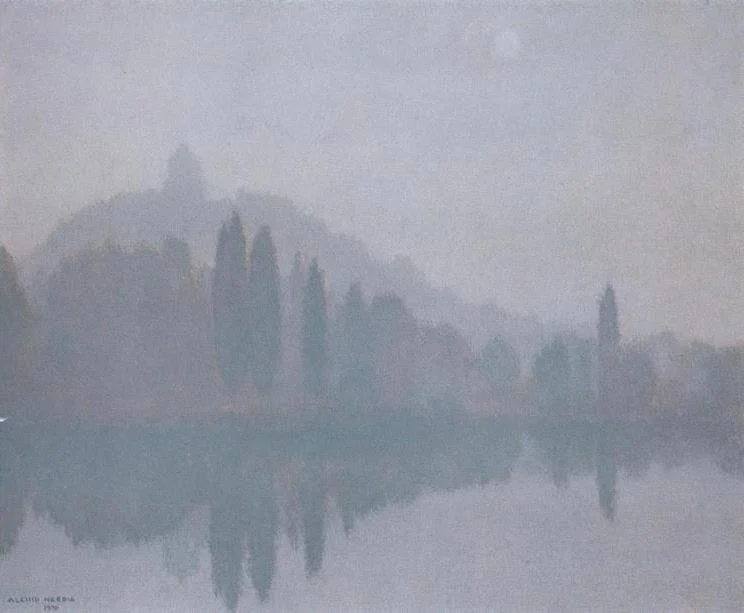
Monte dei Cappuccini - 1970 - 50x60
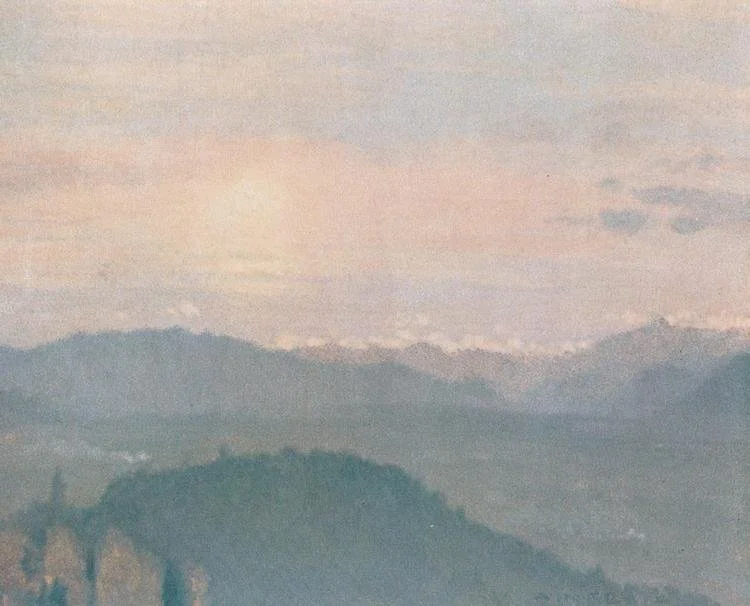
Tramonto a Cavoretto - 1950 - 19x23
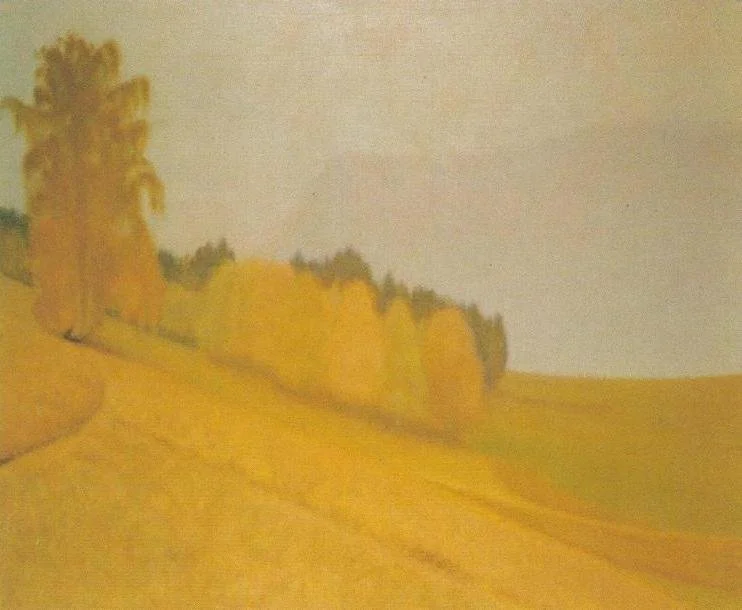
Betulle in autunno - 1962 - 70 x80
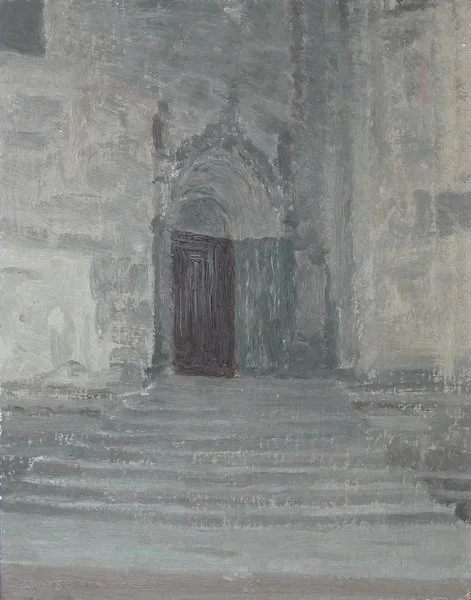
Il duomo di Bergamo - 1964 - 18x24
Controluce (Dolomiti) - 1969 - 40x40
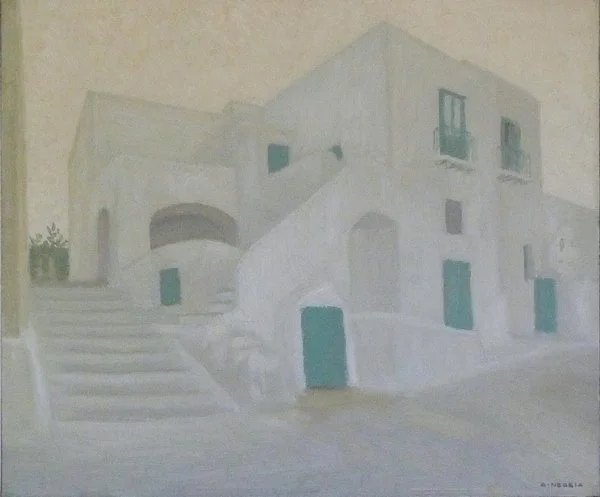
Casa a Ponza - 1964 - 50x60
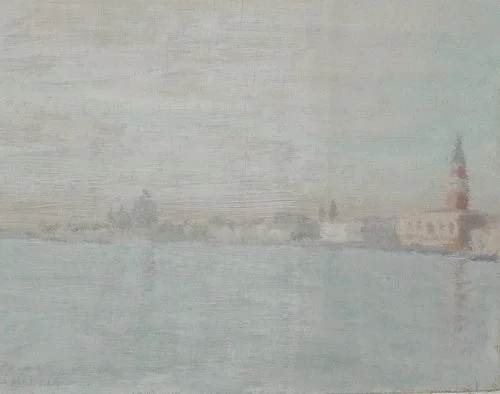
Canal Grande - 1946 - 18x24
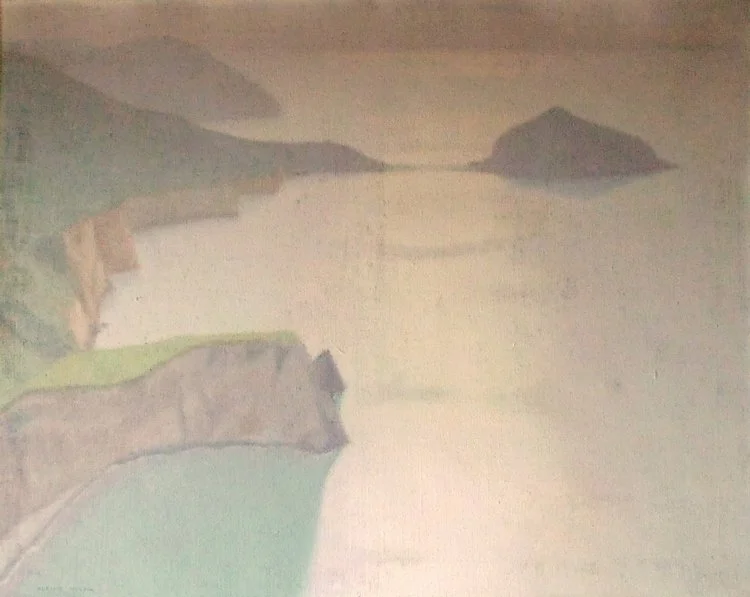
Controluce a Sant'Angelo - 1950 - 119x94
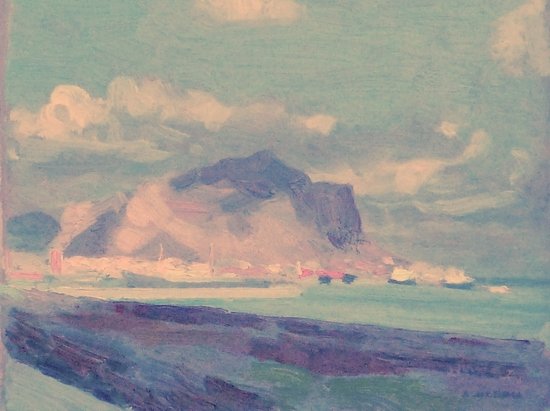
Palermo - 1963 - 18x24
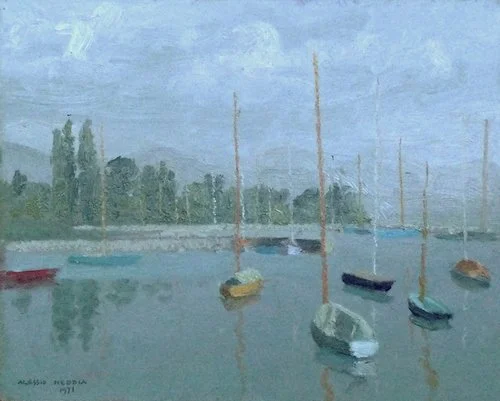
Barche - 1971 - 23x29
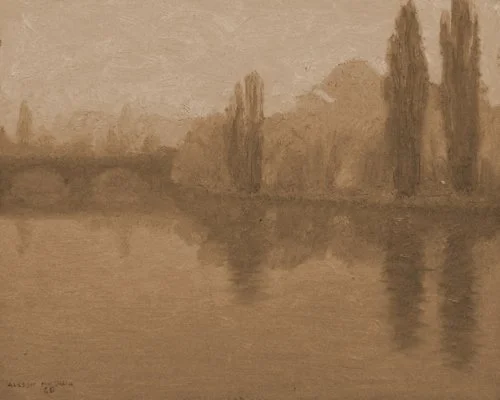
Il Po - 1960 - 23x29
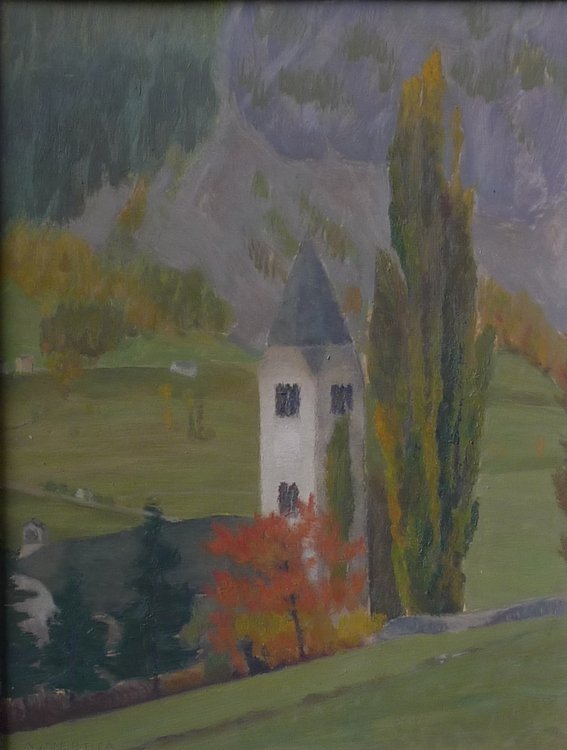
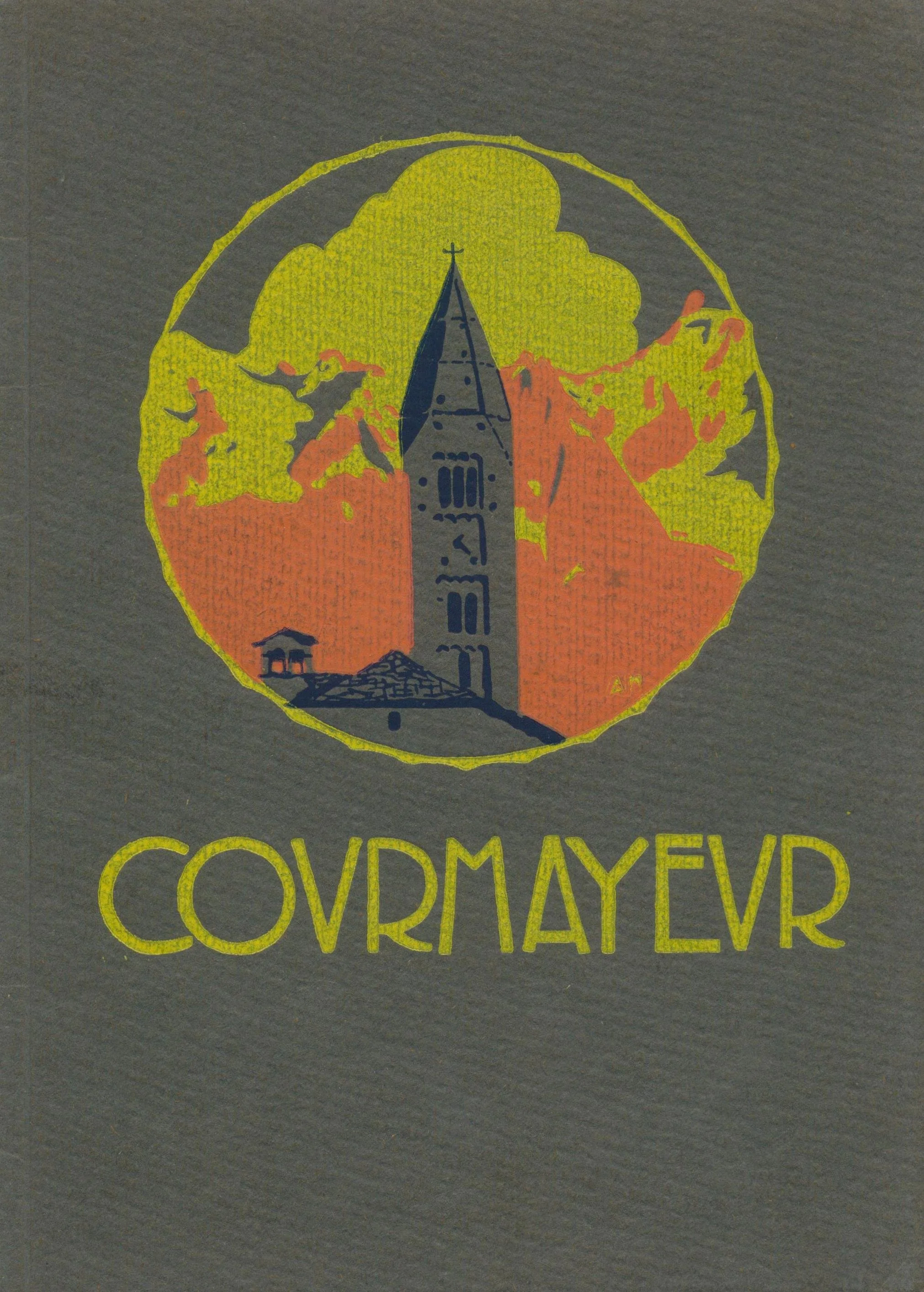
Il campanile di Courmayeur - anni '30 - 27 x 35
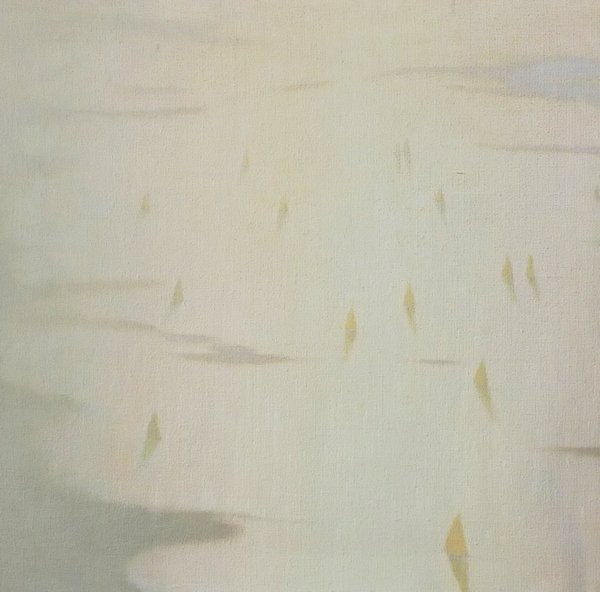
Ombre di vele - studio - 1972 - 70x70
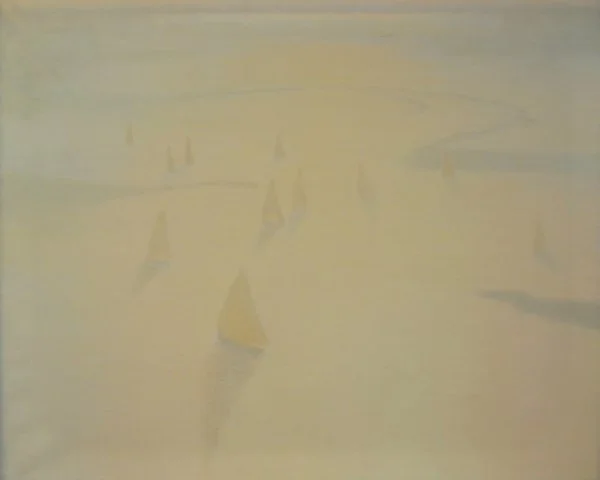
Ombre di vele 2 - studio - 1972 - 65x80
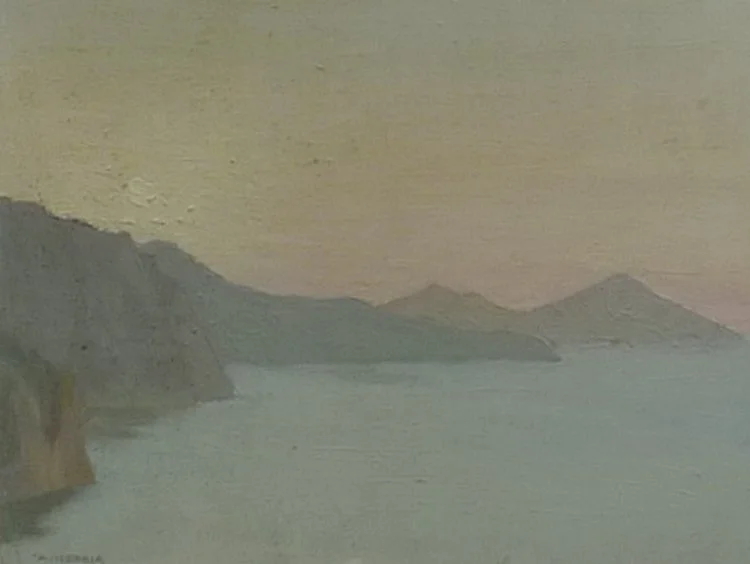
Capo Bianco (Elba) - 1960 - 24x29
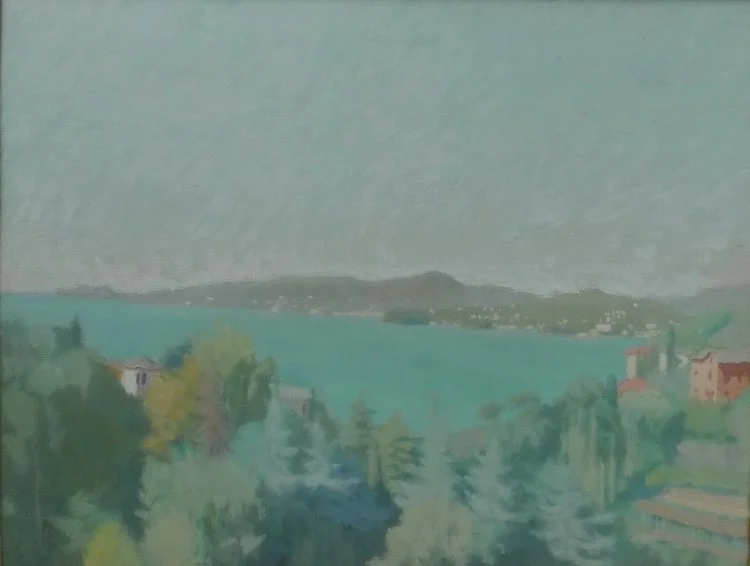
Il golfo di Rapallo -1960 - 33x44
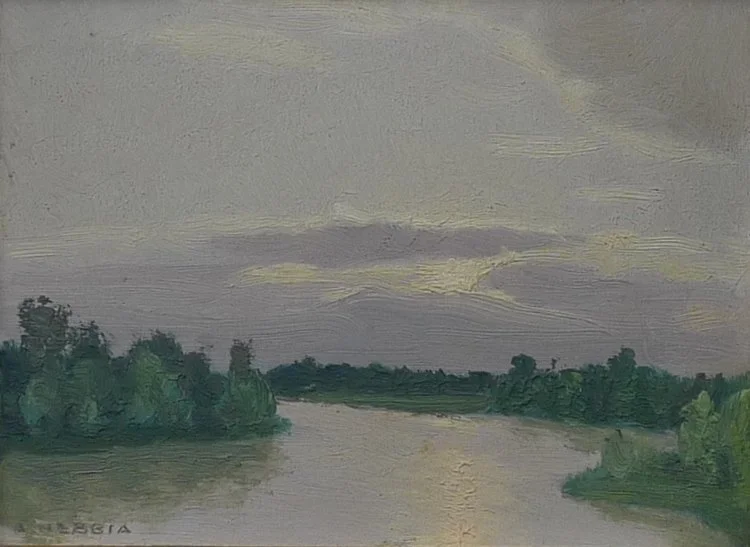
Il Tanaro - 11x16
Scultura Sculpture
Le sculture in bronzo sono state poche, limitandosi alla riproduzione del Dente del Gigante ed ai ritratti, a tutto tondo oppure in bassorilievo, di alcuni famigliari.
There were few bronze sculptures, limited to the reproduction of the Giant's Tooth and portraits, in the round or in bas-relief, of some family members.
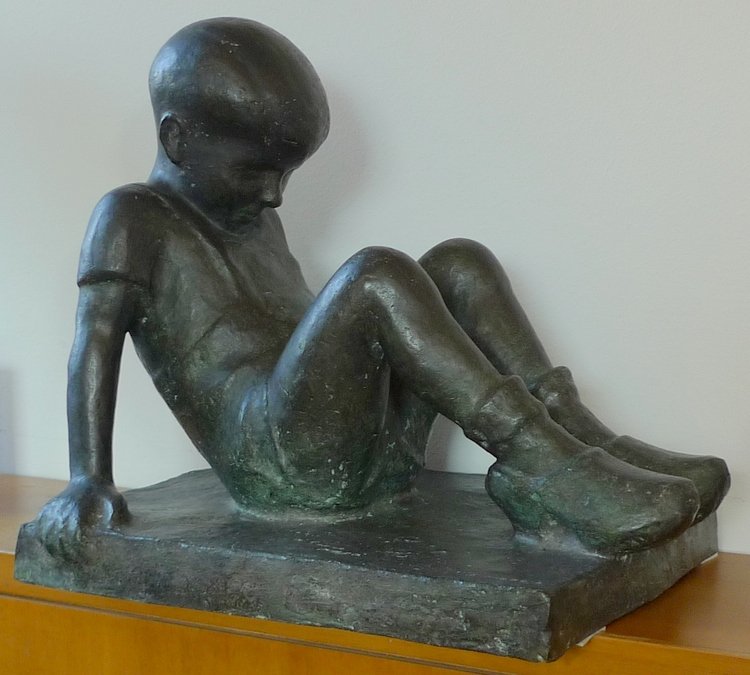
Bambino con i sabots
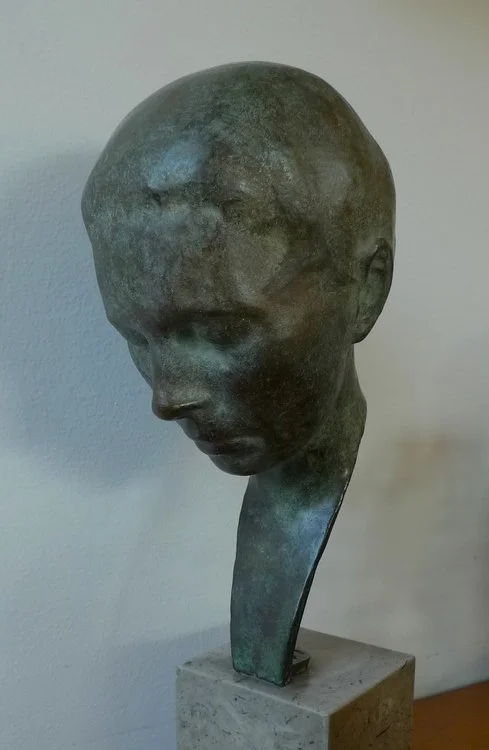
Ritratto
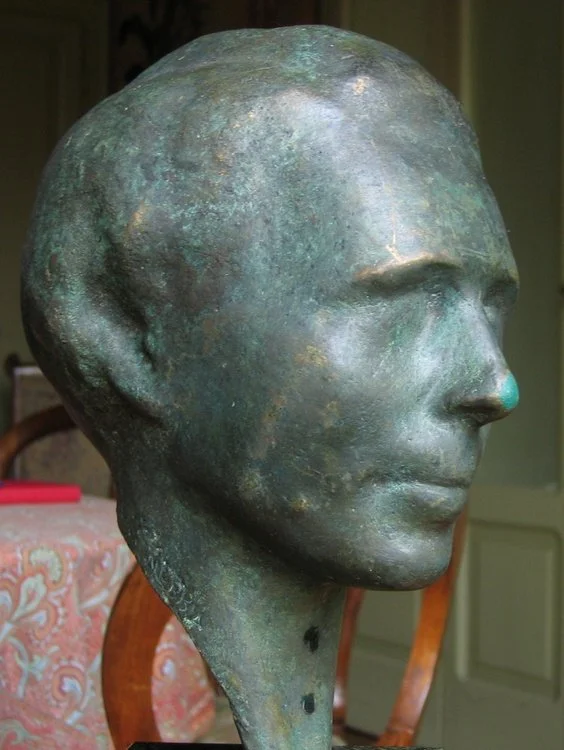
Ritratto
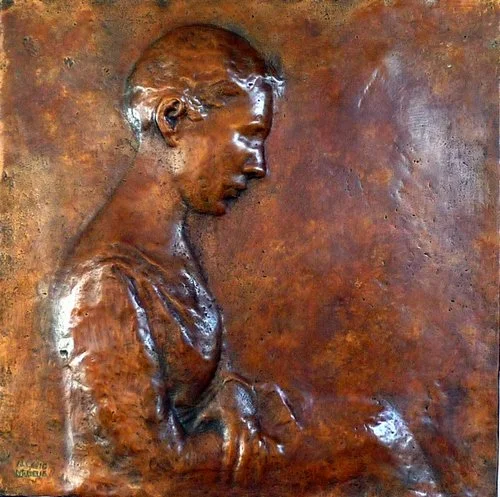
Bassorilievo
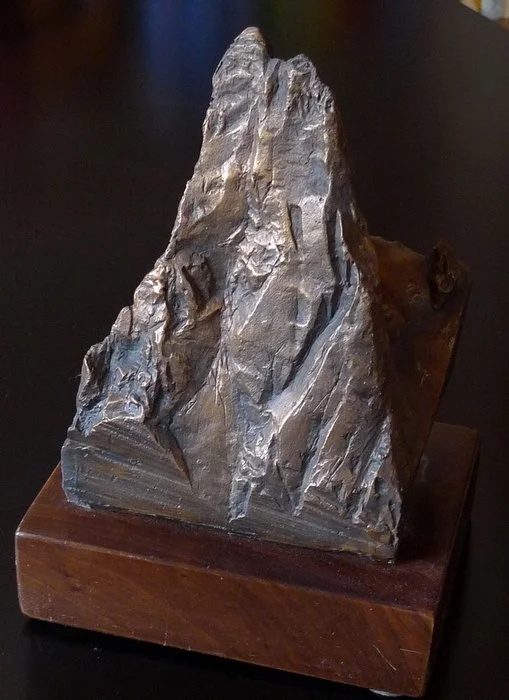
Dente del Gigante